Skip to content

Posture Correction in Forest Hills, Tennessee

Poor workstation setup can reinforce strain in Forest Hills. We assess your posture, movement habits, and daily demands to shape a care plan.

Upfront, Transparent PricingServing 18 CommunitiesMon-Fri: 9 am–7 pm, Sat: 9 am–2 pm, Sun: ClosedFast Scheduling

Quick Summary: posture care in Forest Hills, Tennessee

Posture Correction in Forest Hills is provided by Advanced Injury Care Clinic for people seeking better alignment, mobility, and comfort. Care includes an individualized evaluation, posture guidance, therapeutic exercises, and rehabilitation support across Hermitage and nearby Middle Tennessee communities.

  • What we do: Advanced Injury Care Clinic provides posture correction for Forest Hills, Tennessee, through evaluation, spinal adjustments, soft tissue therapy, exercises, and posture guidance.
  • What is included: Key capabilities include movement assessment, workstation setup guidance, therapeutic exercises, spinal adjustments, soft tissue therapy, and progress tracking.
  • What you get: The customer receives a personalized care plan that supports better alignment, movement, and daily comfort.

How long does it take to improve poor posture with workstation setup?

Workstation setup can support posture changes, but no fixed improvement period applies to every person. Exercise consistency, habit changes, muscle memory, and progress tracking all affect the process.

Posture Correction in Forest Hills and the daily habits behind it

Posture correction focuses on the patterns that shape how you sit, stand, walk, and work. A person with neck pain, back pain, headaches, or reduced mobility may need more than one type of care.

The key decision is whether daily habits are keeping symptoms active. Our team reviews movement, posture, muscle use, and the demands of your routine before setting a personalized care plan.

This service has limits. It isn't a substitute for urgent medical care when severe symptoms or serious injury concerns need another level of evaluation. We explain what chiropractic care fits and what needs referral when the assessment points elsewhere.

  • Review your sitting, standing, driving, and work habits.
  • Check movement patterns linked with neck pain or back pain.
  • Discuss exercise consistency and habit changes.
  • Set practical ways to track progress between visits.
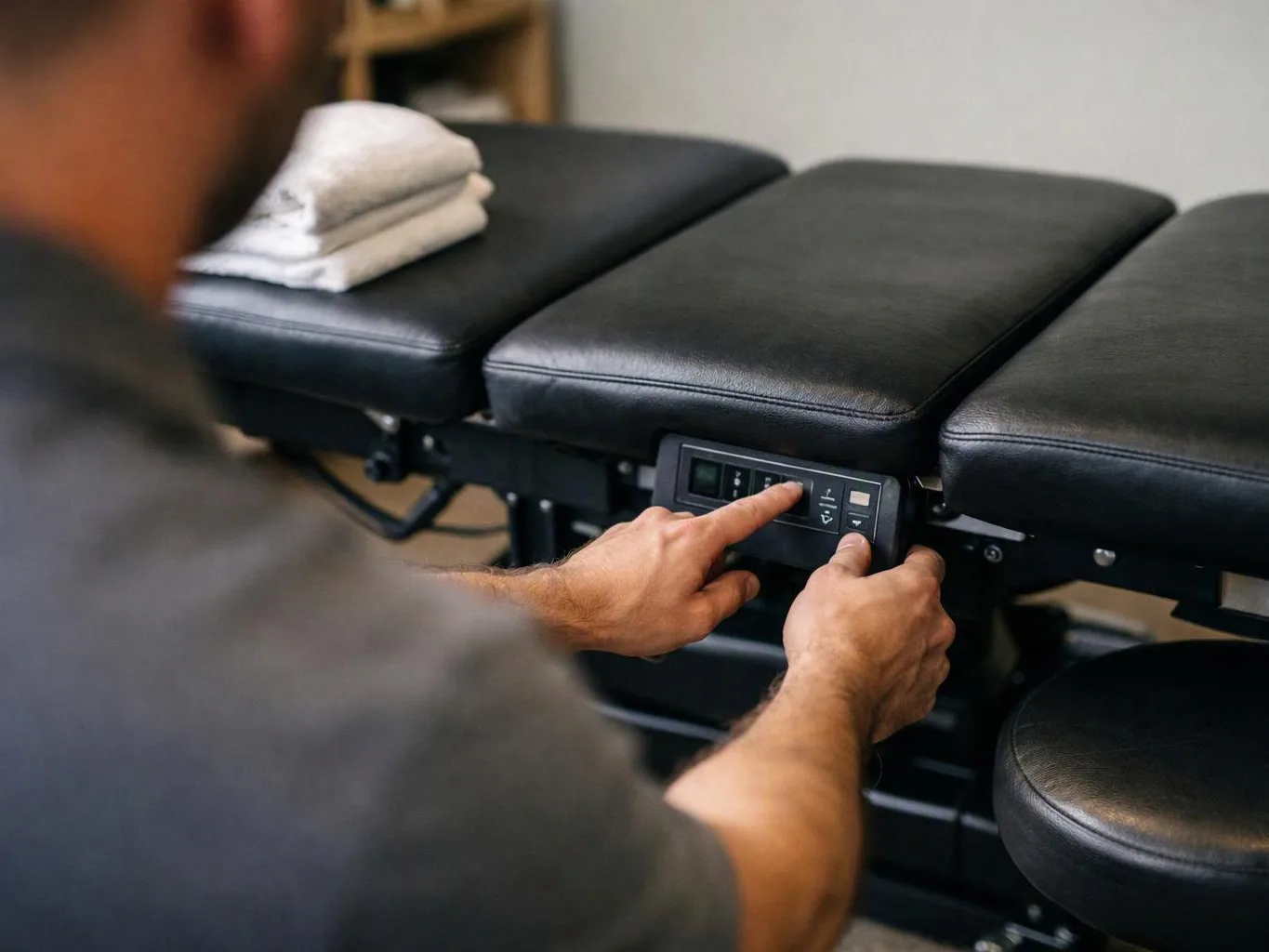
A person adjusts the controls on a black padded treatment table in a quiet room

Service Overview

Posture correction is a care process that addresses alignment, movement habits, and muscle control during daily activities.

  • Posture guidance differs from a single adjustment because it also examines exercises, habits, and the way you use your body.
  • Advanced Injury Care Clinic provides this care for Forest Hills and nearby Middle Tennessee communities.

What posture care includes for your daily routine

Advanced Injury Care Clinic provides comprehensive Posture Correction in Forest Hills. Here's what you get:

  • An individualized evaluation reviews your health history, posture, movement, and symptoms.
  • Posture guidance addresses how you sit, stand, lift, and use a desk.
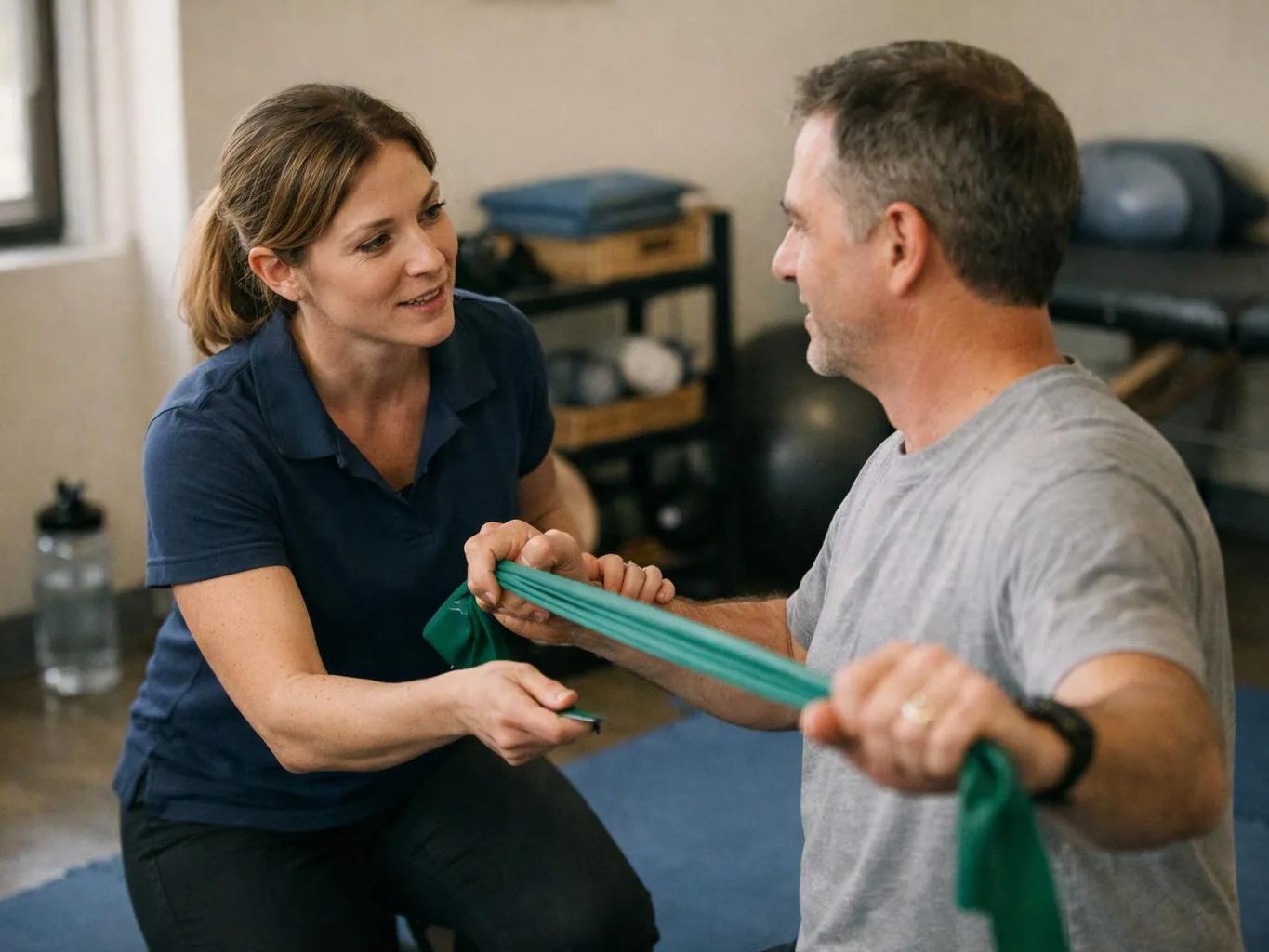
  • Therapeutic exercises support muscle control and better movement patterns.
  • Spinal adjustments may address joint motion when they fit your assessment.
  • Soft tissue therapy may address muscle tension linked with poor movement habits.
  • Rehabilitation support helps connect in-clinic care with daily self-care.

What changes when daily posture habits improve

Better posture can support easier movement during work and everyday tasks.

A clear plan helps you connect exercise consistency with your care goals.

Posture guidance gives you practical steps for sitting, standing, and lifting.

Progress tracking shows which habits support comfort and which need adjustment.

Regular maintenance may help you keep useful movement habits after active care.

What to consider before choosing posture care

Start with an individualized evaluation

The first visit helps us link posture, movement, and symptoms before care begins. A single adjustment is not the right job when the main issue involves daily habits and muscle control.

Use evidence-informed treatment planning

Our care plans may combine spinal adjustments, soft tissue therapy, exercises, posture guidance, and rehabilitation support. We explain why each part fits your findings.

Track habits between visits

Progress tracking gives you a way to notice changes in movement and comfort. Your plan can be adjusted as your response and daily needs become clearer.

Review care with a licensed chiropractor

Licensed chiropractor credentials are prominently displayed, and our team explains the diagnosis and care plan in plain language.

When this service is the right fit

A Forest Hills office worker may notice neck tension after long desk sessions, yet the desk alone may not explain the pattern. We check posture, movement, muscle use, and symptom triggers, then connect care with exercise consistency and daily habit changes.

Process

How posture care moves from assessment to follow-up

1

Review your health history

We begin with a new patient intake and discuss symptoms, injuries, daily activities, and your self-care goals.

2

Assess posture and movement

Our team examines alignment, joint motion, muscle use, and movements that bring on discomfort. X-rays are considered if clinically indicated.

3

Explain the findings

We provide a clear report of findings and explain which habits, movements, or treatment methods relate to your concerns.

4

Build your care plan

Your personalized treatment plan may include spinal adjustments, soft tissue therapy, therapeutic exercises, posture guidance, and rehabilitation support.

5

Review progress and habits

Progress re-examination helps us review movement, comfort, exercise consistency, and the habits that affect your day.

Posture care choices for different daily needs

This table compares common care focuses that may appear in a posture plan.

Care focusWhat we assessWhat it may include
Work habitsSitting, screen position, desk use, and repeated strainPosture guidance and workstation setup changes
Movement controlJoint motion, muscle use, and exercise consistencyTherapeutic exercises and progress tracking
Injury recoveryInjury history, pain patterns, and guarded movementAdjustments, soft tissue therapy, and rehabilitation support

The Advanced Injury Care Clinic Standard

  • Assess Patient Condition
  • Tailored Care Plans
  • Clear Treatment Explanations
  • Monitor Patient Progress

Questions customers ask about posture care

How long does it take to improve poor posture?

Workstation setup supports posture improvement, but no fixed period applies to every person. Exercise consistency, habit changes, muscle memory, and progress tracking affect the pace. Our evaluation identifies the patterns that need attention, and follow-up reviews show how your body responds. Results vary, so we focus on measurable changes in movement and daily comfort.

What does the first posture evaluation include?

The first evaluation includes a health history, symptom review, movement assessment, and discussion of your daily habits. We check posture, joint motion, and muscle use before explaining our findings. X-rays are considered if clinically indicated. You receive a clear care explanation and a plan that fits the issues found.

Which part of the workstation decides the posture care scope?

The screen, chair, keyboard, and desk position can each affect posture care decisions. Our assessment looks at how those parts shape your head, shoulder, spine, and arm position. We then explain which changes support your care plan. The goal is to connect the setup with the movement pattern we observe.

Which habit changes support better posture?

Habit changes that reduce repeated strain often support posture work. Sitting position, standing patterns, lifting habits, exercise consistency, and rest positions all matter. We discuss the habits linked with your symptoms, then give posture guidance that fits your routine. A plan works best when you can use it during normal daily tasks.

How does posture care move from the first call to the last step?

The care process moves from consultation to evaluation, findings, treatment planning, and progress review. The first visit covers your history, symptoms, movement, and goals. We then explain suitable options, which may include adjustments, soft tissue therapy, exercises, or rehabilitation support. Follow-up checks help guide the next step.

What changes the time needed for posture improvement?

Exercise consistency and daily habit changes often affect how quickly posture work feels different. Muscle control, injury history, symptom severity, and your response to care also shape the plan. We review these factors during assessment and progress checks. No fixed timeline can describe every person’s response.

Can posture care address neck pain after an injury?

Posture care may address neck pain after an injury when the evaluation supports chiropractic treatment. We review the injury history, movement, joint motion, and muscle tension first. Care may include soft tissue therapy, spinal adjustments, exercises, or rehabilitation support. Severe or unusual symptoms may require another medical evaluation.

Contact

Discuss posture correction in Forest Hills

Contact Advanced Injury Care Clinic to discuss your posture concerns, daily habits, and care goals. The first conversation helps identify the right assessment and next step.

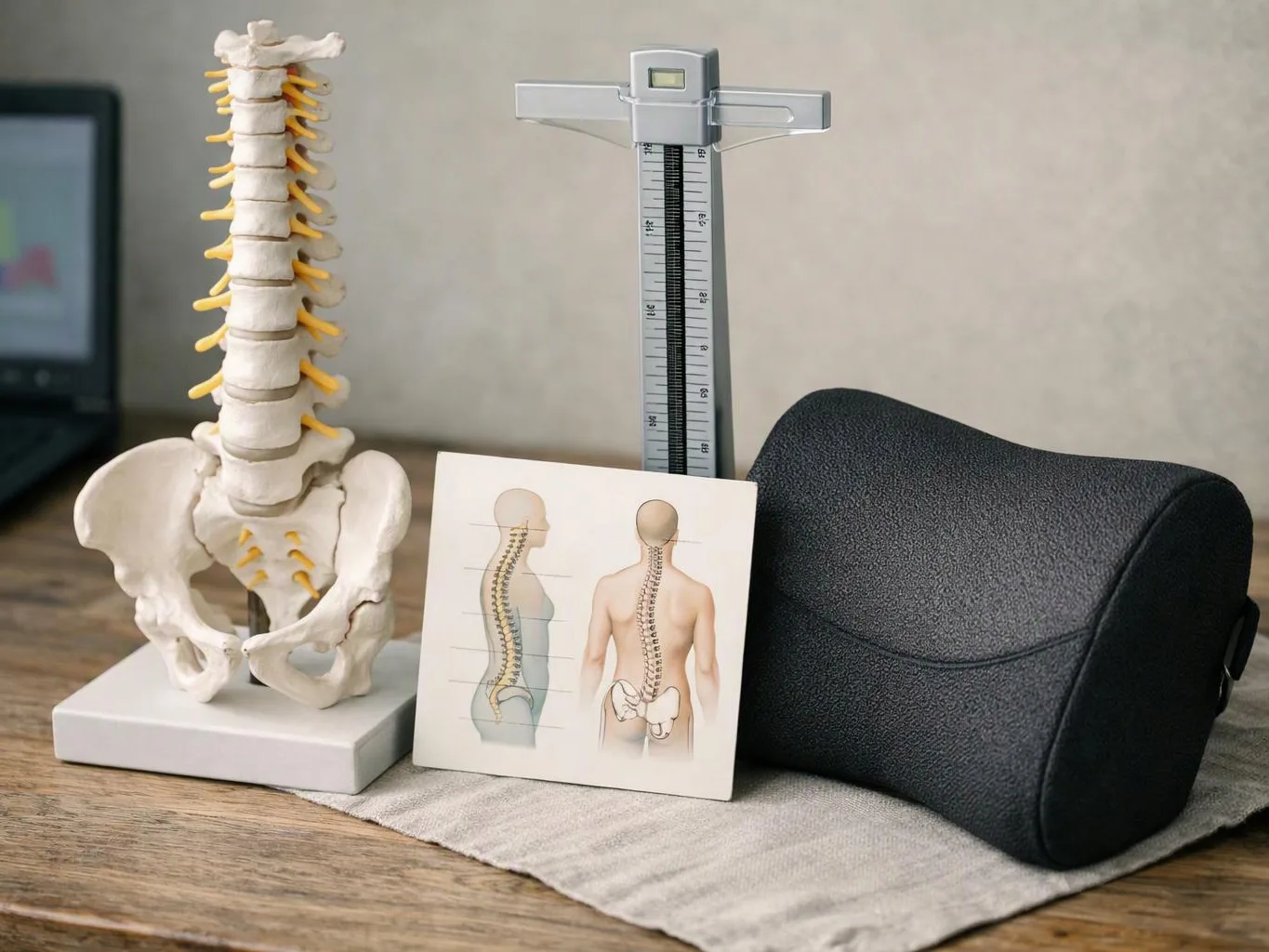
A spine model, height gauge, posture chart, and black cushion sit on a wooden table

The health and wellness information on this website is for general informational purposes only and is not medical advice. It does not create a provider-patient relationship. Always consult a qualified licensed provider in Hermitage, Tennessee, United States about your specific condition before making care decisions. Individual results vary.

(615) 265-0412