Understanding Adjustment
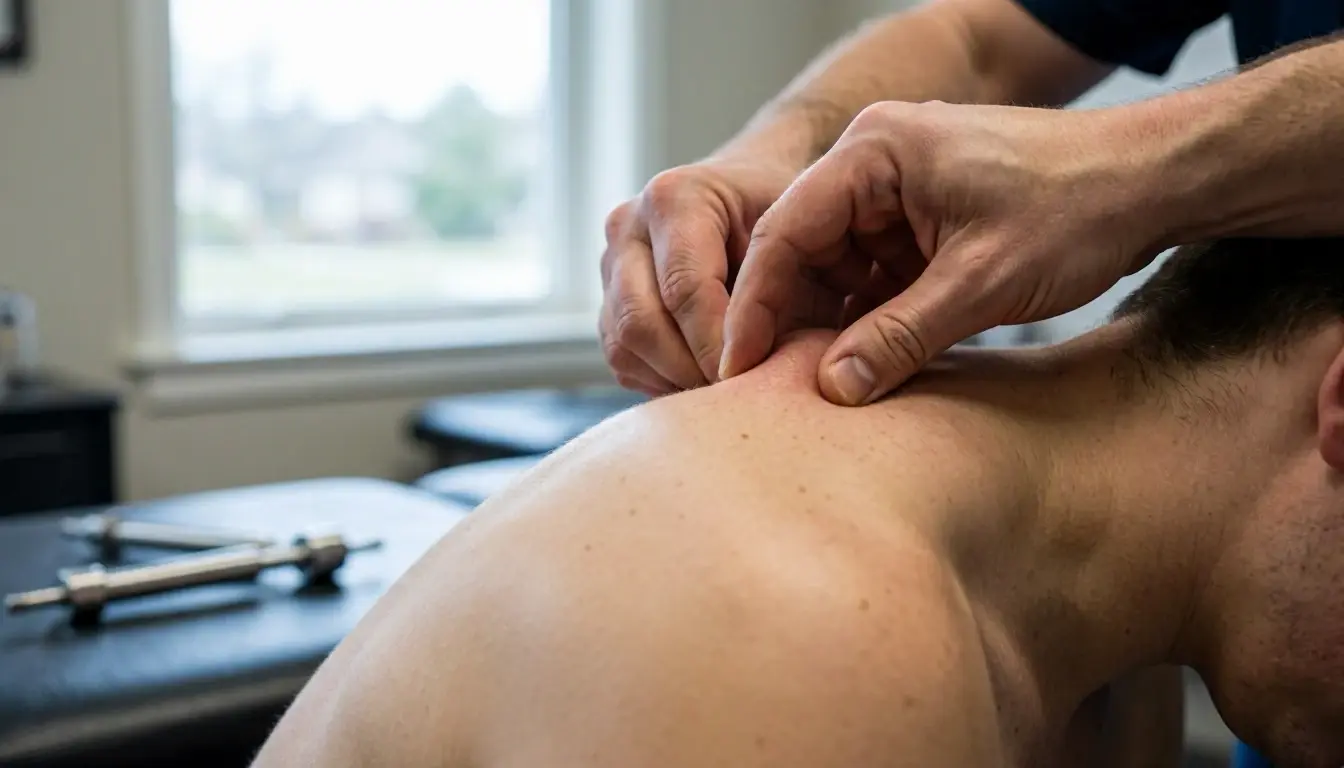
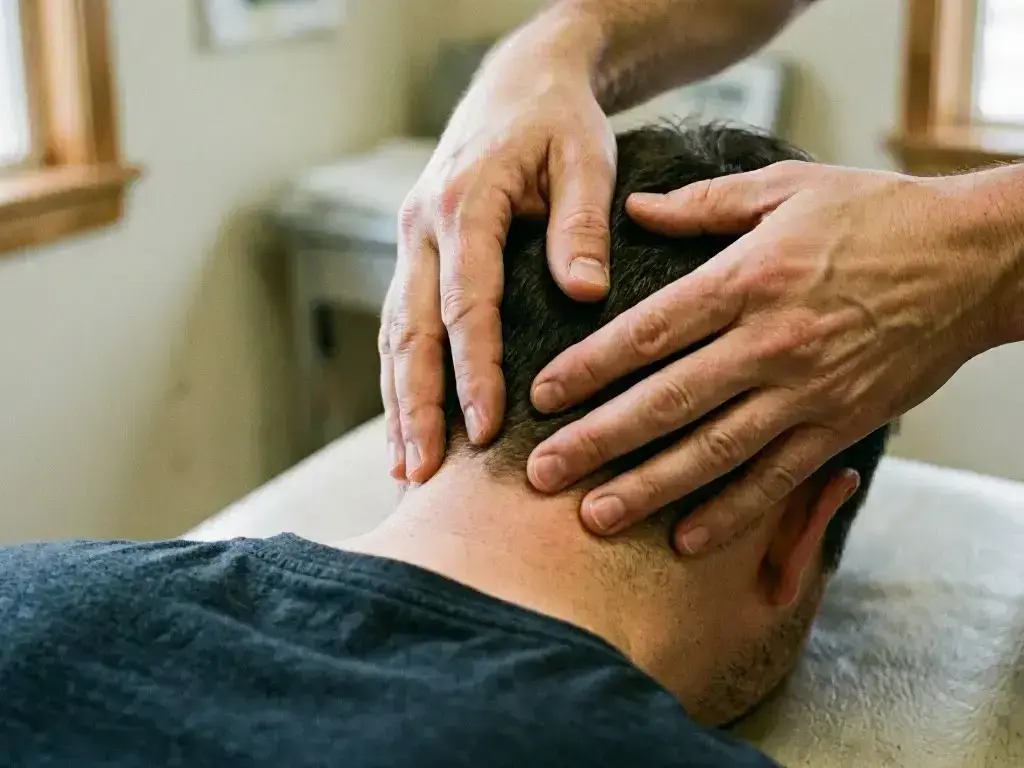
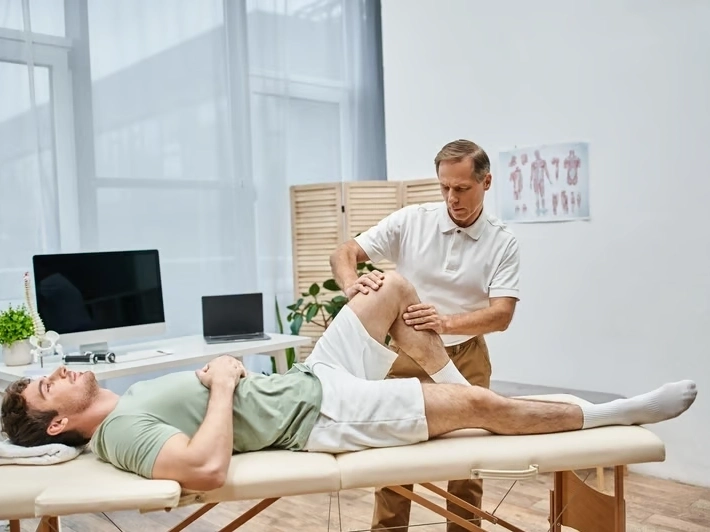
An adjustment is a quick move. Chiropractors use it to fix stiff joints. It helps your spine or other body parts.
Related glossary terms: Chiropractic Adjustment, Spinal Manipulation, Gonstead Technique.
Joints can get stiff. This happens from injury, bad posture. Or too much stress. Stiff joints can hurt. They can also make your nerves work poorly.
Adjustments add a quick, gentle push. This helps joints move right again. It also cuts down on pain.
Don't mix this up with cracking your own joints. Chiropractors know exactly where to push. They use the right amount of force for you.
The push is safe for your age, size. And health. Some adjustments make a popping sound. That sound is just gas leaving the joint.
The sound doesn't mean the fix worked. Many people feel better right away. Some may feel a little sore. That goes away in a day.
How Adjustment Works?
Adjustments help joints move right. They fix joints that are stuck or crooked. This can stop pain and help you move better.
Bad joints can bother nerves and muscles. That causes pain. It can also make your body work poorly.
The adjustment gives a quick, safe push. This helps the joint line up right. It also helps it move better.
This can take pressure off nerves. It can relax tight muscles. It can also help your body heal.
Chiropractors use different ways to adjust. Some use their hands. Others use tools or special tables.
One way is the Gonstead method. It fixes one bone at a time. Another way is the Thompson Drop Technique.
That method uses a table that drops a little. The choice depends on you and your chiropractor.
No matter the way, the goal is the same. Adjustments help joints work right. They also help your body heal.
Why Adjustment Matters?

Adjustments fix the real problem. They don't just hide pain with pills. Good joint movement helps your whole body.
This can cut pain. It can help you move better. It can also make you healthier.
Adjustments help with back pain, neck pain. And headaches. They also help with stiff joints. These problems often come from bad joints.
Adjustments also help your nerves. Your spine protects your spinal cord. That cord is part of your nerves.
Bad joints can press on nerves. That can mess up signals to your body. Adjustments help nerves send good signals.
That's why people get adjustments. They help with pain. They also help keep you healthy.
When Adjustment Matters Most?
Adjustments help with pain. They help if you can't move well. They also help with joint problems.
They help after car crashes or sports injuries. They help after falls too. These can knock joints out of place.
They also help with long-term problems. These include sciatica, bad discs. Or arthritis. Adjustments can ease pain from these.
They can also help with headaches. They help with bad posture too. They help with injuries from doing the same task over and over.
In Hermitage, TN, adjustments can help. They help with sports injuries. They help with jobs that need hard work.
They also help after car crashes. Adjustments can help you heal faster. They can cut down on long-term pain.
Some people get adjustments to stay healthy. This is good for active people. It's also good for those with tough jobs.