Understanding Atlas orthogonal technique
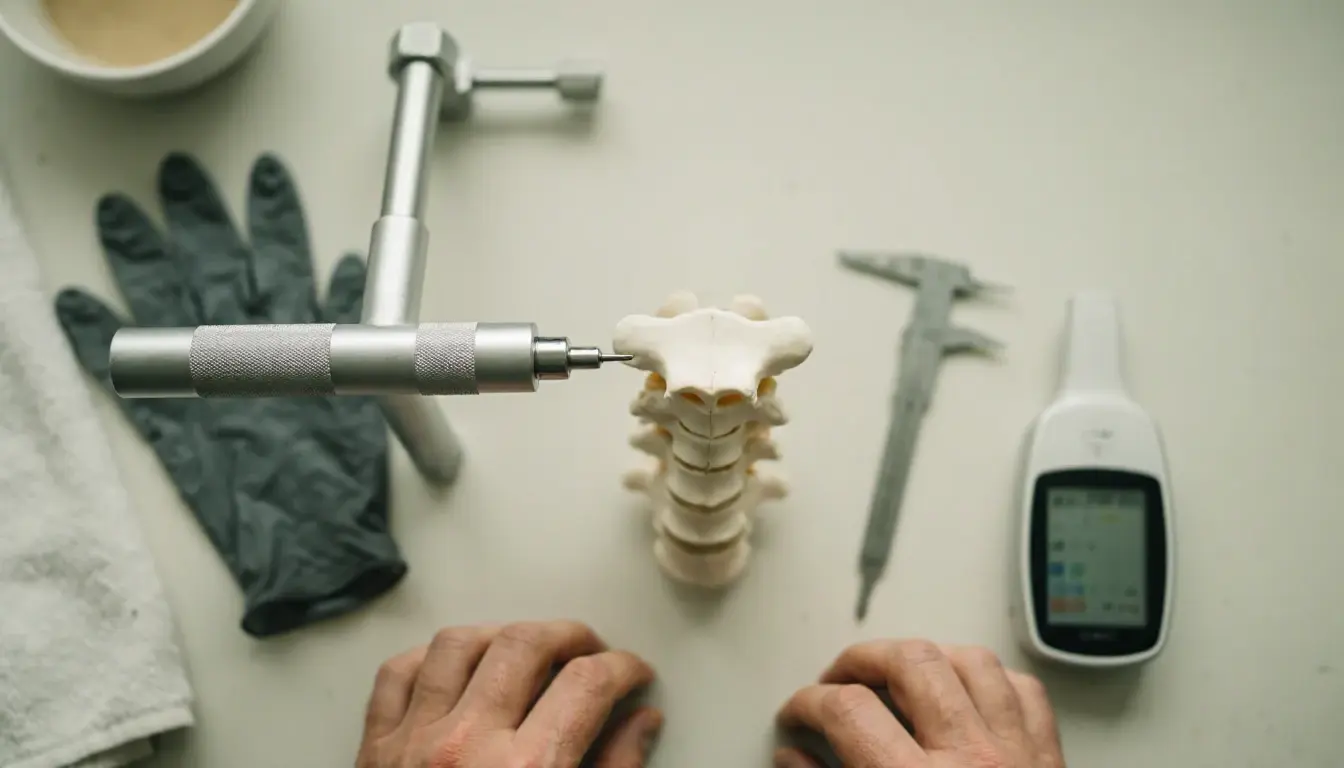
The Atlas orthogonal technique is a specialized form of chiropractic care designed to address misalignments in the atlas, the first vertebra in the cervical spine. The atlas plays a critical role in supporting the skull and facilitating movement. And even minor misalignments can lead to discomfort, restricted mobility. Or nerve interference. Unlike traditional chiropractic adjustments that may involve manual manipulation, this technique uses a calibrated instrument to deliver a precise, controlled force to the atlas. This approach is particularly appealing to patients who prefer a gentler method or have concerns about more forceful adjustments.
Related glossary terms: Cervical spine, Chiropractic adjustment, Subluxation.
Developed to provide a non-invasive alternative, the Atlas orthogonal technique emphasizes accuracy and patient comfort. Practitioners often use X-rays or other imaging tools to assess the exact position of the atlas before performing the adjustment. This detailed analysis helps ensure the adjustment is custom to the individual’s unique spinal structure. While the technique is primarily associated with the atlas, its effects can extend to the entire spine and nervous system, potentially improving overall body function.
How Atlas orthogonal technique Works?
The Atlas orthogonal technique relies on a combination of diagnostic imaging and a specialized adjusting instrument. Before the adjustment, the chiropractor typically takes precise measurements, often using X-rays, to determine the exact angle and position of the atlas. This step is crucial because the atlas can misalign in multiple directions. And the adjustment must be custom to correct the specific misalignment. The instrument used in this technique is designed to deliver a quick, low-force impulse to the atlas, gently nudging it back into its proper position without the need for manual thrusts or twisting motions.
The adjustment itself is often described as painless and takes only a few seconds. Patients may feel a slight pressure or hear a soft click. But the process is generally much gentler than traditional spinal manipulations. Because the technique is so precise, it can be repeated with minimal risk of over-adjustment. Many patients report immediate relief from symptoms such as headaches, neck stiffness. Or dizziness. Though some may require multiple sessions to achieve lasting results. The goal is not just to relieve symptoms but to restore proper spinal alignment, which can have broader effects on posture, nerve function. And overall well-being.
Why Atlas orthogonal technique Matters?

The Atlas orthogonal technique matters because it offers a targeted solution for patients who may not respond to or tolerate traditional chiropractic methods. Misalignments in the atlas can contribute to a wide range of issues, including chronic headaches, neck pain, vertigo. And even postural imbalances that affect the entire spine. By correcting these misalignments, the technique aims to reduce nerve interference, improve blood flow. And restore proper communication between the brain and the rest of the body. This can lead to not only symptom relief but also improved overall function and quality of life.
For patients who are hesitant about manual adjustments due to fear of pain or injury, the Atlas orthogonal technique provides a reassuring alternative. Its gentle, instrument-based approach makes it suitable for individuals of all ages, including children, seniors. And those with conditions like osteoporosis or arthritis. And because the technique is so precise, it can be particularly effective for patients with complex spinal issues or those who have not found relief with other forms of chiropractic care. The focus on the atlas also makes it a valuable tool for addressing whiplash injuries, sports-related trauma. And other conditions that specifically affect the upper cervical spine.
When Atlas orthogonal technique Matters Most?
The Atlas orthogonal technique is most beneficial in situations where precise, gentle adjustments are needed to address specific spinal misalignments. It's often recommended for patients experiencing chronic neck pain, frequent headaches. Or symptoms related to whiplash or other trauma to the cervical spine. Individuals who have tried traditional chiropractic adjustments without success or who are uncomfortable with manual manipulation may also find this technique to be a better fit. And the technique is commonly used for patients with conditions that require a more cautious approach, such as those with degenerative disc disease, spinal instability. Or a history of spinal surgery.
Beyond pain relief, the Atlas orthogonal technique can be valuable for improving posture and addressing issues related to nerve interference. For example, patients with vertigo, tinnitus. Or balance problems may benefit from adjustments that restore proper alignment to the atlas, which is closely connected to the inner ear and nervous system. Athletes or individuals with active lifestyles may also use this technique to maintain spinal health and prevent injuries. Because the technique is so precise, it can be integrated into broader chiropractic care plans, complementing other treatments like soft tissue therapy or rehabilitative exercises.