Glossary

What is Subluxation?

Subluxation is a partial dislocation of a joint in the spine or other part of the body, where the bones are misaligned but still in contact with each other. Chiropractors identify subluxations as areas where movement is restricted or nerves may be irritated, potentially causing pain, reduced mobility.

Reviewed by ChiropractorHermitage.link

Quick Facts About Subluxation

Category

Musculoskeletal condition

Used for

Diagnosing joint dysfunction

Common confusion

Often mistaken for a full dislocation

Also called

Vertebral subluxation, Joint subluxation

Often discussed with

Neck Pain Treatment, Back Pain Treatment

Key Takeaways About Subluxation

Understanding Subluxation
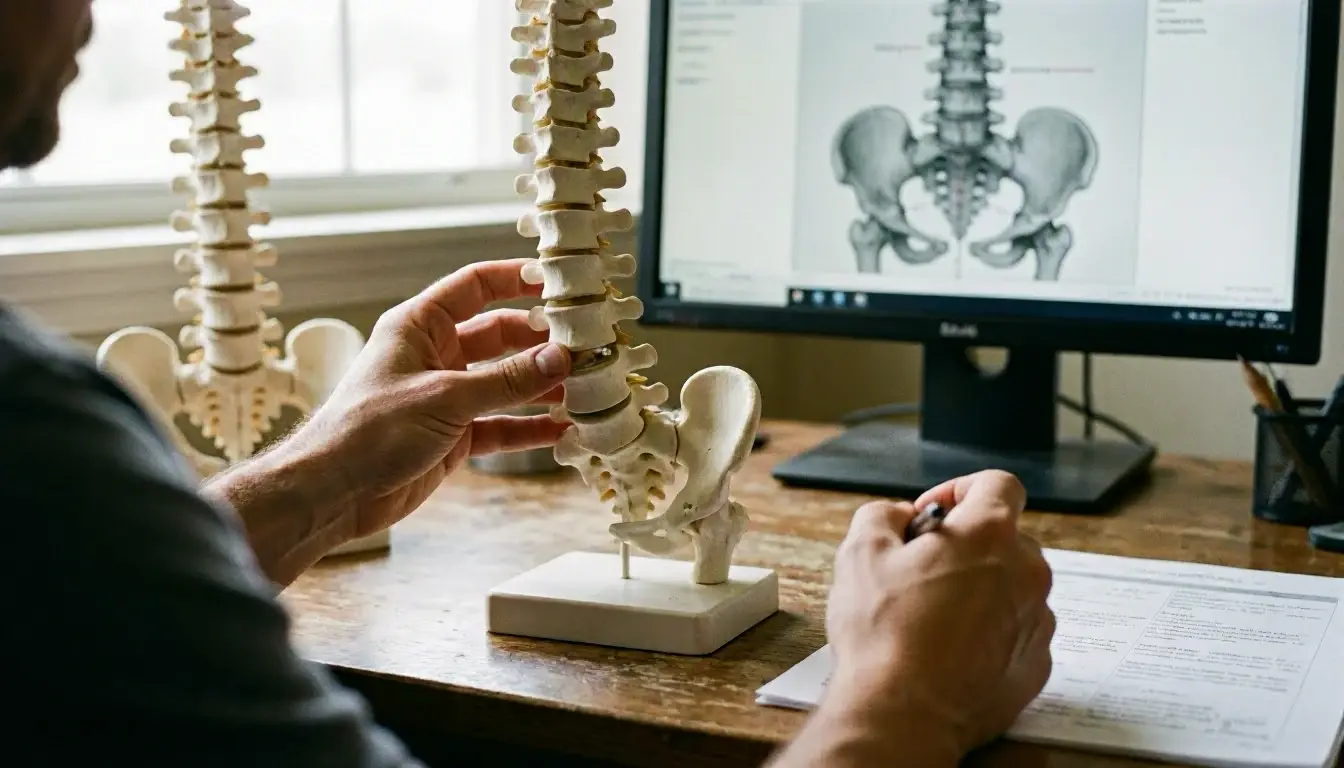
Subluxation in Chiropractor: Subluxation is a partial dislocation of a joint in the spine or—visual guide

A subluxation is when a joint isn't in the right place. It's still partly connected, though. This often happens in the spine.

Related glossary terms: Chiropractic adjustment, Cervical spine, Lumbar spine.

The bones touch but don't line up right. It's not like a full dislocation. In that case, bones don't touch at all.

This can limit how you move. It may also bother nearby nerves. That can mess with your body's normal work.

Many people have subluxations. They don't always know it. Signs can show up slowly or be hard to notice.

The spine is where subluxations happen most. But other joints can have them too. Shoulders, knees. And hips can be affected.

A subluxation in the spine can press on nerves. It can also stretch them. This may cause pain, tingling. Or weak muscles.

If not treated, subluxations can lead to long-term pain. They can make you less flexible. They might even cause bigger health problems.

This happens if nerves bother organs or blood flow. It's important to fix subluxations early.

How Subluxation Is Identified and Treated?

Chiropractors check for subluxations. They do physical exams. They also ask about your health history.

They may use X-rays or MRI scans. These are pictures of your body. They help see what's going on inside.

During the exam, they look for stiff joints. They check for sore spots or tight muscles. They also look for unevenness in your spine.

They check your posture and reflexes. They test nerve function too. This helps find subluxations and their effects.

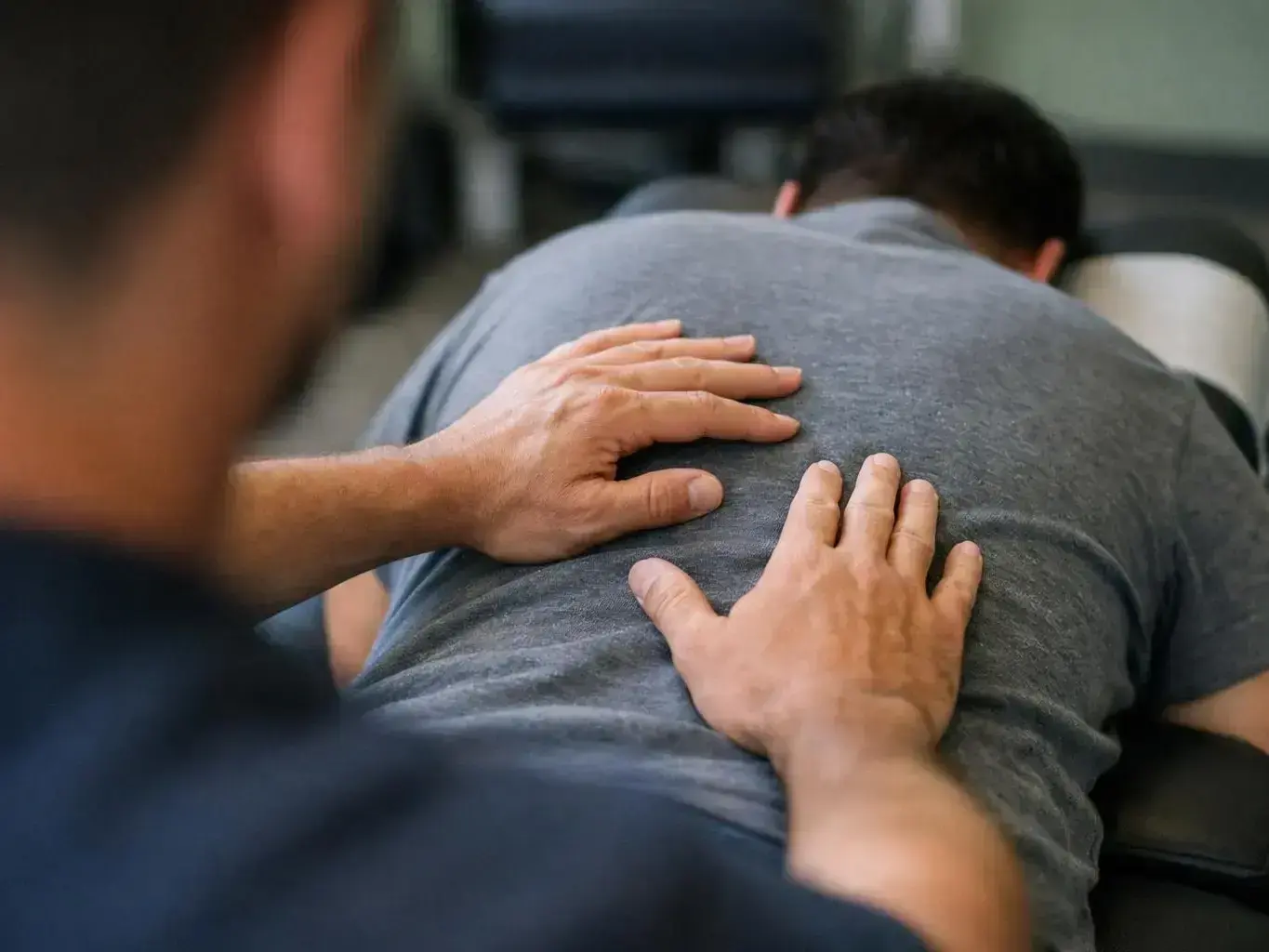
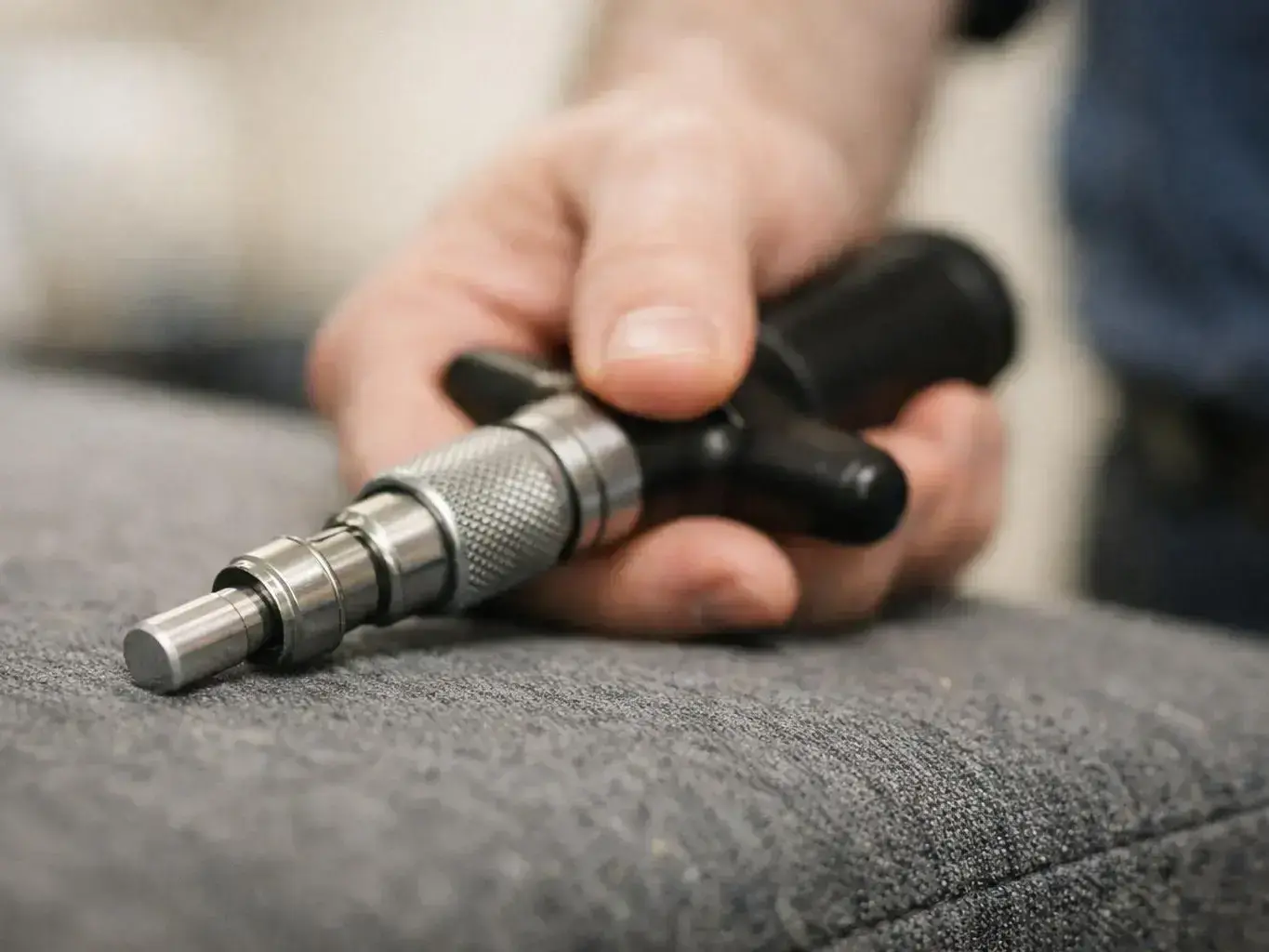
Treatment usually involves adjustments. These are gentle moves to fix the joint. Chiropractors use their hands or special tools.

They might also use massage or stretching. These help loosen tight muscles. They can make joints move better too.

Exercises can help as well. They make muscles stronger. This keeps joints in place longer.

Regular chiropractic care helps a lot. It keeps your spine aligned. It stops subluxations from coming back.

This is great for active people. It helps those with jobs that stress their bodies. It keeps them moving well.

Why Subluxation Matters?
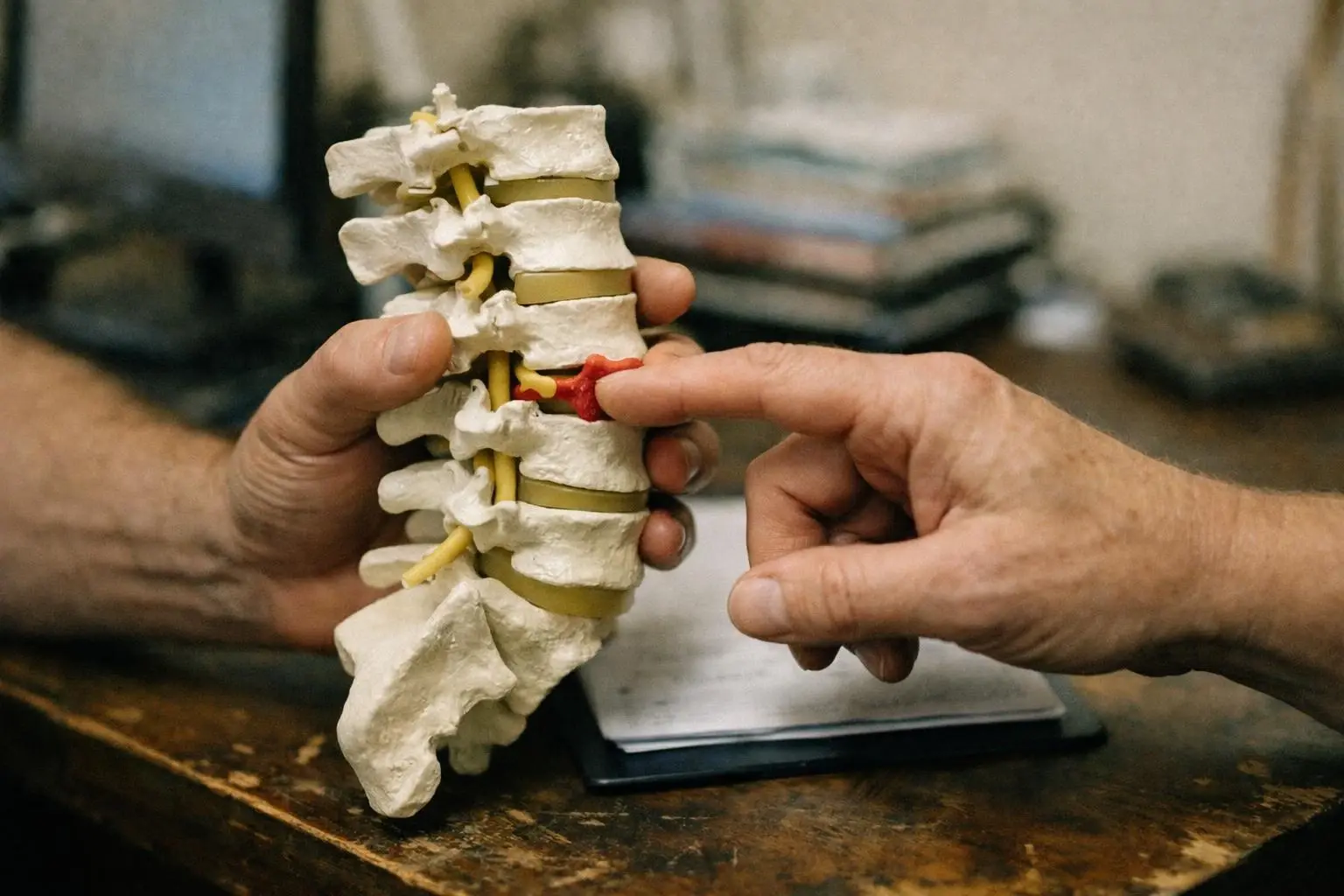
How Subluxation applies to Chiropractor services in Hermitage, United States—practical illustration

Subluxations don't just hurt the joint. They can affect your whole body. Nerves run through your joints.

Nerves control everything you do. A crooked joint can mess up brain signals. This can cause problems in organs or muscles.

A neck subluxation might cause headaches. It can make you dizzy. It might even cause arm pain.

A lower back subluxation can hurt your legs. It might cause stomach problems. Fixing it early stops bigger issues.

Fixing subluxations helps more than pain. It improves your whole health. Your joints work better when aligned.

Good alignment helps your posture. It makes you move easier. It also helps your balance.

This takes strain off muscles and ligaments. It helps athletes perform better. It lowers injury risk too.

Even if you feel fine, check your spine. Chiropractic care keeps your body working well. It helps as you get older.

When Subluxation Matters Most?

Subluxations often show up after accidents. Car crashes, falls. Or heavy lifting can cause them. You might not feel it right away.

You may feel stiff or sore later. Pain can show up days or weeks after. You might move less easily too.

Other things can cause subluxations. Bad posture is one. Doing the same motion over and over is another.

Sudden moves can strain your spine. This can cause subluxations too. They can build up slowly over time.

Some people get subluxations more often. Athletes and workers who lift a lot are at risk. So are office workers who sit too long.

Older adults can get them too. Their joints wear down. Pregnant women can get them from posture changes.

People in Hermitage, TN, lead active lives. Many have jobs that strain their bodies. It's important to check for subluxations early.

This helps keep you moving. It stops long-term pain. It's good for your health.

How to Evaluate Subluxation?

Related Concepts Compared

Subluxation vs. Dislocation

A dislocation is a complete separation of joint bones. While a subluxation is only a partial misalignment with bones still touching.

Subluxation vs. Spinal stenosis

Spinal stenosis is a narrowing of the spinal canal, often due to aging. While subluxation is a joint misalignment that may contribute to nerve irritation.

Subluxation vs. Muscle strain

Muscle strain involves overstretched or torn muscles. While subluxation affects joint alignment and may cause secondary muscle tension.

Expert Note

Subluxations don’t always cause immediate pain. But even minor misalignments can create subtle nerve interference. Regular chiropractic exams help detect these issues before they lead to chronic problems or systemic dysfunction.

Common Mistakes or Myths About Subluxation

  • Assuming subluxations always cause severe pain—many are subtle and painless at first.
  • Confusing subluxations with muscle knots or strains, which require different treatments.
  • Ignoring minor stiffness or discomfort, which may signal an underlying subluxation.
  • Believing subluxations only affect the spine—other joints like shoulders or knees can also be affected.

Subluxation in Practice: A Real-World Example

After lifting heavy boxes while moving, a Hermitage resident noticed stiffness and occasional sharp pain in their lower back. A chiropractic exam revealed a subluxation in the lumbar spine, where two vertebrae were slightly misaligned. After a series of adjustments, the pain decreased.

Related Services

Related Terms

Chiropractic adjustment

Chiropractic adjustment is a hands-on procedure chiropractors use to apply controlled force to a specific joint, usually in the spine. The goal is to improve spinal motion, ease nerve irritation. And help the body function better. Adjustments are often done with quick, gentle thrusts and may produce a popping sound as joints release gas.

Cervical spine

Cervical spine is the uppermost part of the spinal column, consisting of seven vertebrae labeled C1 through C7. These bones support the skull, protect the spinal cord. And allow head movement. The cervical spine enables flexibility, balance.

Lumbar spine

Lumbar spine is the lower part of the spine, made up of five large vertebrae labeled L1 to L5. These bones support most of the body’s weight and allow movements like bending, lifting. And twisting. The lumbar spine connects the upper body to the pelvis and legs, making it essential for daily activities and mobility.

Chiropractic manipulation

Chiropractic manipulation is a hands-on treatment where a licensed chiropractor applies controlled force to joints, especially in the spine, to improve motion, reduce pain. And support the body’s natural healing. It's also called a chiropractic adjustment and is a core part of chiropractic care.

Spinal decompression

Spinal decompression is a non-surgical treatment designed to relieve pressure on the spinal discs and nerves. It involves gently stretching the spine using a motorized table or device to create negative pressure within the discs, which can help herniated or bulging discs retract and promote healing by allowing oxygen, water.

ChiropractorHermitage.link

Have Questions About Subluxation?

Contact ChiropractorHermitage.link for practical guidance on Subluxation and related chiropractor work in Hermitage.

+1 615-777-0624