Atlas Orthogonal is a specialized chiropractic technique focused on correcting misalignments of the atlas vertebra, the top bone in the neck. This method uses precise, low-force adjustments delivered by a mechanical instrument to restore proper spinal alignment without manual twisting or cracking. It aims to relieve nerve pressure, improve posture. And reduce pain related to neck and spine issues.
Category
Chiropractic technique
Used for
Neck pain, headaches, migraines, vertigo. And spinal misalignment
Common confusion
Often mistaken for general spinal manipulation or manual adjustments
Also called
Atlas Orthogonal Technique, Atlas Orthogonal Adjustment
Often discussed with
Neck Pain Treatment, Car Accident Injury Treatment

Atlas Orthogonal is a chiropractic approach designed to address misalignments in the atlas vertebra, which is the first cervical vertebra (C1) located at the top of the spine. This bone plays a critical role in supporting the head and protecting the brainstem and spinal cord. Misalignments in this area can lead to nerve irritation, muscle tension. And pain not only in the neck but also in other parts of the body, such as the back, shoulders. And even the legs. Unlike traditional chiropractic adjustments that may involve manual force or twisting, Atlas Orthogonal relies on a gentle, instrument-based method to deliver precise corrections.
Related glossary terms: Chiropractic Adjustment, Spinal Manipulation, Chiropractic Activator.
The technique is based on the principle that even small misalignments in the atlas can have widespread effects on the nervous system and overall health. By restoring proper alignment, Atlas Orthogonal aims to reduce nerve interference, improve posture. And alleviate symptoms such as headaches, migraines, dizziness. And chronic pain. This method is often preferred by patients who are sensitive to manual adjustments or who have conditions that make traditional chiropractic care uncomfortable.
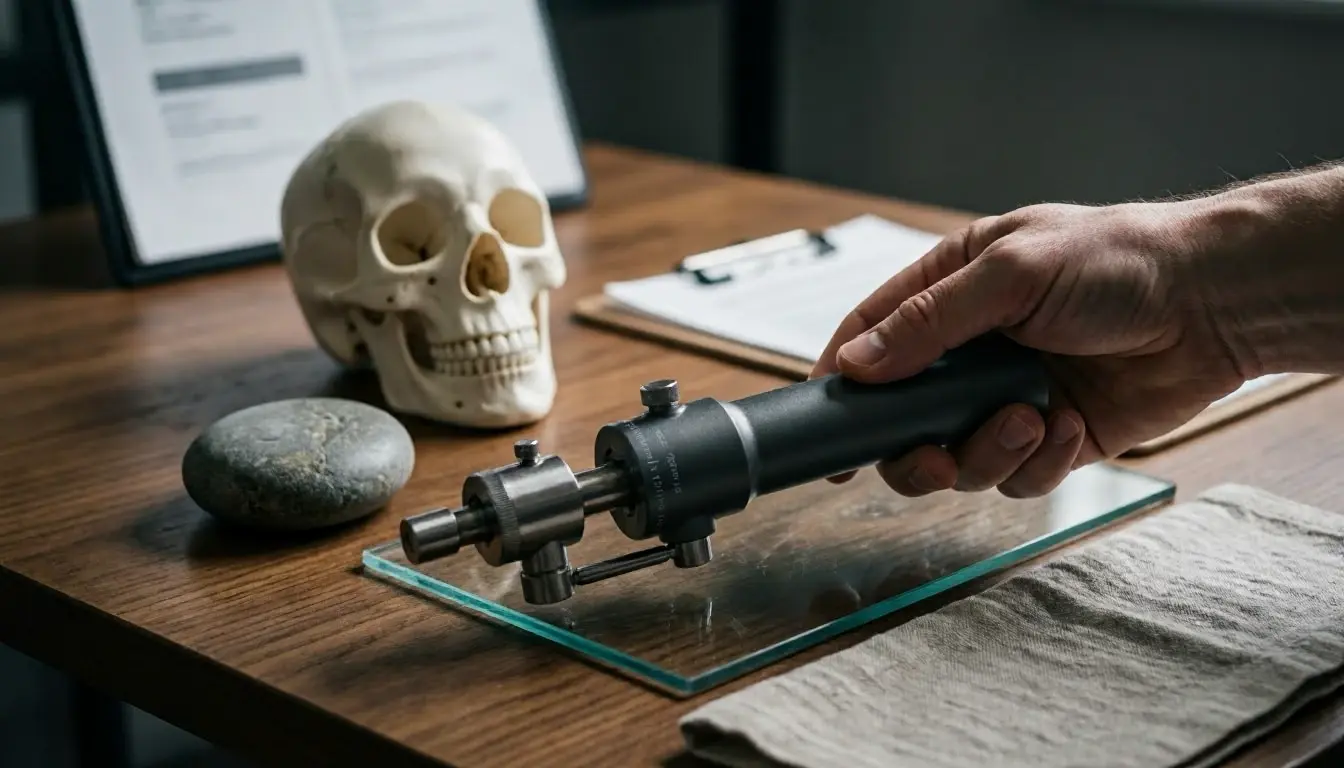
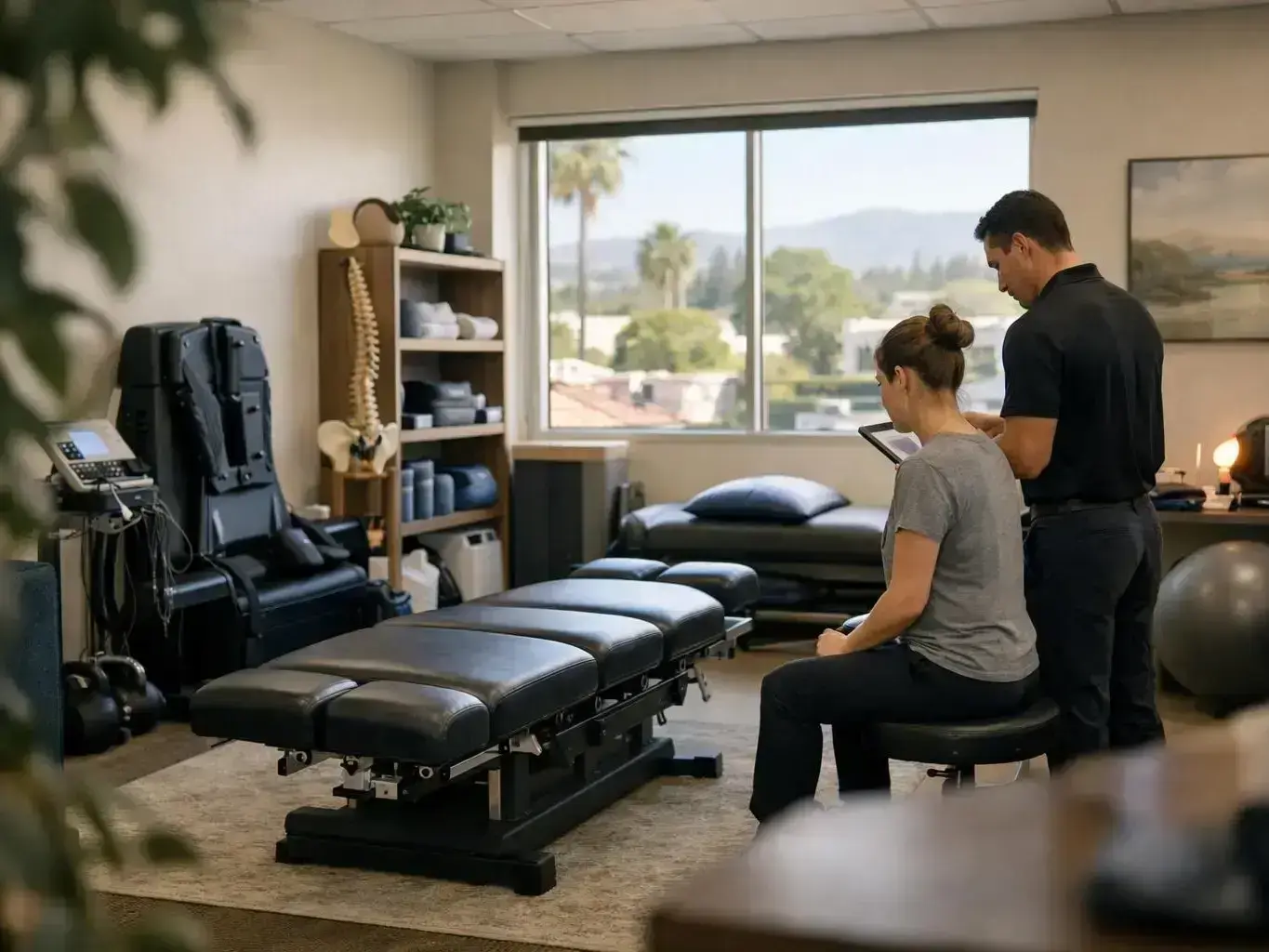
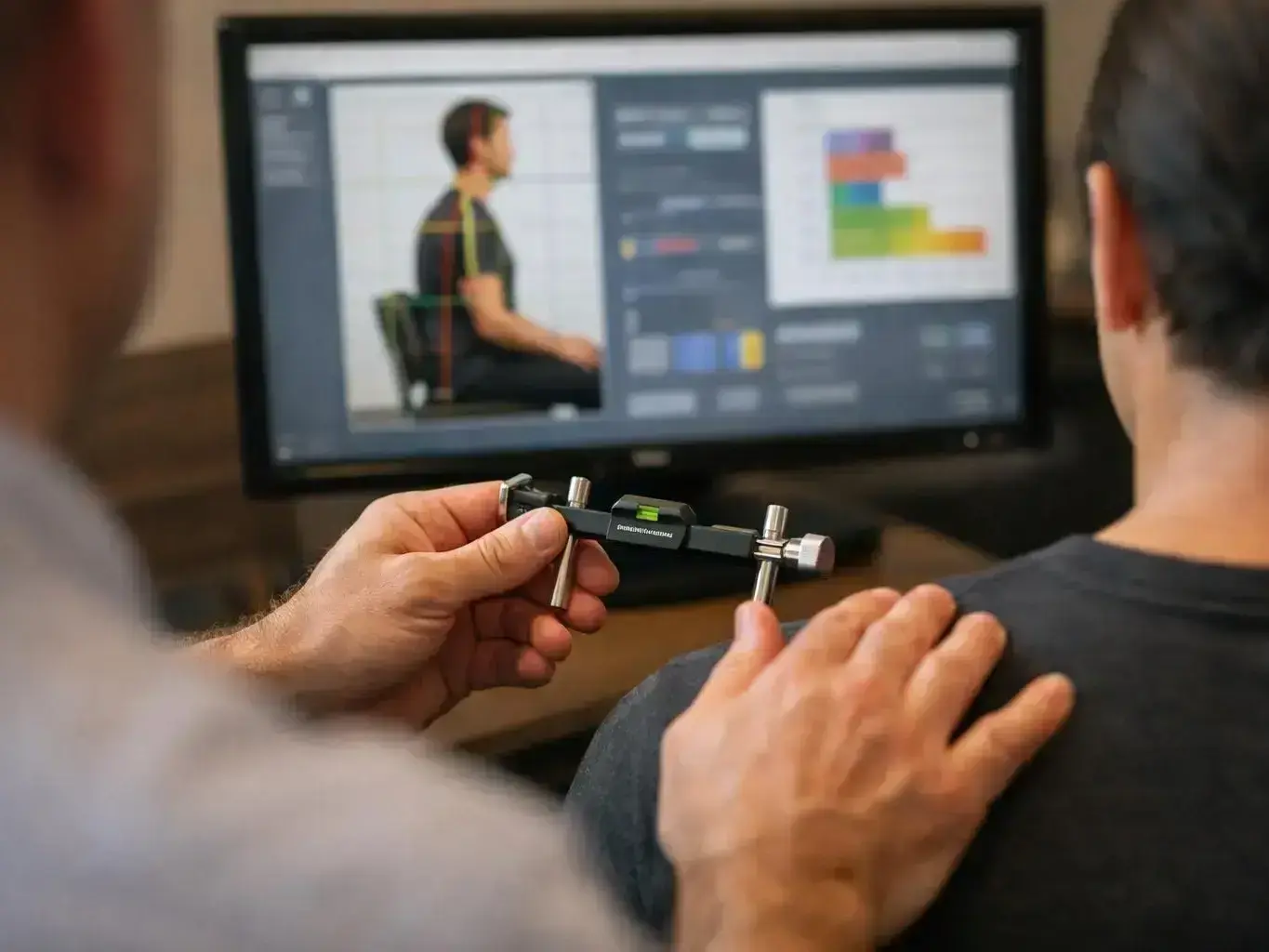
Atlas Orthogonal adjustments are performed using a specialized instrument called an Atlas Orthogonal percussion adjustor. This device delivers a quick, low-force impulse to the atlas vertebra, helping to reposition it without the need for manual manipulation. Before the adjustment, the chiropractor conducts a thorough examination, which may include X-rays or other imaging techniques, to assess the exact position of the atlas and determine the precise angle and force needed for correction.
The adjustment itself is typically painless and takes only a few seconds. The instrument is placed against the side of the neck. And the chiropractor activates it to deliver the impulse. Patients often report feeling immediate relief or a sense of lightness after the adjustment. Though some may require multiple sessions to achieve lasting results. The goal is to restore the atlas to its proper orthogonal (right-angle) position relative to the skull and spine, which can help improve nerve function and reduce pain.
This technique is highly specific, focusing only on the atlas vertebra rather than the entire spine. Because the atlas supports the weight of the head, even minor misalignments can cause significant discomfort. Atlas Orthogonal is often used alongside other chiropractic or rehabilitative therapies to address underlying issues such as muscle imbalances, joint dysfunction. Or postural problems.
Misalignments in the atlas vertebra can contribute to a variety of health issues beyond just neck pain. For example, nerve irritation in this area can lead to headaches, migraines. Or even symptoms like dizziness or vertigo. By correcting these misalignments, Atlas Orthogonal may help reduce the frequency and severity of these symptoms, improving quality of life for patients. And proper alignment of the atlas can relieve pressure on the nervous system, allowing the body to function more efficiently and promoting overall wellness.
Another key benefit of Atlas Orthogonal is its gentle approach. Traditional chiropractic adjustments can sometimes involve forceful movements or cracking sounds, which may be uncomfortable or intimidating for some patients. Atlas Orthogonal, on the other hand, uses a controlled, low-force instrument, making it a suitable option for individuals with sensitivity to manual adjustments, such as children, the elderly. Or those recovering from injuries. This method also reduces the risk of complications or discomfort associated with more aggressive techniques.
Atlas Orthogonal is particularly beneficial for individuals experiencing symptoms related to misalignments in the upper neck. Common conditions that may respond well to this technique include chronic headaches, migraines, neck pain. And vertigo. It's also frequently used for patients who have sustained whiplash injuries, such as those from car accidents, as these injuries often involve trauma to the atlas vertebra. And individuals with postural issues, such as forward head posture or scoliosis, may find relief through Atlas Orthogonal adjustments, as these conditions can place additional stress on the neck and spine.
This technique is also valuable for patients who have not responded well to other forms of chiropractic care or who are seeking a gentler alternative. Because it doesn't involve manual manipulation, Atlas Orthogonal is often recommended for individuals with osteoporosis, arthritis. Or other conditions that make traditional adjustments risky. It is also a popular choice for athletes or active individuals looking to maintain optimal spinal alignment and prevent injuries. For residents in Hermitage, TN, where chiropractic care is commonly sought for work-related injuries, car accidents. Or chronic pain, Atlas Orthogonal offers a precise and non-invasive option for relief.
The Gonstead Technique involves manual adjustments of the spine, often targeting multiple vertebrae. While Atlas Orthogonal focuses solely on the atlas using an instrument-based approach.
The Activator Method uses a handheld instrument to adjust various parts of the spine, whereas Atlas Orthogonal specifically targets the atlas vertebra with a specialized device.
Spinal manipulation typically involves manual force or twisting to adjust the spine. While Atlas Orthogonal uses a gentle, instrument-based impulse for precise corrections.
Atlas Orthogonal is particularly effective for patients with upper cervical misalignments who may not tolerate manual adjustments. However, it requires precise imaging and specialized training to ensure accuracy, as improper technique can lead to ineffective results or discomfort.
A patient suffering from chronic migraines and neck stiffness after a car accident visits a chiropractor. After X-rays reveal a misalignment in the atlas vertebra, the chiropractor uses Atlas Orthogonal to deliver a gentle adjustment. Over several sessions, the patient reports fewer migraines and improved range of motion in the neck.
Chiropractic Adjustment is a precise manual procedure where a licensed chiropractor applies controlled force to a joint in the spine or other body part. The goal is to improve alignment, reduce pain. And restore normal movement. Adjustments are often performed using hands or specialized instruments and are tailored to each patient’s condition.
Spinal Manipulation is a hands-on treatment technique used by chiropractors and other trained healthcare providers to apply controlled force to a joint in the spine. This force helps improve spinal motion, reduce pain. And restore function by addressing stiffness, misalignments. Or nerve irritation. The procedure often produces a popping sound caused by gas releasing from the joint.
Chiropractic Activator is a handheld, spring-loaded instrument used by chiropractors to deliver a precise, low-force impulse to specific joints in the spine or extremities. This tool helps restore proper motion and alignment without the twisting or cracking often associated with manual adjustments, making it a gentler option for certain patients.
Advanced Injury Care Clinic
Contact Advanced Injury Care Clinic for practical guidance on Atlas Orthogonal and related chiropractor work in Hermitage.