Understanding Chiropractic X-Ray

Chiropractic X-Rays are a type of diagnostic imaging used by chiropractors to get a clear picture of a patient’s spine, joints. And bones. Unlike general medical X-Rays, chiropractic X-Rays focus on areas most relevant to chiropractic care, such as the cervical spine (neck), thoracic spine (mid-back), lumbar spine (lower back). And pelvis. These images help chiropractors identify misalignments, degenerative changes, fractures. Or other structural issues that may contribute to pain, stiffness. Or limited movement.
Related glossary terms: Adjustment, Spinal Manipulation, Herniated Disc.
Chiropractic X-Rays are typically low-dose, meaning they expose patients to less radiation than standard medical X-Rays. This makes them safer for repeated use when needed. Though chiropractors still follow strict guidelines to cut down on exposure. The images are taken in specific positions—like standing or lying down—to show how the spine and joints behave under different conditions, such as weight-bearing or movement. This helps chiropractors tailor adjustments and therapies to each patient’s unique anatomy.
How Chiropractic X-Ray Works?
Chiropractic X-Rays work by passing a small amount of radiation through the body. Dense structures like bones absorb more radiation and appear white on the image. While softer tissues like muscles and organs appear darker. The X-Ray machine captures this information on a digital sensor or film, creating a two-dimensional image of the internal structures. Chiropractors use these images to measure angles, spacing. And alignment of vertebrae, which can reveal issues like scoliosis, disc degeneration. Or joint dysfunction.
Before taking an X-Ray, patients may be asked to remove jewelry, belts. Or clothing with metal fasteners, as these can interfere with the image. The chiropractor or technician positions the patient carefully—often standing - to ensure the correct view of the spine or joint. The process is quick, usually taking only a few seconds per image. And painless. After the X-Ray, the chiropractor reviews the images to assess bone health, joint spacing. And spinal curvature, which helps inform the treatment plan.
Why Chiropractic X-Ray Matters?
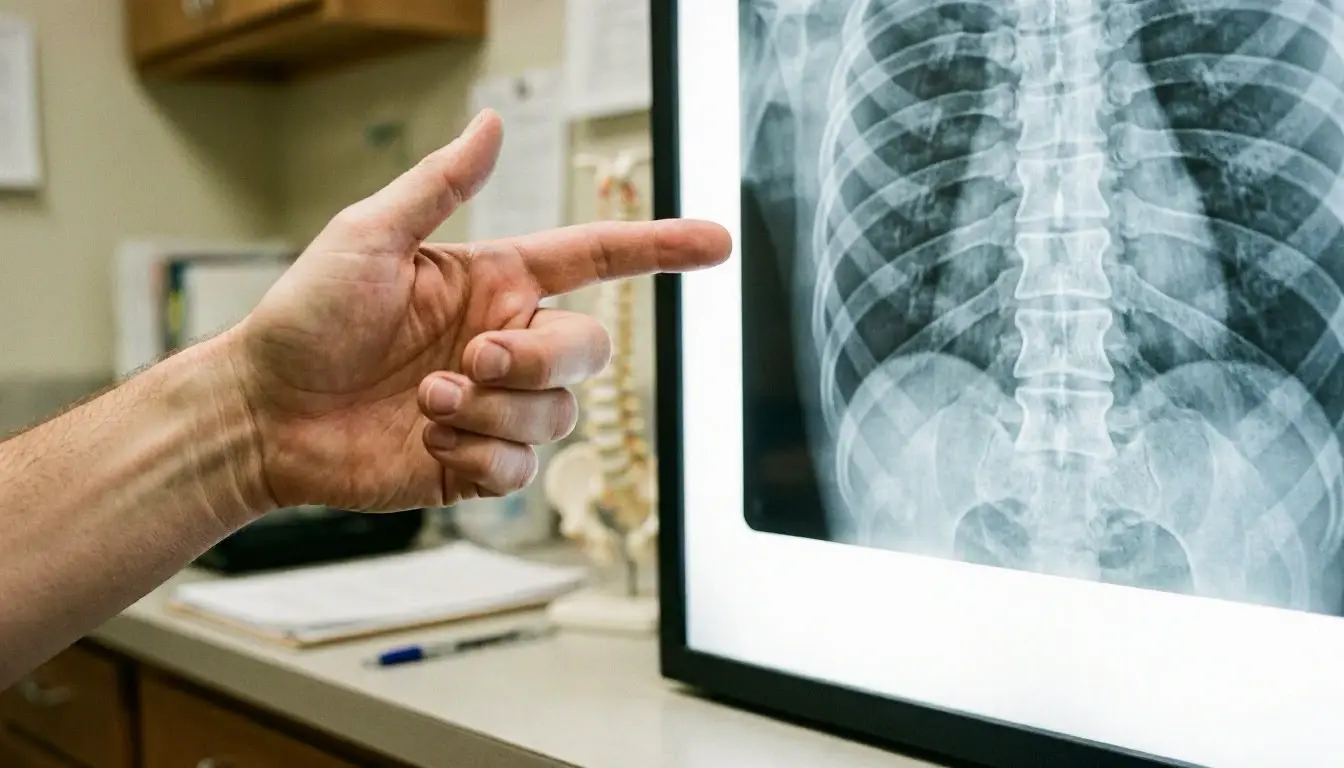
Chiropractic X-Rays matter because they provide objective information about a patient’s spine and joints that can't be seen or felt during a physical exam. For example, an X-Ray can reveal a misaligned vertebra, a narrowed disc space. Or signs of arthritis that may explain chronic pain or mobility issues. Without this imaging, chiropractors might rely solely on symptoms, which can vary widely from person to person. X-Rays help ensure that adjustments and therapies are safe, precise. And effective for each individual.
In some cases, X-Rays can also rule out serious conditions that require medical attention, such as fractures, infections. Or tumors. That means especially important for patients who have experienced trauma, such as a car accident or fall. Or those with unexplained pain that doesn't improve with treatment. By identifying these issues early, chiropractors can refer patients to the appropriate healthcare provider and avoid treatments that could worsen the condition.
When Chiropractic X-Ray Matters Most?
Chiropractic X-Rays matter most in situations where a patient’s symptoms suggest an underlying structural issue that cannot be diagnosed through physical examination alone. For example, patients with chronic neck or back pain, numbness or tingling in the arms or legs. Or a history of trauma, such as a car accident or sports injury - may benefit from an X-Ray. These images are also useful for patients with conditions like scoliosis, osteoporosis. Or degenerative disc disease, where monitoring bone health over time is important.
Chiropractors may also recommend X-Rays for patients who don't respond to initial treatments, as the images can reveal hidden problems like a herniated disc or spinal stenosis. But not every patient needs an X-Ray. Chiropractors follow guidelines from organizations like the American Chiropractic Association to determine when imaging is necessary, balancing the benefits of the information with the risks of radiation exposure. For instance, children, pregnant women. And patients with certain medical conditions may avoid X-Rays unless absolutely necessary.
In Hermitage, TN, chiropractors use X-Rays to support patients recovering from auto accidents, work injuries. Or sports-related trauma. These images help document injuries for insurance claims, workers' compensation cases. Or legal matters, ensuring patients receive the appropriate care and compensation they need.