Glossary

What is Electrical Muscle Stimulation?

Electrical Muscle Stimulation is a therapeutic technique that uses controlled electrical impulses to cause muscle contractions. These impulses mimic signals from the nervous system, helping to reduce pain, improve circulation. And promote muscle recovery. It's commonly used in physical therapy, sports medicine. And chiropractic care to aid healing and relieve discomfort.

Reviewed by ChiropractorHermitage.linkSources reviewed: American Physical Therapy Association, National Institutes of Health - MedlinePlus

Quick Facts About Electrical Muscle Stimulation

Category

Physical therapy and chiropractic modality

Used for

Pain relief, muscle re-education. And injury recovery

Common confusion

Often mistaken for TENS, which targets nerves, not muscles

Also called

EMS, Electro Muscle Stimulation

Often discussed with

Back Pain Treatment, Work Injury Treatment

Key Takeaways About Electrical Muscle Stimulation

Understanding Electrical Muscle Stimulation
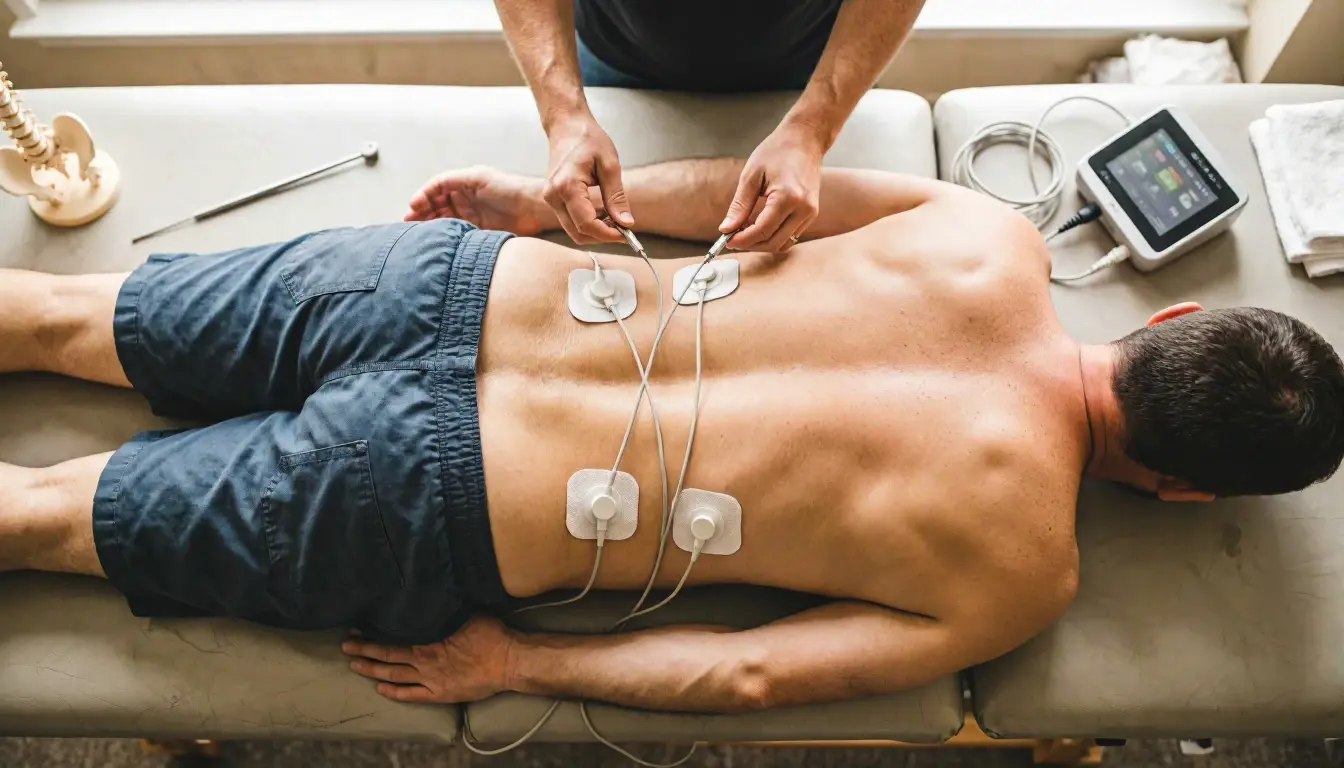
Electrical Muscle Stimulation in Chiropractor: Electrical Muscle Stimulation is a therapeutic technique that uses controll...

Electrical Muscle Stimulation (EMS) is a treatment method that delivers small electrical pulses to muscles through electrodes placed on the skin. These pulses cause the muscles to contract and relax, similar to how they would during voluntary movement. The goal is to improve muscle function, reduce pain. And boost circulation without relying on the body’s natural signals. EMS is widely used in rehabilitation settings to help patients recover from injuries, surgeries. Or conditions that limit mobility.

Related glossary terms: Chiropractic Adjustment, Soft Tissue Therapy, Spinal Manipulation.

While EMS may sound advanced, the concept is simple. The electrical current bypasses the brain’s usual control over muscle movement, allowing for targeted contractions. This can be especially helpful for muscles weakened by disuse, injury. Or nerve damage. The sensation is often described as a tingling or tapping feeling. And the intensity can be adjusted to suit the patient’s comfort level. Unlike medications or invasive procedures, EMS is a non-drug, non-surgical option for managing pain and promoting healing.

How Electrical Muscle Stimulation Works?

The process begins with a healthcare provider placing small electrodes on the skin near the targeted muscle group. These electrodes are connected to a device that generates controlled electrical impulses. When the device is turned on, the impulses travel through the electrodes and stimulate the underlying nerves, causing the muscles to contract. The frequency, duration. And intensity of the pulses can be customized based on the patient’s needs and tolerance.

EMS works by mimicking the action potentials sent by the brain to initiate muscle movement. During a session, the muscles contract and relax repeatedly, which helps improve blood flow, reduce muscle spasms. And prevent atrophy (muscle wasting). The treatment is often combined with other therapies, such as chiropractic adjustments or physical exercises, to boost its effectiveness. Sessions typically last between 10 to 30 minutes, depending on the condition being treated and the patient’s response.

You'll find different types of EMS devices, ranging from portable units for home use to larger, more advanced machines found in clinics. But professional supervision is recommended, especially for patients with underlying health conditions or those new to the therapy. A trained provider can ensure the electrodes are placed correctly and the settings are safe and effective for the patient’s specific needs.

Why Electrical Muscle Stimulation Matters?
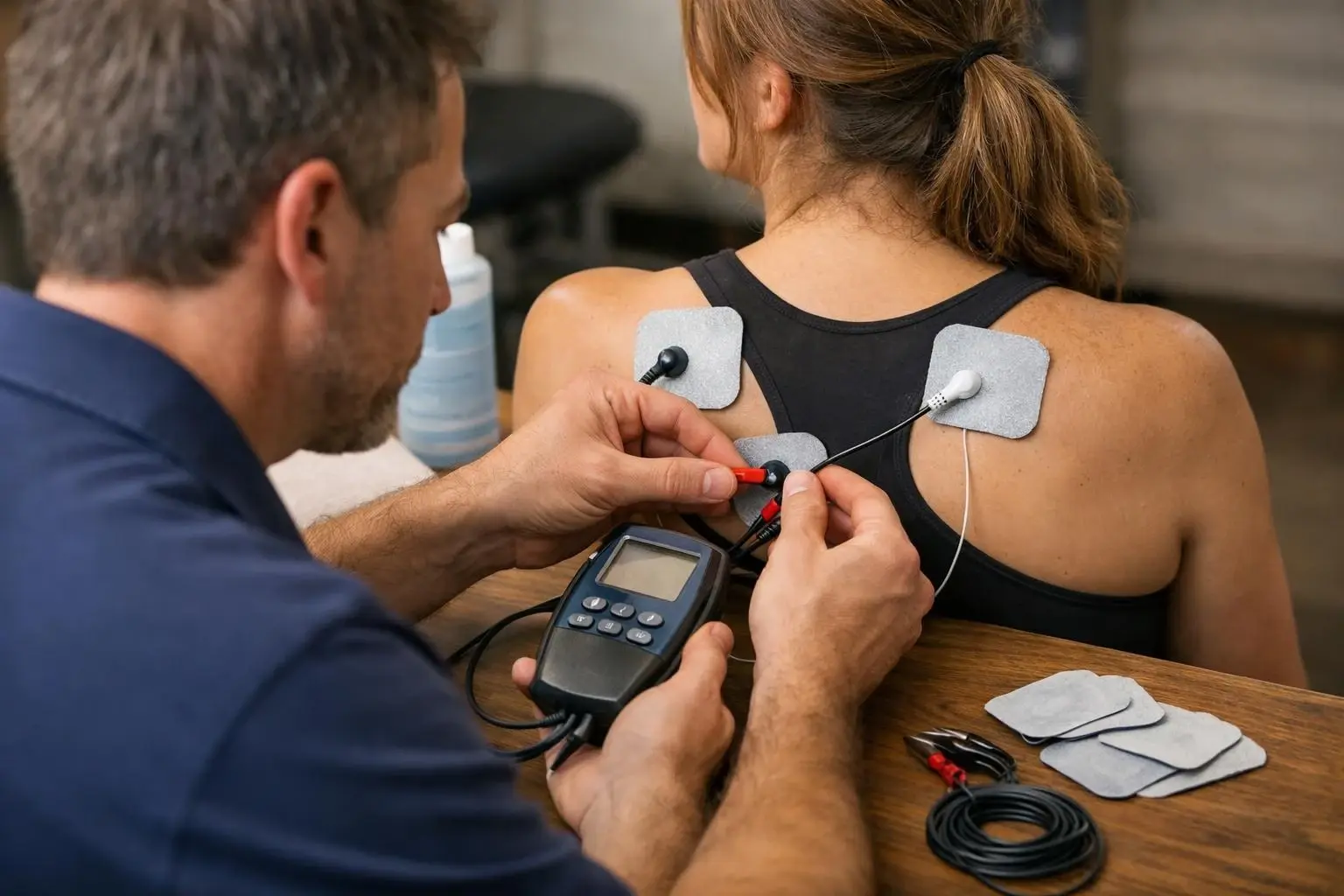
How Electrical Muscle Stimulation applies to Chiropractor services in Hermitage, United States—practical illustration

Electrical Muscle Stimulation matters because it offers a drug-free, non-invasive way to manage pain and support muscle recovery. For patients dealing with injuries, surgeries. Or chronic conditions like back pain or arthritis, EMS can provide relief without the side effects associated with pain medications. It also helps maintain muscle strength and function, which is crucial for patients recovering from immobility or nerve-related issues.

Beyond pain relief, EMS plays a key role in rehabilitation. It can help retrain muscles after an injury or surgery, improve circulation to promote healing. And reduce muscle spasms that contribute to discomfort. For athletes or active individuals, EMS is sometimes used to boost muscle performance or accelerate recovery after intense workouts. Its versatility makes it a valuable tool in both clinical and home-care settings.

When Electrical Muscle Stimulation Matters Most?

Electrical Muscle Stimulation is particularly useful in situations where muscles are weak, injured. Or not functioning properly. Common scenarios include post-surgical recovery, sports injuries, chronic pain conditions. And muscle imbalances caused by poor posture or repetitive strain. It's also beneficial for patients with neurological conditions, such as stroke or spinal cord injuries, where muscle control is compromised.

In practice, In chiropractic care, EMS is often used alongside spinal adjustments to help relax tight muscles, reduce inflammation. And improve mobility. For example, a patient with a herniated disc may experience muscle spasms in the lower back. EMS can help ease these spasms, making adjustments more comfortable and effective. It is also used for conditions like sciatica, whiplash. And tension headaches, where muscle tension contributes to pain.

While EMS is generally safe, it is not suitable for everyone. Patients with pacemakers, epilepsy. Or certain skin conditions may need to avoid this therapy. Pregnant women and individuals with open wounds or infections in the treatment area should also consult a healthcare provider before using EMS. A qualified professional can assess whether EMS is appropriate and tailor the treatment to the patient’s specific needs.

How to Evaluate Electrical Muscle Stimulation?

Related Concepts Compared

Electrical Muscle Stimulation vs. Transcutaneous Electrical Nerve Stimulation (TENS)

TENS targets nerves to block pain signals. While EMS causes muscle contractions to improve function and reduce spasms.

Electrical Muscle Stimulation vs. Ultrasound Therapy

Ultrasound therapy uses sound waves to promote healing deep in tissues, whereas EMS uses electrical impulses to stimulate muscle contractions.

Expert Note

Electrical Muscle Stimulation is most effective when combined with active rehabilitation, such as exercises or stretches. While it can provide immediate pain relief, long-term benefits depend on consistent use and integrating it into a broader treatment plan.

Common Mistakes or Myths About Electrical Muscle Stimulation

  • Assuming EMS is the same as TENS and expecting it to work for nerve pain.
  • Using EMS without professional guidance, which can lead to incorrect electrode placement or intensity settings.
  • Expecting immediate, permanent results after one session instead of committing to a full treatment plan.
  • Ignoring contraindications, such as using EMS over a pacemaker or open wound.

Electrical Muscle Stimulation in Practice: A Real-World Example

After a car accident, a patient in Hermitage, TN, experiences muscle spasms and stiffness in their lower back. Their chiropractor recommends Electrical Muscle Stimulation to help relax the muscles and reduce pain. During the session, electrodes are placed on the back. And the device delivers gentle pulses that cause the muscles to contract and release. After a few treatments, the patient notices improved mobility and less discomfort.

Sources & Further Reading on Electrical Muscle Stimulation

Related Services

Related Terms

Chiropractic Adjustment

Chiropractic Adjustment is a hands-on procedure where a licensed chiropractor applies controlled force to a specific joint in the spine or other body area. The goal is to improve alignment, reduce pain. And restore normal movement. Adjustments are often used to treat back pain, neck pain, headaches.

Soft Tissue Therapy

Soft Tissue Therapy is a hands-on treatment method that targets muscles, tendons, ligaments. And fascia to reduce pain, improve mobility. And promote healing. Soft Tissue Therapy includes techniques like massage, stretching. And pressure to break up scar tissue, release tension.

Spinal Manipulation

Spinal Manipulation is a hands-on technique used by chiropractors and other trained health professionals to apply controlled force to a joint in the spine. This force helps improve spinal motion, reduce pain. And restore function by addressing stiffness or misalignment in the vertebrae. The procedure often produces a popping sound due to gas releasing from the joint.

Herniated Disc

Herniated Disc is a spinal condition where the soft inner gel of a spinal disc leaks through a tear in its tough outer layer, often pressing on nearby nerves. This can cause pain, numbness. Or weakness in the back, neck, arms. Or legs, depending on the disc’s location. Herniated discs commonly result from aging, injury.

Myofascial Release

Myofascial Release is a hands-on therapy that gently stretches and releases tightness in the fascia, the thin layer of connective tissue surrounding muscles, bones. And organs. This technique helps reduce pain, improve movement. And restore function by addressing restrictions in the fascia caused by injury, inflammation. Or poor posture.

ChiropractorHermitage.link

Have Questions About Electrical Muscle Stimulation?

Contact ChiropractorHermitage.link for practical guidance on Electrical Muscle Stimulation and related chiropractor work in Hermitage.

+1 615-777-0624