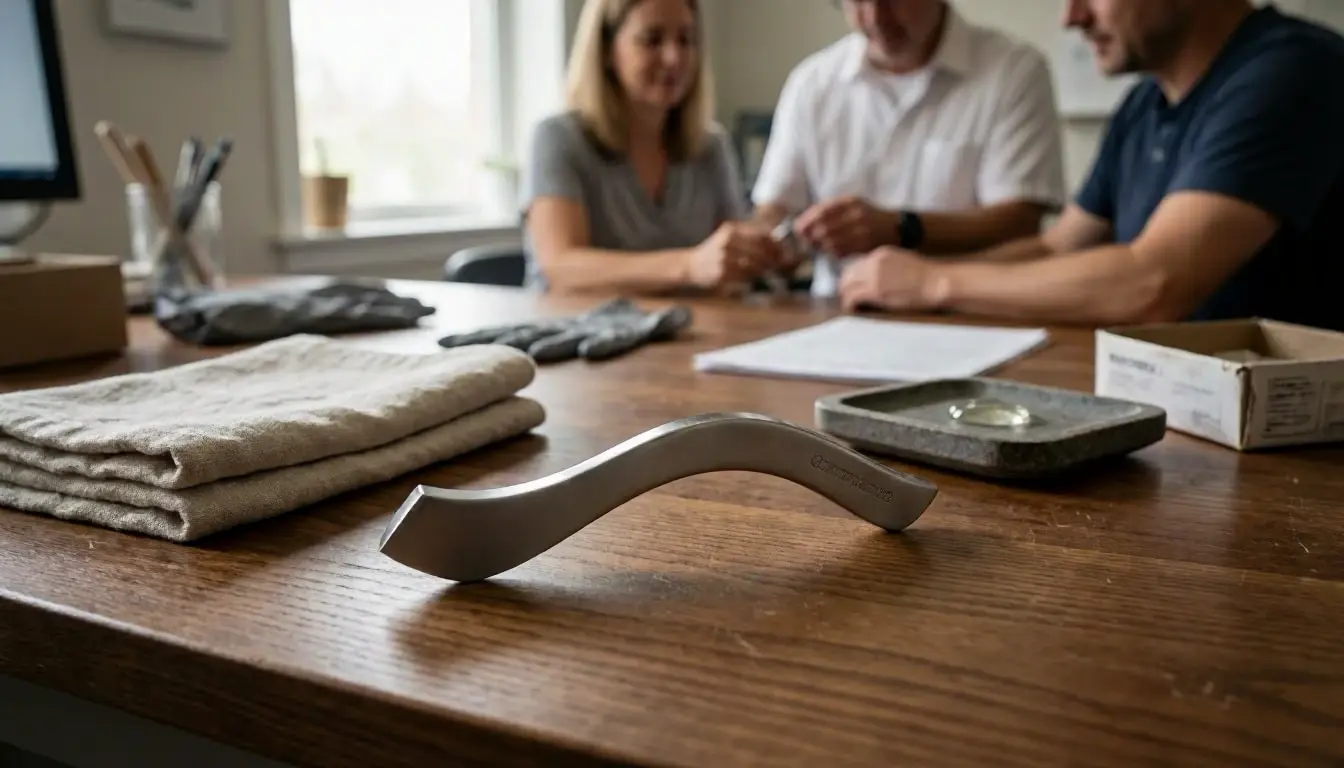
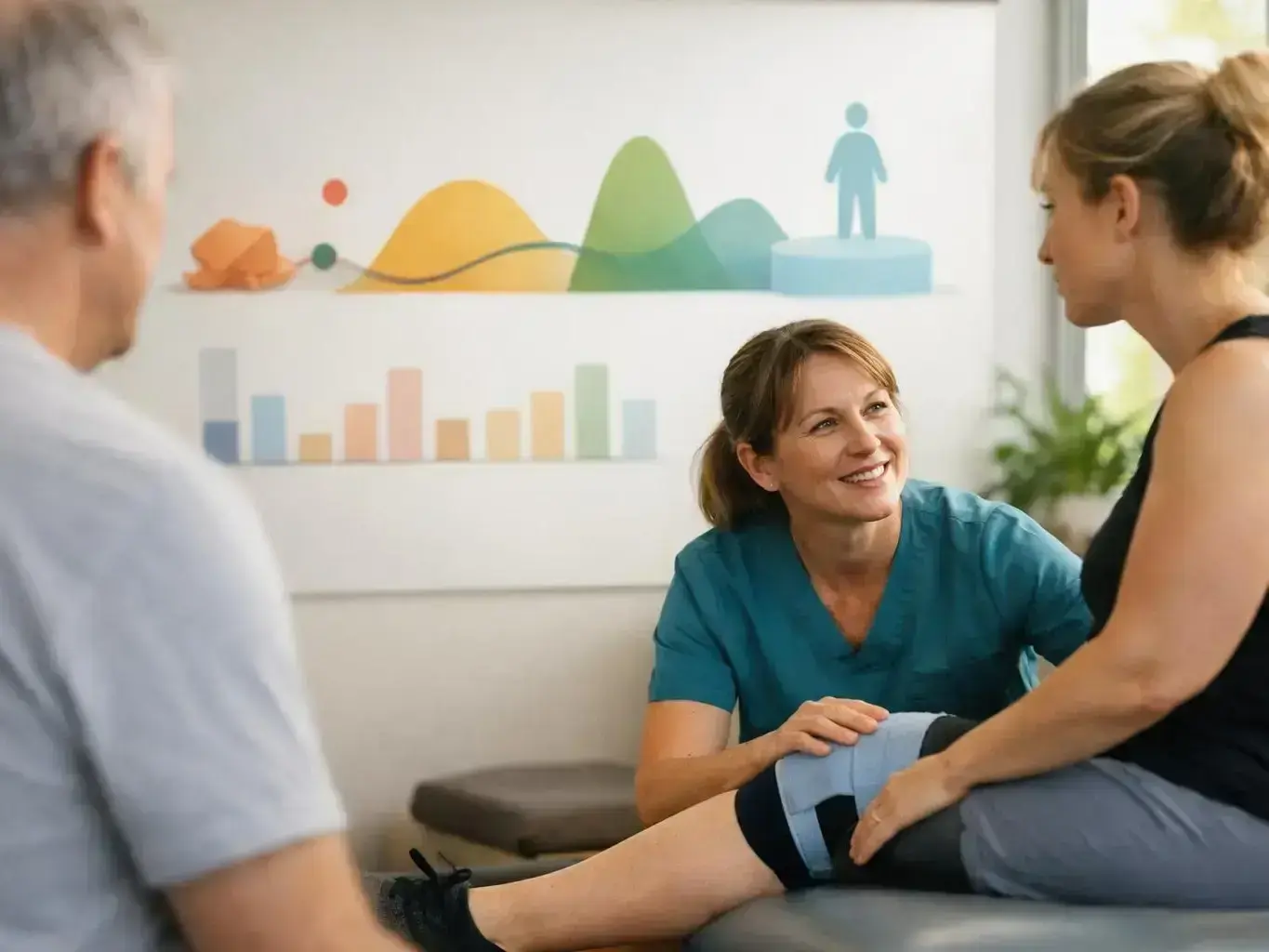
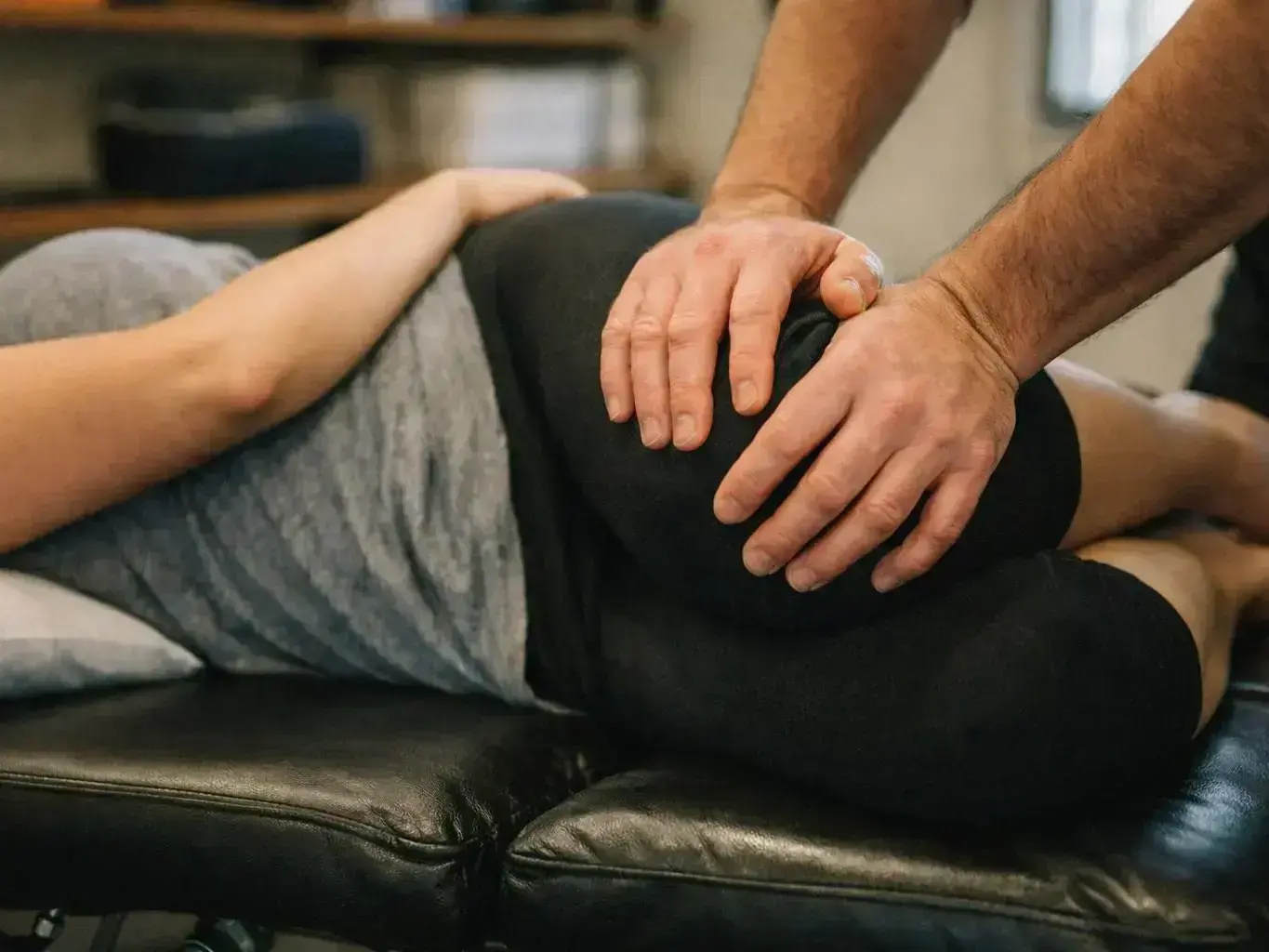
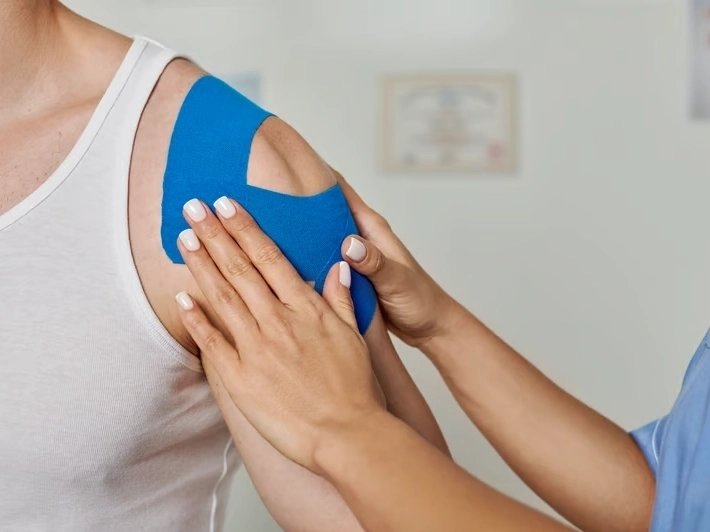
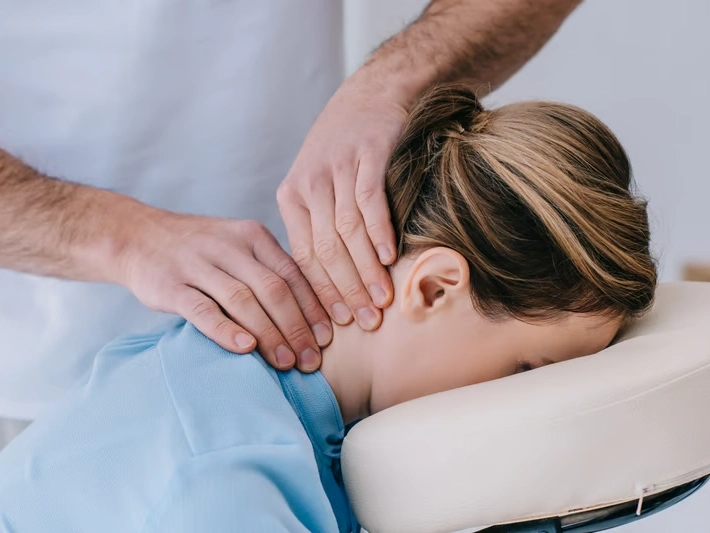
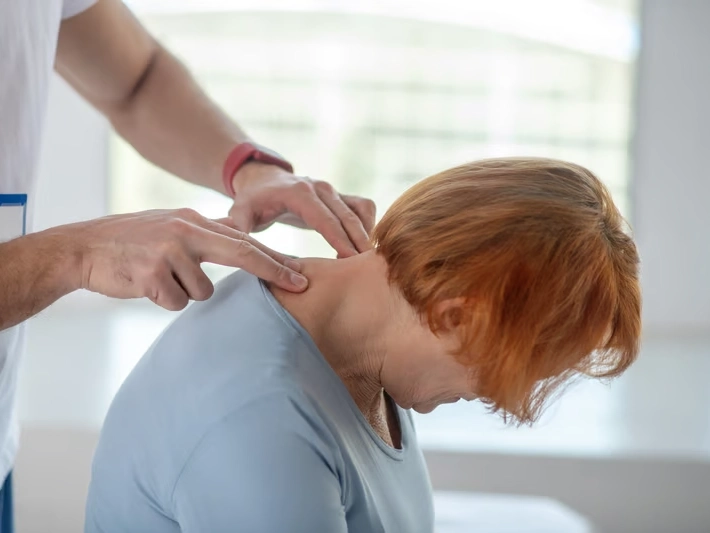
Graston Technique is a form of instrument-assisted soft tissue mobilization used by trained healthcare providers to detect and treat scar tissue, fascial restrictions. And muscle tightness. Graston Technique involves specialized stainless-steel tools to break down adhesions and improve range of motion, often reducing pain and speeding recovery from injuries like strains, sprains. And post-surgical stiffness.
Category
Soft tissue therapy
Used for
Muscle tightness, scar tissue, chronic pain, post-injury recovery
Common confusion
Often mistaken for deep-tissue massage. But uses tools instead of hands
Also called
GT, Instrument-Assisted Soft Tissue Mobilization (IASTM)
Often discussed with
Work Injury Treatment, Personal Injury Chiropractic Care

Graston Technique is a special therapy. Chiropractors and physical therapists use it. It helps treat soft tissue injuries.
Related glossary terms: Myofascial Release, Chiropractic Care, Muscle Strain.
It is not like regular massage. Regular massage uses hands. Graston uses smooth metal tools instead.
These tools are curved. They help find tight muscles. They also find scar tissue or fascial restrictions.
Fascial restrictions are tight spots in tissue. The tools help break these tight spots. This helps muscles move normally again.
The tools find adhesions too. Adhesions are spots where muscle fibers stick together. They happen after injury, overuse. Or surgery.
The tools break down adhesions. This helps reduce pain. It also helps restore normal movement.
This technique started in the 1990s. Athletes and doctors made it. They wanted a better way to treat injuries.
Today, many clinics use it. Sports medicine centers use it too. Rehab centers use it as well.
The tools come in different shapes. They also come in different sizes. This helps target specific body parts.
Some tools work on the back. Others work on shoulders, legs. Or arms. The metal tools glide smoothly over skin.
They do not cut or hurt tissue. The idea of metal tools may sound strange. But they are safe to use.
Graston Technique works with controlled pressure. The provider uses special tools. They press on soft tissues.
The provider scans the hurt area first. They use the tool to find tight spots. They look for adhesions too.
Once found, they use the tool again. They stroke gently but firmly. They follow the muscle fibers.
This breaks down scar tissue. It helps blood flow better. It also helps the body heal itself.
Patients feel deep pressure. They may feel mild scraping too. But it should not hurt.
Each session lasts 10 to 15 minutes. It is often used with other therapies. Stretching or ice may be added.
How many sessions you need varies. It depends on the injury. It also depends on how you respond.
A minor muscle strain may need 2 to 3 sessions. Chronic conditions need more. Plantar fasciitis may need 6 to 12.
Carpal tunnel syndrome may need that many too. Providers may give homework. They may teach stretches or exercises.
The goal is not just pain relief. It also helps restore function. This means breaking down adhesions.
It helps improve tissue mobility. This lets patients move better. It also reduces stiffness.
Patients can return to daily activities faster. They can return to sports faster too. It works well for many conditions.
Tendonitis and muscle strains get better. Ligament sprains improve too. It helps after surgery as well.
Graston Technique matters a lot. Soft tissue injuries are common. They can hurt your quality of life.
Sports can cause these injuries. So can repetitive motions. Accidents cause them too.
Muscle strains and tendonitis happen often. They cause pain and stiffness. They limit movement too.
Rest and ice help for a while. Medicine can help too. But they don't fix scar tissue.
Scar tissue can slow healing. Graston targets this tissue. It helps patients recover faster.
It also helps avoid complications. This means fewer problems later. It can also reduce the need for surgery.
Athletes with tendonitis may avoid surgery. Office workers with carpal tunnel may too. Graston can be part of their plan.
It helps after surgery as well. Scar tissue forms after surgery. Graston breaks this tissue down.
This improves recovery. It helps patients heal better. It works for knee or shoulder surgery too.
Graston helps patients who don't get better. Rest, ice. Or therapy alone may not work. Graston can help then.
It works well for chronic pain. It helps with stiffness too. It also helps with limited movement.
Plantar fasciitis gets better. Tennis elbow improves too. Rotator cuff injuries heal faster.
It helps after surgery or trauma. Car accidents may cause trauma. Sports injuries may too.
Graston reduces scar tissue. This helps improve mobility. Patients can move better after.
Athletes and active people like it. They can return to sports faster. Runners with Achilles tendonitis improve.
Baseball players with shoulder strains heal too. Graston speeds up recovery. It also helps prevent re-injury.
Office workers with carpal tunnel get relief. Construction workers with back pain do too. Graston is part of their plan.
Graston is safe for most people. But some should avoid it. Open wounds or infections mean no Graston.
Blood clotting disorders mean no Graston too. Providers check first. They make sure it is safe for you.
In Hermitage, TN, chiropractors use Graston. They use it with other therapies. Adjustments and exercises help too.
This helps patients get long-term relief. They feel better for a longer time. Graston is part of the plan.
Myofascial release uses hands or foam rollers to stretch and release tight fascia. While Graston Technique uses stainless-steel tools to break down scar tissue and adhesions.
Deep tissue massage uses hands to apply pressure and release muscle tension. While Graston Technique uses specialized tools to target scar tissue and fascial restrictions more precisely.
ART combines movement and manual pressure to treat soft tissue injuries. While Graston Technique uses tools to scan and treat areas of restriction without requiring patient movement during the process.
Graston Technique is not a standalone cure but works best as part of a broader rehabilitation plan. Combining it with targeted stretching, strengthening exercises. And other therapies often yields better outcomes than using the technique alone.
A construction worker in Hermitage, TN, develops chronic shoulder pain after years of repetitive lifting. Traditional treatments like rest and ice provide little relief. So his chiropractor recommends Graston Technique. After six sessions, the worker notices reduced stiffness and improved range of motion, allowing him to return to work with less discomfort.
Myofascial Release is a hands-on therapy that gently stretches and releases tightness in the fascia, the connective tissue surrounding muscles, bones. And organs. This technique aims to relieve pain, improve mobility. And restore normal function by applying sustained pressure to areas of tension or restriction. It's commonly used for chronic pain, injuries. And postural issues.
Chiropractic Care is a health profession focused on diagnosing, treating. And preventing mechanical disorders of the musculoskeletal system, especially the spine. Chiropractic Care uses hands-on spinal manipulation and other alternative treatments to enable the body to heal itself without surgery or medication. The practice emphasizes the relationship between the spine and nervous system and its impact on overall health.
Muscle Strain is an injury that occurs when muscle fibers stretch or tear due to overuse, sudden force. Or improper movement. Muscle Strains often cause pain, swelling. And limited mobility, commonly affecting the back, neck, legs. Or shoulders. They range from mild discomfort to severe tears requiring medical attention.
Ligament Sprain is an injury to a ligament—the tough, fibrous band connecting bones at a joint—caused by sudden stretching or tearing. Ligament sprains occur when a joint is forced beyond its normal range of motion, often during sports, falls. Or accidents. They typically cause pain, swelling, bruising. And difficulty moving the affected joint.
Spinal Manipulation is a hands-on treatment technique used by chiropractors and other trained healthcare providers to apply controlled force to a joint in the spine. This force helps improve spinal motion, reduce pain. And restore function by addressing stiffness, misalignments. Or nerve irritation. The procedure often produces a popping sound caused by gas releasing from the joint.
Advanced Injury Care Clinic
Contact Advanced Injury Care Clinic for practical guidance on Graston Technique and related chiropractor work in Hermitage.