

Skip to content

Myofascial Release Therapy in Berry Hill, Tennessee

Assessing muscle knots helps us plan hands-on care for Berry Hill patients. Myofascial release therapy supports mobility when tight tissue affects daily movement.

Upfront, Transparent PricingServing 18 CommunitiesMon-Fri: 9 am–7 pm, Sat: 9 am–2 pm, Sun: ClosedFast Scheduling

Quick Summary: Myofascial Release Care in Berry Hill, Tennessee

Myofascial Release Therapy in Berry Hill is provided by Advanced Injury Care Clinic for muscle tension, chronic pain, and restricted movement. Care includes an individualized evaluation and an evidence-informed treatment plan for Berry Hill and nearby Middle Tennessee communities.

  • What we do: Advanced Injury Care Clinic provides Myofascial Release Therapy in Berry Hill, Tennessee, with soft tissue work guided by an individualized evaluation.
  • What is included: Soft tissue therapy, movement assessment, posture guidance, therapeutic exercise, and rehabilitation support.
  • What you get: Myofascial Release Therapy helps improve movement and supports lasting comfort when tight tissue contributes to pain.

Can muscle knots cause persistent pain that keeps returning?

Muscle knots can contribute to persistent pain when tight tissue changes movement patterns or increases local sensitivity. Myofascial release therapy examines those areas and may help reduce strain. Ongoing pain can also involve joints, nerves, or an injury, so an evaluation helps determine whether soft tissue care fits your needs.

Myofascial Release Therapy for Persistent Pain in Berry Hill, Tennessee

Myofascial release therapy fits people who feel ongoing tightness, sore muscle bands, or pain that returns with the same movement. The work focuses on how muscles and fascia respond to pressure, posture, and repeated strain.

The key decision is whether soft tissue restriction contributes to your symptoms. Our team checks your health history, movement, and painful areas before choosing hands-on care. If symptoms suggest a condition outside this service, the care plan can include another treatment approach or referral guidance.

  • Discuss where pain starts and how movement changes it.
  • Check muscle tension, posture, and movement patterns.
  • Assess whether soft tissue therapy fits your symptoms.
  • Coordinate exercises or spinal care when they support the plan.
A man in a navy polo writes in a folder inside a clinical exam room

Service Overview

Myofascial Release Therapy is a hands-on soft tissue treatment that addresses restricted fascia and tense muscle areas.

  • Soft tissue therapy focuses on muscle and fascial tension, while spinal adjustments address joint movement as part of a broader care plan.
  • Advanced Injury Care Clinic provides this care for Berry Hill patients and nearby Middle Tennessee communities.

How We Approach Myofascial Release Therapy

Assessment before hands-on treatment

We review your symptoms and movement first, then choose the soft tissue approach that fits the findings. Myofascial release therapy is the wrong job when your symptoms need urgent medical care or a different clinical assessment.

Plain explanations of findings

Our team explains how muscle tension, fascia, posture, and joint motion may relate to your complaint. You receive a care plan that connects each treatment step to your stated goal.

Care after an injury

People recovering from auto accidents, work-related injuries, or sports injuries may need more than one type of care. Soft tissue therapy can be considered alongside spinal adjustments, exercise, and rehabilitation support.

Process

How We Perform Myofascial Release Therapy

1

Review your health history

We discuss your pain, injury history, daily activities, and goals before treatment begins.

2

Check movement and tissue tension

The evaluation looks at posture, joint motion, muscle tension, and areas that feel restricted or sensitive.

3

Apply focused soft tissue care

We use hands-on pressure across selected areas and adjust the approach to your response.

4

Build your care plan

Your plan may combine soft tissue therapy with spinal adjustments, posture guidance, or therapeutic exercises.

5

Review progress and next steps

We explain what we found and review how your movement and symptoms respond during follow-up care.

What This Soft Tissue Care Can Change

Targeted soft tissue work may support better mobility during daily activities.

Addressing fascial restriction can help reduce strain across related movement patterns.

A clear assessment helps you understand whether hands-on care fits your symptoms.

Therapeutic exercises can support the movement changes discussed during your visit.

Care may complement treatment for back pain, neck pain, whiplash, or sports injuries.

What Myofascial Release Therapy Includes

Advanced Injury Care Clinic provides comprehensive Myofascial Release Therapy in Berry Hill. Here's what you get:

  • Your visit begins with an individualized health history and physical evaluation.
  • We examine muscle tension, fascial restriction, posture, and movement patterns.
  • Hands-on soft tissue therapy targets areas linked to your symptoms.
  • Your care plan may include therapeutic exercises and posture guidance.
  • We explain the findings and the next steps in clear language.
  • Progress checks help us review how your movement and symptoms respond.

Choosing Care For Persistent Muscle Pain

This table shows how common care options address different parts of a pain complaint.

Care optionMain focusWhen it may fit
Myofascial release therapyMuscle and fascial tensionPain linked to soft tissue restriction or movement patterns
Spinal adjustmentsJoint motion and alignmentSymptoms that include restricted spinal movement
Therapeutic exerciseStrength, control, and movement habitsSupport between visits and ongoing mobility goals

The Advanced Injury Care Clinic Standard

  • Assess Patient Condition
  • Tailored Care Plans
  • Clear Treatment Explanations
  • Monitor Patient Progress

Questions About Myofascial Release Therapy

Can myofascial release therapy help with persistent muscle pain?

Muscle knots can contribute to persistent pain, and myofascial release therapy may help when tight tissue affects movement. Our team checks posture, muscle tension, and movement patterns before treatment. Results vary because chronic pain can involve joints, nerves, injuries, or several areas at once. An evaluation helps identify the safest fit.

Who is a good fit for this soft tissue treatment?

People with muscle tension, restricted movement, or injury-related soft tissue pain may fit this treatment. We review your symptoms, health history, and movement before choosing care. Severe or unexplained symptoms may need another clinical assessment first. Our team explains whether hands-on treatment belongs in your plan.

What happens during each stage of care?

Each visit moves from health history and examination to focused treatment and care planning.

  1. We discuss symptoms and goals.
  2. We assess movement and tissue tension.
  3. We apply selected soft tissue techniques.
  4. We review exercises, posture guidance, or follow-up care.

The exact plan follows your evaluation.

Which symptoms need a different service?

Severe, unexplained, or rapidly changing symptoms need assessment beyond soft tissue treatment. Numbness, weakness, or pain after a serious injury can require broader medical review. Our team asks about these concerns during intake and explains whether chiropractic care, rehabilitation support, or another clinical service fits.

When should I request an evaluation for muscle pain?

An evaluation makes sense when muscle pain keeps returning, limits movement, or follows an injury. The assessment looks for links between tissue tension, posture, joint motion, and daily activity. People in Berry Hill can discuss persistent symptoms through a free consultation before selecting a treatment plan.

Why can pain return after soft tissue treatment?

Pain can return when the same movement pattern, posture, injury, or nerve sensitivity continues to stress the area. We look beyond the sore spot and review related movement during the evaluation. Therapeutic exercise and posture guidance may support the hands-on work when those steps match the findings.

How does the first evaluation guide treatment?

The first evaluation guides treatment by connecting your symptoms with health history, movement, posture, and tissue findings. Our team uses that information to choose soft tissue care or another approach. You receive a clear explanation of the findings and the next step before ongoing treatment is planned.
Contact

Discuss Myofascial Release Therapy in Berry Hill

Persistent muscle pain deserves a clear assessment. Advanced Injury Care Clinic offers free consultations to discuss your symptoms, movement concerns, and possible care options in Berry Hill.

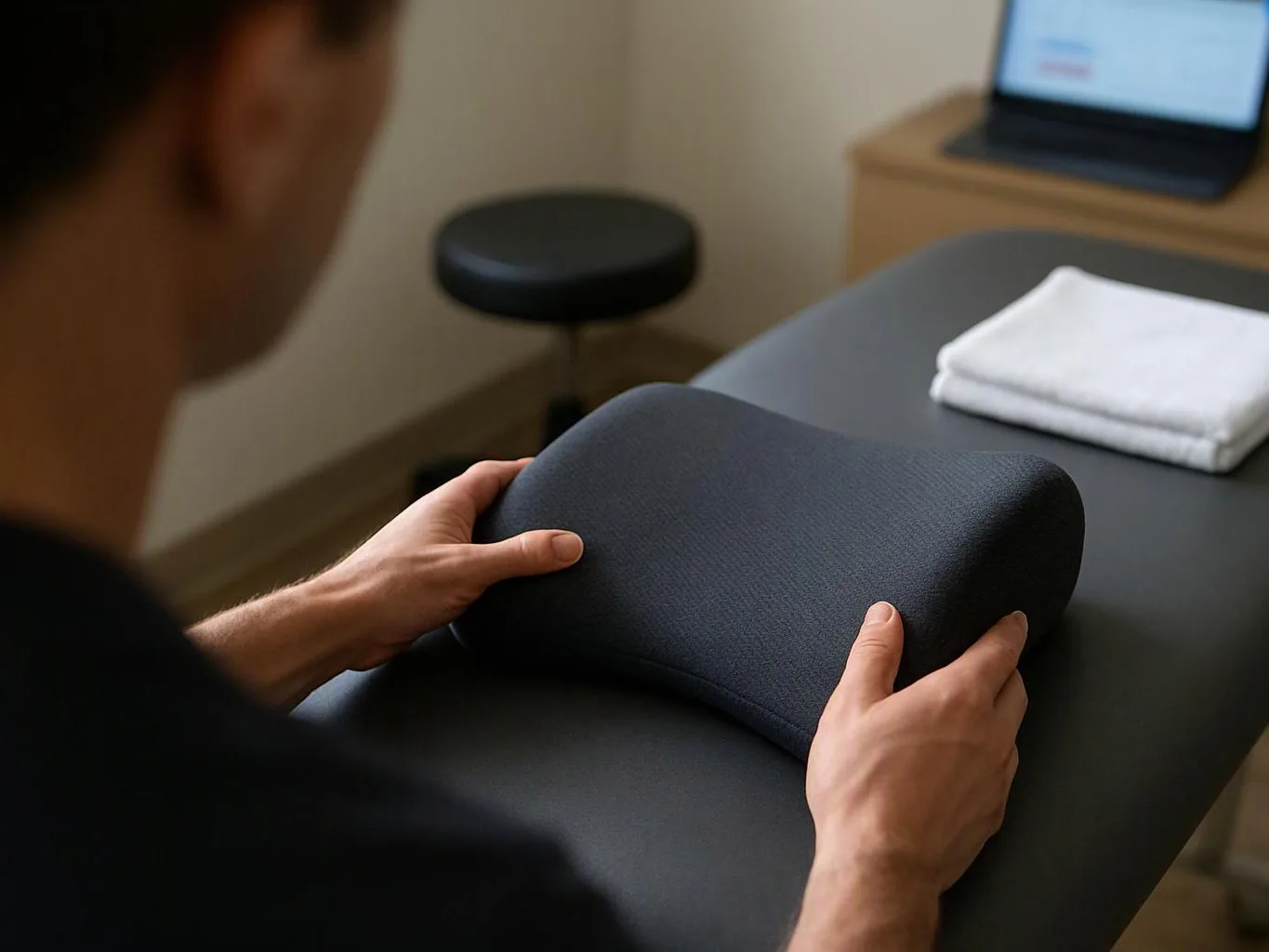
A person holds a black curved cushion on a massage table in a quiet room

Myofascial Release Therapy in Other Areas

The health and wellness information on this website is for general informational purposes only and is not medical advice. It does not create a provider-patient relationship. Always consult a qualified licensed provider in Hermitage, Tennessee, United States about your specific condition before making care decisions. Individual results vary.

(615) 265-0412