Skip to content

Myofascial Release Therapy in Shackle Island, Tennessee

Fascial tension can limit movement in Shackle Island, and restricted tissue may affect daily activity. Our licensed chiropractor uses focused hands-on care to assess movement and guide treatment.

Upfront, Transparent PricingServing 18 CommunitiesMon-Fri: 9 am–7 pm, Sat: 9 am–2 pm, Sun: ClosedFast Scheduling

Quick Summary: myofascial release therapy in Shackle Island, Tennessee

Myofascial Release Therapy in Shackle Island is provided by Advanced Injury Care Clinic for restricted soft tissue, trigger points, and movement limits. Care includes an individualized evaluation, hands-on soft tissue therapy, and a plan that may include therapeutic exercises.

  • What we do: Advanced Injury Care Clinic provides Myofascial Release Therapy for clients in Shackle Island, Tennessee, with hands-on soft tissue care and movement assessment.
  • What is included: Individualized evaluation, manual pressure, soft tissue therapy, range-of-motion checks, and therapeutic exercise guidance.
  • What you get: Myofascial Release Therapy supports freer movement by addressing restricted soft tissue and related trigger points.

Why does restricted movement keep happening after muscle strain?

Fascial tension can keep movement restricted when soft tissue stays tight after strain or injury. Myofascial release therapy uses manual pressure and tissue gliding to assess and address those limits.

Myofascial Release Therapy for Restricted Movement in Shackle Island

Myofascial release therapy is suited to clients who feel tightness, limited motion, or sore bands of muscle after an injury or repeated strain. The work focuses on soft tissue, so the treatment plan may also include spinal adjustments, therapeutic exercises, posture guidance, or rehabilitation support.

The key decision is whether soft tissue restriction contributes to the movement problem. Our team checks the health history, symptoms, tissue response, and range of motion before choosing a treatment approach. Care in Shackle Island is provided through our chiropractic clinic and may fit people recovering from auto accidents, work injuries, or sports injuries.

This service has limits. Severe symptoms, new neurological changes, or signs of a serious medical problem need prompt medical assessment, not hands-on tissue work alone.

  • Share when the restricted movement began and what activity worsens it.
  • Bring relevant injury details or medical records when available.
  • Expect a health history, physical exam, and range-of-motion check.
  • Ask how soft tissue care fits your wider chiropractic treatment plan.
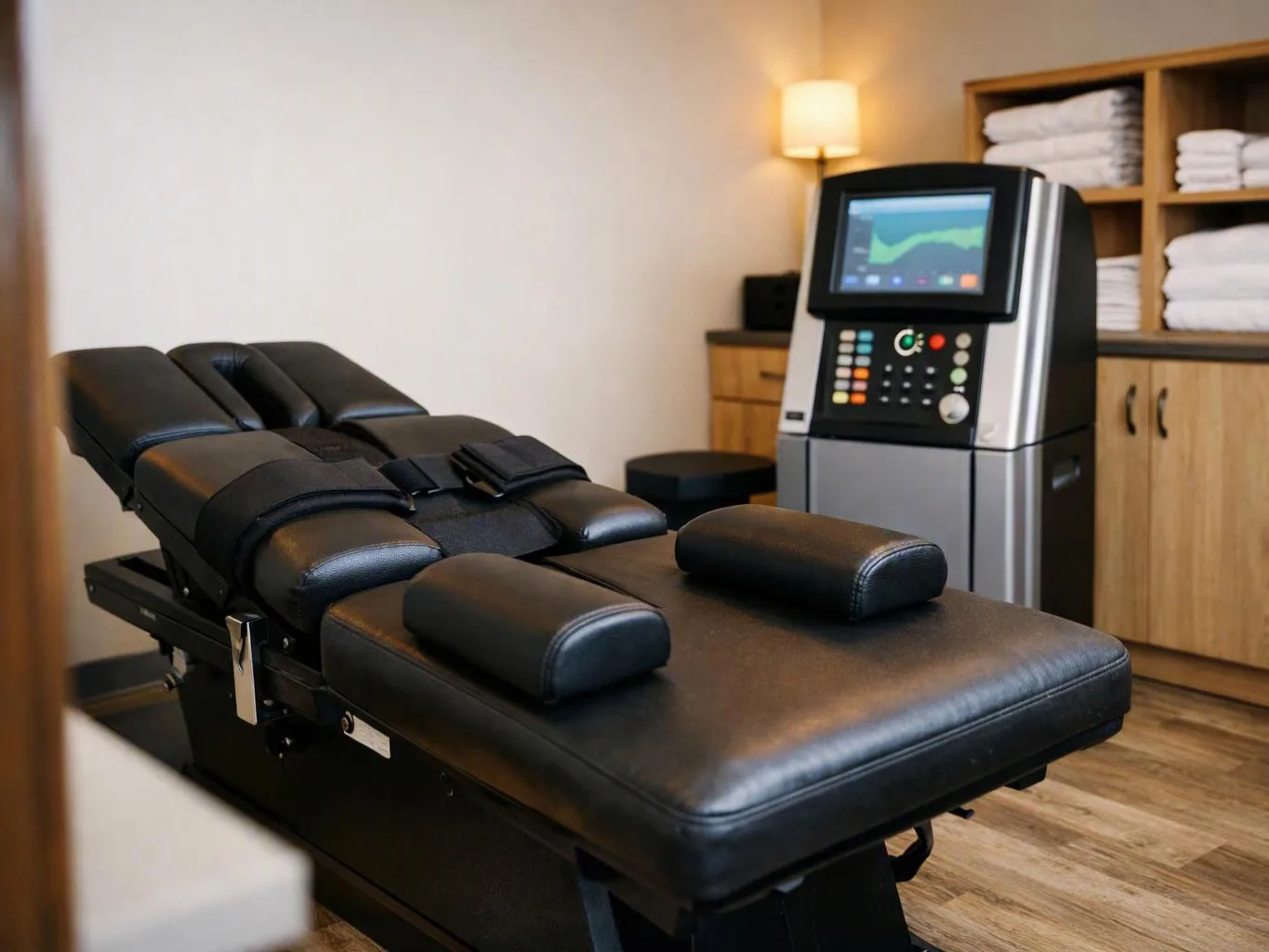
A black treatment chair sits in a clean room beside a control machine, shelves, and folded towels

Service Overview

Myofascial Release Therapy is a hands-on soft tissue treatment that uses pressure and guided movement to address restricted fascia and muscle tension.

  • It differs from a spinal adjustment because it focuses on soft tissue gliding and trigger points, not joint positioning.
  • Advanced Injury Care Clinic provides this care for clients in Shackle Island as part of individualized chiropractic treatment.

What myofascial release therapy includes

Advanced Injury Care Clinic provides comprehensive Myofascial Release Therapy in Shackle Island. Here's what you get:

  • We review your health history, symptoms, and movement concerns before treatment.
  • We examine muscle tension, tender areas, trigger points, and range of motion.
  • We apply manual pressure to selected soft tissue areas when the assessment supports it.
  • We use tissue gliding techniques to address areas that feel restricted.
  • We explain the findings and outline a personalized care plan.
  • We may add therapeutic exercises, posture guidance, or rehabilitation support.

What clients get from this focused soft tissue care

A movement-based treatment decision

We connect the tissue findings to your range of motion before choosing care. Myofascial release therapy is the wrong fit when symptoms point to a condition that needs medical assessment first.

Clear findings before hands-on work

Our team explains what we find during the evaluation, including tender areas, trigger points, and movement limits. This helps you understand why a technique is being considered.

Care that can fit wider treatment

Soft tissue therapy may sit alongside spinal adjustments, therapeutic exercises, posture guidance, or rehabilitation support when those services fit your needs.

Process

How we carry out this soft tissue treatment

1

Review the movement concern

We discuss your symptoms, injury history, daily activities, and the movement that feels limited.

2

Check tissue and motion

We examine tender areas, trigger points, muscle tension, and range of motion during the evaluation.

3

Choose the hands-on method

We select manual pressure or tissue gliding when the findings show that soft tissue care fits.

4

Add movement guidance

We may recommend therapeutic exercises, posture guidance, or rehabilitation support to complement hands-on treatment.

5

Review the care plan

We explain what we found, answer questions, and outline the next step for your individualized treatment plan.

What changes when restricted tissue gets attention

Focused soft tissue work may support smoother movement during daily tasks.

A movement check helps connect tight tissue with the activity that feels limited.

Treatment planning gives you a clearer role for exercises and self-care.

The approach may support comfort after an auto accident, work injury, or sports injury.

Regular maintenance may help you keep track of movement changes over time.

How soft tissue care differs from related chiropractic methods

These approaches address different parts of a movement problem, so the examination guides the choice.

Care approachMain focusWhat we check
Myofascial release therapyRestricted soft tissue and trigger pointsTissue response and range of motion
Spinal adjustmentJoint movement and spinal mechanicsAlignment findings and movement pattern
Therapeutic exerciseControlled strength and movement practiceFunction, posture, and exercise tolerance

The Advanced Injury Care Clinic Standard

  • Assess Patient Condition
  • Tailored Care Plans
  • Clear Treatment Explanations
  • Monitor Patient Progress

Questions about hands-on soft tissue treatment

How does myofascial release therapy relieve restricted movement?

Fascial tension can restrict movement when soft tissue stays tight around a painful or strained area. Advanced Injury Care Clinic uses manual pressure and tissue gliding to assess those limits and support freer motion. We also check range of motion, because treatment should relate to the movement you need for daily activity.

What happens at each stage of the treatment?

The treatment starts with an evaluation and ends with a clear care plan.

  1. We review your history and movement concern.
  2. We check tissue response, trigger points, and range of motion.
  3. We apply suitable hands-on techniques.
  4. We discuss exercises, posture guidance, or follow-up care.

Our team adjusts the plan when your findings call for a different approach.

What does the chiropractor look at first?

The first check covers your symptoms, injury history, movement limits, and affected soft tissue. We look for trigger points and changes in range of motion before choosing manual pressure. This assessment helps us decide whether myofascial release therapy fits the problem or whether another type of care needs attention first.

Which symptoms suggest soft tissue care may fit?

Tightness, tender bands, and movement limits can suggest that soft tissue care may fit. Our team also considers headaches, neck pain, back pain, whiplash, and injury history during the exam. Symptoms that feel severe, unusual, or linked to new neurological changes need medical assessment before hands-on treatment.

When should treatment be scheduled after an injury?

Treatment should be scheduled after an injury when an evaluation shows that soft tissue restriction contributes to the movement problem. You don't need to decide the technique on your own. Share the injury details during a consultation, and we can explain whether manual pressure, exercise guidance, or another care step is appropriate.

Why might exercises follow manual pressure?

Therapeutic exercises help you practice the movement changes assessed during hands-on care. Manual pressure addresses selected soft tissue areas, while exercises may support strength, posture, or controlled range of motion. Our team includes them only when they fit your findings and stated care goals.

How does the first visit differ after an auto accident?

An auto accident visit includes a health history and exam that consider the injury mechanism, pain pattern, and movement limits. Our team checks for soft tissue concerns such as whiplash while deciding whether hands-on care fits. Bring available accident or medical details so the evaluation starts with useful context.
Contact

Discuss myofascial release therapy in Shackle Island

Are tight tissue or limited movement affecting your day? Contact Advanced Injury Care Clinic to discuss your symptoms, request a free consultation, and learn whether hands-on soft tissue care fits your plan.

A hand reaches toward folded white towels on a wooden stool beside a green cushion

Myofascial Release Therapy in Other Areas

The health and wellness information on this website is for general informational purposes only and is not medical advice. It does not create a provider-patient relationship. Always consult a qualified licensed provider in Hermitage, Tennessee, United States about your specific condition before making care decisions. Individual results vary.

(615) 265-0412