

Skip to content

Myofascial Release Therapy in Lakewood, Tennessee

Muscle knots need a careful safety check before hands-on care begins in Lakewood. We provide licensed chiropractic care with soft tissue therapy and clear treatment guidance.

Upfront, Transparent PricingServing 18 CommunitiesMon-Fri: 9 am–7 pm, Sat: 9 am–2 pm, Sun: ClosedFast Scheduling

Quick Summary: myofascial release therapy in Lakewood, Tennessee

Myofascial Release Therapy in Lakewood is provided by Advanced Injury Care Clinic for muscle tension, persistent pain, and restricted movement. Care begins with an individualized evaluation and may include soft tissue therapy, posture guidance, and therapeutic exercises across Lakewood and nearby Middle Tennessee communities.

  • What we do: Advanced Injury Care Clinic provides Myofascial Release Therapy in Lakewood, Tennessee for persistent muscle pain, fascial tightness, and movement concerns.
  • What is included: Individualized evaluation, soft tissue therapy, posture guidance, therapeutic exercises, and rehabilitation support.
  • What you get: Myofascial Release Therapy in Lakewood gives the patient a clear care plan for improving comfort and movement.

Can myofascial release therapy help with persistent muscle pain from muscle knots?

Yes, myofascial release therapy may help persistent muscle pain linked to tight fascia and muscle tension. Advanced Injury Care Clinic first checks your symptoms, movement, and health history. Care may include focused soft tissue work, posture guidance, and exercises. Individual response differs, and persistent or changing symptoms need a full clinical evaluation.

Myofascial Release Therapy for Muscle Pain in Lakewood, Tennessee

Myofascial release therapy focuses on tight fascia, tender muscle areas, and movement patterns that keep discomfort going. It fits people with ongoing muscle pain, postural strain, or discomfort after an injury when a clinical exam supports hands-on care.

The key decision is fit. Our team checks your health history, symptoms, movement, and areas of nerve sensitivity before treatment. Persistent pain with new weakness, major numbness, or other warning signs needs medical review before hands-on care.

Care may combine soft tissue therapy with spinal adjustments, therapeutic exercises, and rehabilitation support. This page helps you decide whether a focused muscle and fascia assessment suits your concern, rather than choosing care from a symptom name alone.

  • Bring a clear account of where the pain starts and how it changes with movement.
  • Discuss prior injuries, current symptoms, and any nerve sensitivity during the health history.
  • Ask how soft tissue therapy fits with exercises, posture guidance, or spinal care.
  • Choose care after the evaluation identifies a suitable treatment focus.
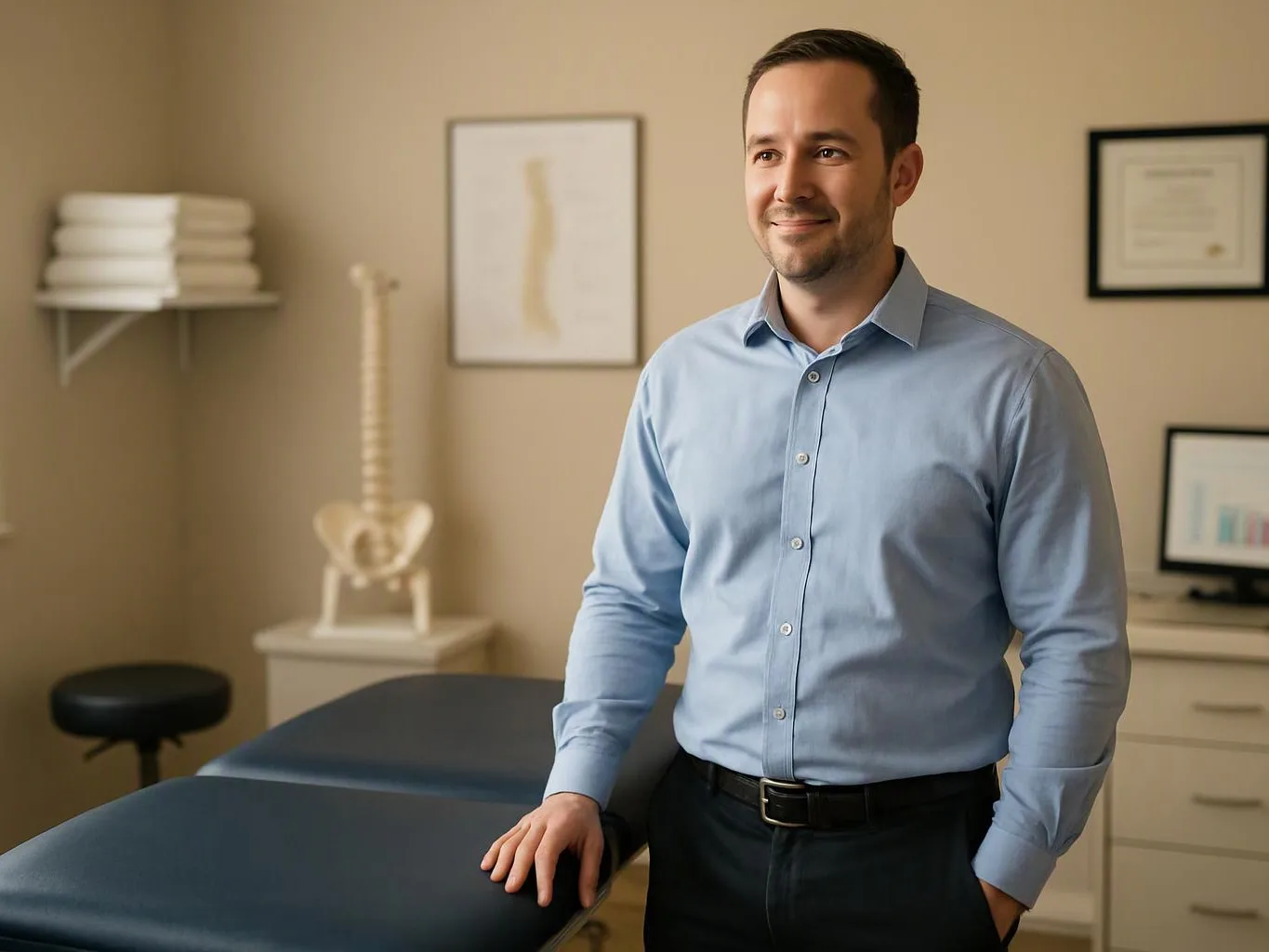
A smiling man in a blue shirt stands beside a treatment table in a clinic room

Service Overview

Myofascial Release Therapy is a hands-on treatment that applies focused pressure to tight muscle and fascia.

  • Soft tissue therapy works on muscles and connective tissue, while spinal adjustments focus on joint motion and alignment.
  • Advanced Injury Care Clinic provides this care for patients in Lakewood and nearby Middle Tennessee communities.

What Myofascial Release Therapy Includes for Your Visit

Advanced Injury Care Clinic provides comprehensive Myofascial Release Therapy in Lakewood. Here's what you get:

  • Your visit includes an individualized health history and movement evaluation.
  • We assess tight muscle areas, fascial restrictions, and related movement patterns.
  • Focused soft tissue therapy addresses areas identified during the evaluation.
  • Your care plan may include posture guidance and therapeutic exercises.
  • We explain the findings and the purpose of each recommended treatment.
  • Follow-up care can include a progress re-examination and rehabilitation support.

A client scenario this service addresses

A person in Lakewood with persistent muscle pain may seek care after self-care no longer supports normal movement. We would review the health history, check movement and nerve symptoms, then decide whether focused soft tissue therapy belongs in the care plan.

What You Get From a Care Plan Built Around Muscle Tension

A clear fit check before treatment

The first evaluation reviews symptoms, movement, health history, and nerve sensitivity. Myofascial release therapy is the wrong fit when symptoms suggest a condition that needs medical assessment first.

Treatment matched to the tissue problem

Soft tissue therapy focuses on tight fascia and muscle areas found during the exam. Your plan can also include posture guidance or exercises when those steps fit your goals.

Plain explanations at each stage

We explain the findings, the reason for each treatment, and what to watch between visits. Licensed chiropractor credentials are prominently displayed, and care plans are individualized and evidence-informed.

Process

How We Plan and Provide Muscle and Fascia Treatment

1

Review your health history

We discuss the pain pattern, injury history, current symptoms, and goals for care.

2

Check movement and tissue response

The evaluation looks at movement patterns, tight areas, fascial restrictions, and signs of nerve sensitivity.

3

Explain the care plan

We describe the findings and explain whether soft tissue therapy, posture guidance, or exercises fit the next step.

4

Apply focused hands-on care

Myofascial release therapy uses focused pressure on suitable muscle and fascia areas identified during the evaluation.

5

Review progress and next steps

A progress re-examination helps guide continued care, exercise changes, or rehabilitation support.

How Focused Muscle and Fascia Care May Help

Focused soft tissue work may support better mobility when tight tissue limits movement.

A clear assessment helps connect persistent muscle pain with posture and movement habits.

Therapeutic exercises give you active steps to support comfort between visits.

Care can be coordinated with spinal adjustments when the evaluation supports both approaches.

Regular maintenance may help you stay aware of changing tension and movement needs.

The Advanced Injury Care Clinic Standard

  • Assess Patient Condition
  • Tailored Care Plans
  • Clear Treatment Explanations
  • Monitor Patient Progress

Questions About Focused Muscle and Fascia Care

Can myofascial release therapy help with persistent muscle pain?

Muscle knots may respond to myofascial release therapy when tight fascia contributes to persistent pain. Advanced Injury Care Clinic checks movement, health history, and nerve symptoms first. Focused soft tissue therapy may then address suitable areas. Individual response differs, and the care plan can include posture guidance or exercises when those steps fit.

What should be checked before this treatment is scheduled?

A health history and movement exam should come before hands-on treatment. We check the pain pattern, injury history, movement limits, fascial restrictions, and nerve sensitivity. Those findings help us decide whether focused soft tissue therapy fits. New or changing weakness, numbness, or severe symptoms call for medical review before treatment.

Who is a good fit for myofascial release therapy, and who needs different care?

People with muscle tension, tight fascia, and movement limits may be good candidates after an evaluation. Our team uses the exam to identify a suitable treatment focus. Symptoms that suggest a serious condition, an untreated injury, or a need for medical care require a different clinical pathway before hands-on treatment.

What happens at each stage of myofascial release therapy?

The process starts with a health history and movement exam, followed by a care-plan discussion and focused soft tissue treatment when appropriate.

  1. We review symptoms and prior injuries.
  2. We assess movement and tissue response.
  3. We explain the treatment choice.
  4. We review exercises or follow-up care.

Which symptoms suggest nerve sensitivity instead of a simple tight muscle?

Numbness, tingling, weakness, or pain that travels can suggest nerve sensitivity rather than a simple tight muscle. Our evaluation records these symptoms and checks movement before treatment. Focused soft tissue care may not be the first step when the findings point toward another condition or a need for medical assessment.

How does soft tissue therapy differ from a spinal adjustment?

Soft tissue therapy works on muscles and fascia, while a spinal adjustment addresses joint movement. We choose one approach or combine approaches after the evaluation. Your symptoms, movement findings, injury history, and care goals guide that decision. Neither approach guarantees a specific result, and individual response differs.
Contact

Discuss Myofascial Release Therapy in Lakewood

Book a Free Consultation with Advanced Injury Care Clinic to discuss persistent muscle pain and your care goals. The first conversation helps us plan the evaluation and explain possible next steps.

A smiling man stands in a therapy room beside a skeleton model, exercise cushions, and treatment tables

The health and wellness information on this website is for general informational purposes only and is not medical advice. It does not create a provider-patient relationship. Always consult a qualified licensed provider in Hermitage, Tennessee, United States about your specific condition before making care decisions. Individual results vary.

(615) 265-0412