Skip to content

Spinal Decompression Therapy in Berry Hill, Tennessee

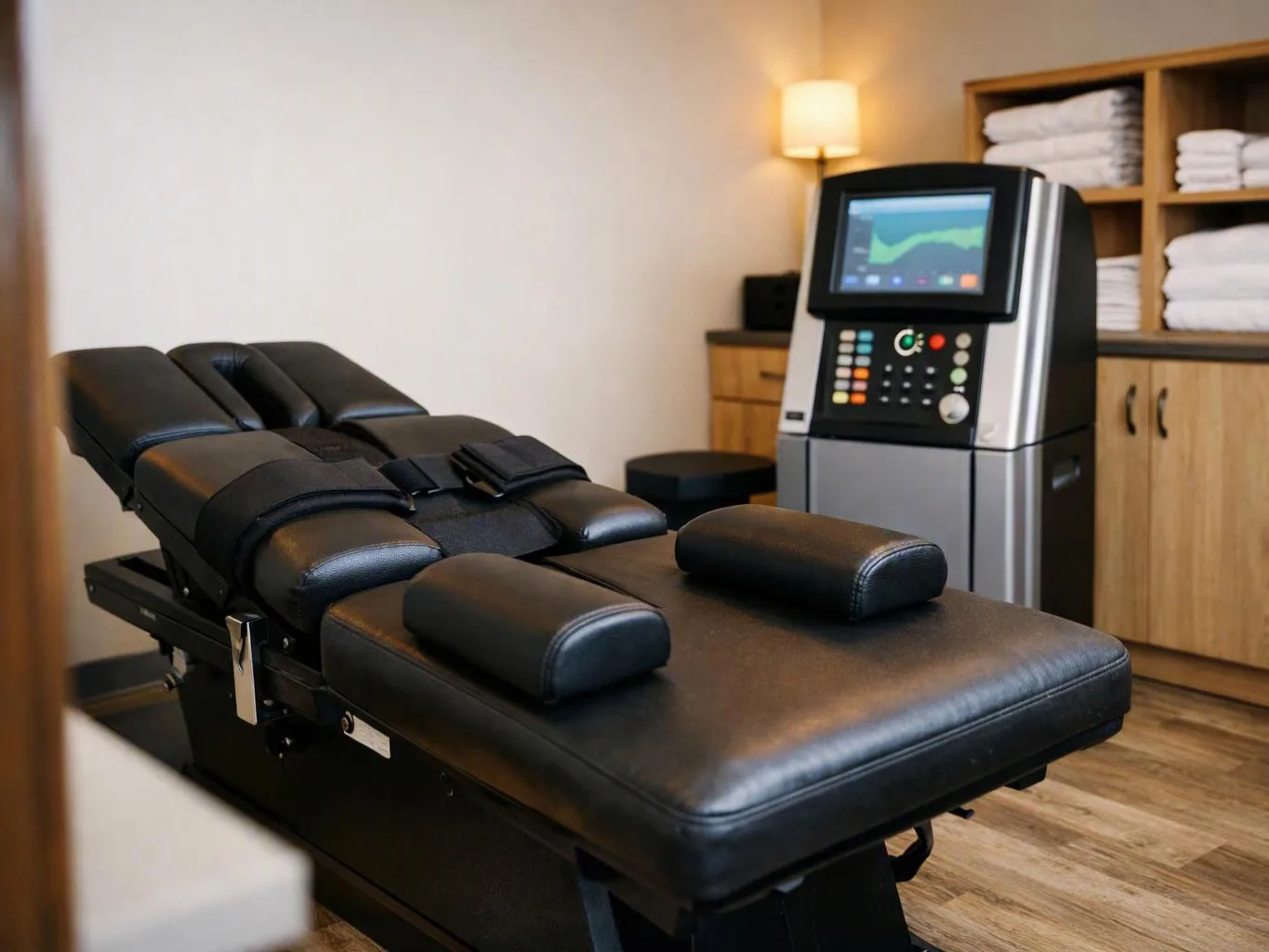
Harness system positioning begins spinal decompression therapy in Berry Hill. We match gentle traction and pressure cycles to your evaluation.

Upfront, Transparent PricingServing 18 CommunitiesMon-Fri: 9 am–7 pm, Sat: 9 am–2 pm, Sun: ClosedFast Scheduling

Quick Summary: Spinal decompression care in Berry Hill, Tennessee

Spinal Decompression Therapy in Berry Hill is provided by Advanced Injury Care Clinic for back pain, neck pain, sciatica, and related musculoskeletal concerns. The service includes an individualized evaluation and evidence-informed care for patients across Hermitage and nearby Middle Tennessee communities.

  • What we do: Advanced Injury Care Clinic provides Spinal Decompression Therapy for patients in Berry Hill, Tennessee.
  • What is included: Individualized evaluation, spinal decompression, gentle traction, pressure cycles, and rehabilitation support.
  • What you get: The treatment plan sets a clear course for supporting mobility and comfort.

Why does back pain keep happening after an injury?

Back pain can continue when irritated tissues, limited movement, or poor posture affect spinal function. An evaluation helps identify the main concern and decide whether spinal decompression therapy fits your care plan.
Spinal Decompression Therapy in Berry Hill, Tennessee: Choosing the Right Care

Spinal decompression therapy focuses on controlled traction for people with back pain, neck pain, sciatica, or discomfort after an injury. The visit starts with an individualized evaluation, not a preset treatment plan.

The main decision is whether gentle traction fits your symptoms and exam findings. A care plan may also include spinal adjustments, soft tissue therapy, therapeutic exercises, posture guidance, or rehabilitation support.

This service is not a substitute for urgent medical care when severe symptoms appear. Our team explains the findings and the next step in plain language, so you can make an informed choice.

  • Share when your pain began and what movements make it worse.
  • Bring relevant health information from an injury or prior treatment.
  • Ask how traction fits with adjustments, exercises, or soft tissue therapy.
  • Review the care plan before treatment begins.
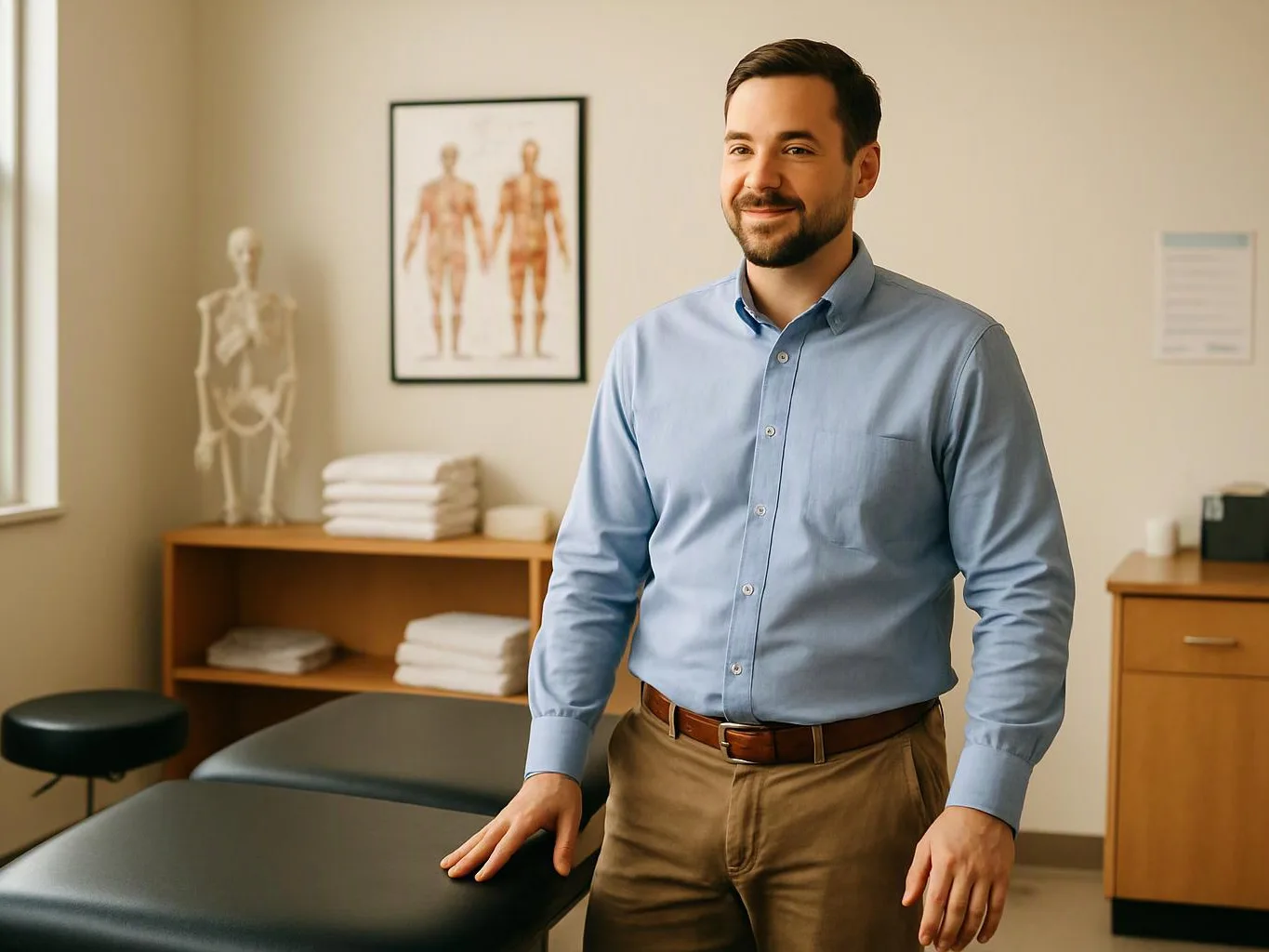
A smiling man stands beside exam tables in a medical room with anatomy charts and folded towels

Service Overview

Spinal decompression therapy is a non-invasive treatment that uses controlled traction to support spinal movement and comfort.

  • It differs from spinal adjustments because it uses gentle pressure cycles on a treatment table instead of a manual thrust.
  • Advanced Injury Care Clinic provides this care for Berry Hill patients and nearby Middle Tennessee communities.

What Spinal Decompression Therapy May Change

Controlled traction may support better spinal movement for some patients.

A focused plan helps connect treatment with the cause and pattern of your discomfort.

Care may support mobility when back or neck pain limits daily activity.

Combining table-based care with exercises can give you practical steps between visits.

Regular maintenance may help you stay engaged with posture and movement goals when it fits your plan.

What Spinal Decompression Therapy Includes

Advanced Injury Care Clinic provides comprehensive Spinal Decompression Therapy in Berry Hill. Here's what you get:

  • An individualized evaluation reviews your symptoms, health history, and movement concerns.
  • A treatment table supports your body during controlled traction.
  • Gentle traction and pressure cycles are adjusted to your care plan.
  • Our team checks your comfort during the session and explains what you may feel.
  • Follow-up planning connects decompression care with exercises, posture guidance, or rehabilitation support when appropriate.

When this service is the right fit

A person who works near Berry Hill may want care that fits around daily activity and ongoing back discomfort. We begin with an evaluation, then decide whether table-based traction belongs in the plan.

What You Get From This Decompression Approach

A fit check before treatment

The evaluation reviews symptoms, health history, and movement before traction begins. Spinal decompression therapy is the wrong fit when your condition calls for urgent medical care or a different treatment path.

Plain explanations of each step

Our team explains the treatment table, gentle traction, and pressure cycles before care starts. You can ask questions and understand how the plan relates to your symptoms.

Care that can connect with rehabilitation

The plan may include therapeutic exercises, posture guidance, soft tissue therapy, or spinal adjustments when those services match the evaluation.

Licensed chiropractic care

Licensed chiropractor credentials are prominently displayed, and our team uses an individualized, evidence-informed approach to treatment planning.

Process

How We Perform Spinal Decompression Therapy

1

Review symptoms and health history

The new patient intake covers your symptoms, injury history, health concerns, and daily movement limits.

2

Complete the individualized evaluation

Our team examines movement and symptoms, then explains the findings in clear language. X-rays may be considered if clinically indicated.

3

Position the body on the table

The treatment table supports your body while we prepare the planned traction approach.

4

Apply gentle traction and cycles

Gentle traction and pressure cycles follow the care plan. We check comfort and make adjustments when needed.

5

Review the next care step

A personalized treatment plan may connect decompression with spinal adjustments, soft tissue therapy, exercises, posture guidance, or rehabilitation support.

How Table-Based Traction Differs From Adjustments

These services use different methods, and the evaluation helps determine which approach fits.

Treatment approachMain methodWhat the evaluation decides
Spinal decompression therapySupported table with gentle traction and pressure cyclesWhether controlled traction fits the symptoms and care plan
Spinal adjustmentManual movement of a spinal jointWhether an adjustment fits the findings and treatment goals
Soft tissue therapyHands-on work for muscles and related soft tissueWhether muscle tension or tissue sensitivity needs attention

The Advanced Injury Care Clinic Standard

  • Assess Patient Condition
  • Tailored Care Plans
  • Clear Treatment Explanations
  • Monitor Patient Progress

Questions About Spinal Decompression Therapy

What happens during spinal decompression therapy?

Advanced Injury Care Clinic positions the harness system while you rest on a supported treatment table. Gentle traction and pressure cycles then follow your care plan. Our team checks comfort throughout the session and explains what each step does. The first visit also includes an evaluation, so treatment matches your symptoms and health history.

How is spinal decompression matched to my condition?

The evaluation matches traction to your symptoms, movement findings, and health history. Our team reviews where discomfort occurs and what activities affect it. X-rays may be considered if clinically indicated. The care plan can include decompression alone or related services such as exercises, posture guidance, or soft tissue therapy.

What should I ask before agreeing to this treatment?

Your care plan should explain why traction fits your symptoms and what other treatments may be included. Ask about the table setup, pressure cycles, comfort checks, and follow-up plan. You can also ask how progress will be reviewed and what signs should prompt a change in care.

Which condition changes the time needed for treatment?

Your symptoms and evaluation findings influence the treatment plan and the time needed for each visit. Back pain, neck pain, sciatica, and whiplash can call for different care choices. Our team reviews the plan with you instead of assigning a fixed duration without an assessment.

Can decompression replace a spinal adjustment?

Spinal decompression therapy and spinal adjustments use different methods, so one does not automatically replace the other. Traction uses a supported table and pressure cycles, while an adjustment uses a manual technique. Our team decides whether either service, or both, fit the evaluation.

Do I need a referral before an evaluation?

A referral is not stated as a requirement for the evaluation described by the clinic. Bring health information that helps explain your symptoms or injury. Our team reviews your history and findings, then explains whether decompression therapy belongs in your personalized plan.

When should back pain receive medical attention first?

Severe or sudden symptoms should receive medical attention before chiropractic treatment. Seek urgent care for serious warning signs such as major weakness, loss of bladder or bowel control, or symptoms after a severe injury. Our team can discuss chiropractic care after urgent concerns receive proper attention.
Contact

Discuss Spinal Decompression Therapy in Berry Hill

Start with a consultation and an individualized evaluation. Advanced Injury Care Clinic will review your symptoms, explain whether table-based traction fits, and outline the next care step.

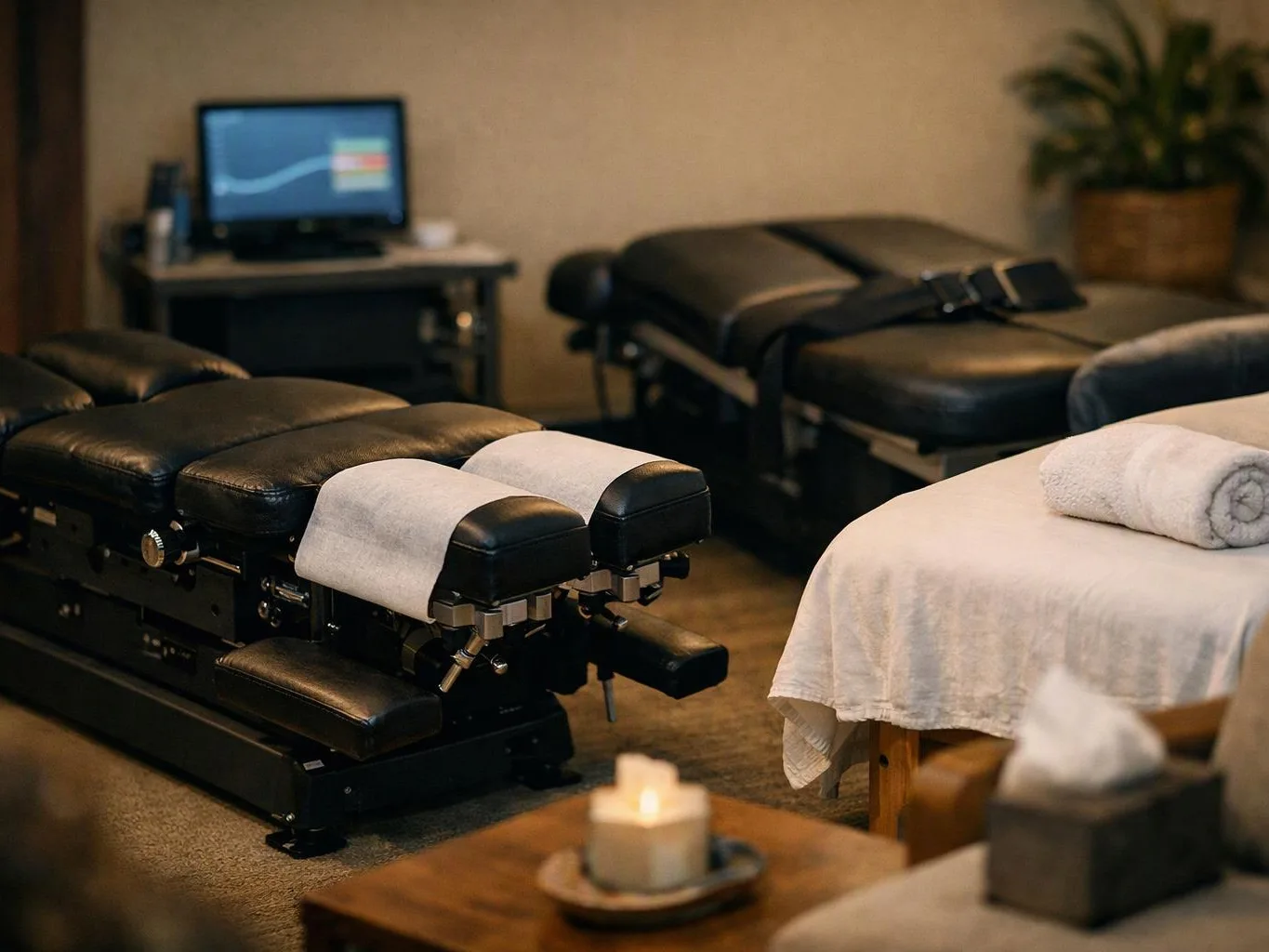
A black treatment chair sits in a clean room beside a control machine, shelves, and folded towels

Spinal Decompression Therapy in Other Areas

The health and wellness information on this website is for general informational purposes only and is not medical advice. It does not create a provider-patient relationship. Always consult a qualified licensed provider in Hermitage, Tennessee, United States about your specific condition before making care decisions. Individual results vary.

(615) 265-0412