Skip to content

Spinal Decompression Therapy in Millersville, Tennessee

Chronic back pain gets an individualized check in Millersville before we discuss spinal decompression therapy. Our team reviews your symptoms and goals first.

Upfront, Transparent PricingServing 18 CommunitiesMon-Fri: 9 am–7 pm, Sat: 9 am–2 pm, Sun: ClosedFast Scheduling

Quick Summary: Spinal decompression care in Millersville, Tennessee

Spinal decompression therapy in Millersville is provided by Advanced Injury Care Clinic for back pain, sciatica symptoms, and other spine-related concerns. Care includes an individualized evaluation and a treatment plan that may include spinal decompression, adjustments, soft tissue therapy, and exercises.

  • What we do: Advanced Injury Care Clinic provides spinal decompression therapy for patients in Millersville, Tennessee, after an individualized evaluation.
  • What is included: Individualized evaluations, spinal decompression, spinal adjustments, soft tissue therapy, therapeutic exercises, posture guidance, and rehabilitation support.
  • What you get: The treatment plan gives the patient a clear care path for improving mobility and supporting lasting comfort.

Why does chronic back pain keep returning after treatment?

Chronic back pain can return when the cause, movement pattern, or daily strain remains. An evaluation helps identify symptoms that may relate to sciatica, disc concerns, posture, or reduced mobility. Care should match the findings, and spinal decompression therapy is considered only when it fits the patient’s needs.


Spinal Decompression Therapy for Chronic Back Pain in Millersville

Spinal decompression therapy is a focused option for people whose back symptoms affect movement, work, sleep, or daily tasks. The right choice depends on the health history, exam findings, symptom pattern, and any imaging that is clinically indicated.

This page helps you decide whether a decompression consultation fits your concerns. We look at sciatica symptoms, bulging discs, degenerative discs, and spinal stenosis as part of the broader assessment, but we don't promise one treatment for every condition.

Our practitioner position is simple: a careful evaluation should come before a treatment choice. A clear explanation helps you understand what the care plan includes and when another type of medical care may be more suitable.

  • Bring a list of current symptoms, past injuries, and treatments you have tried.
  • Share any medical records or imaging that relate to your spine.
  • Ask how spinal decompression fits with adjustments, exercises, or rehabilitation support.
  • Discuss what will be checked before treatment begins.
A smiling man in a light blue shirt stands in a clinic room holding tan folders

Service Overview

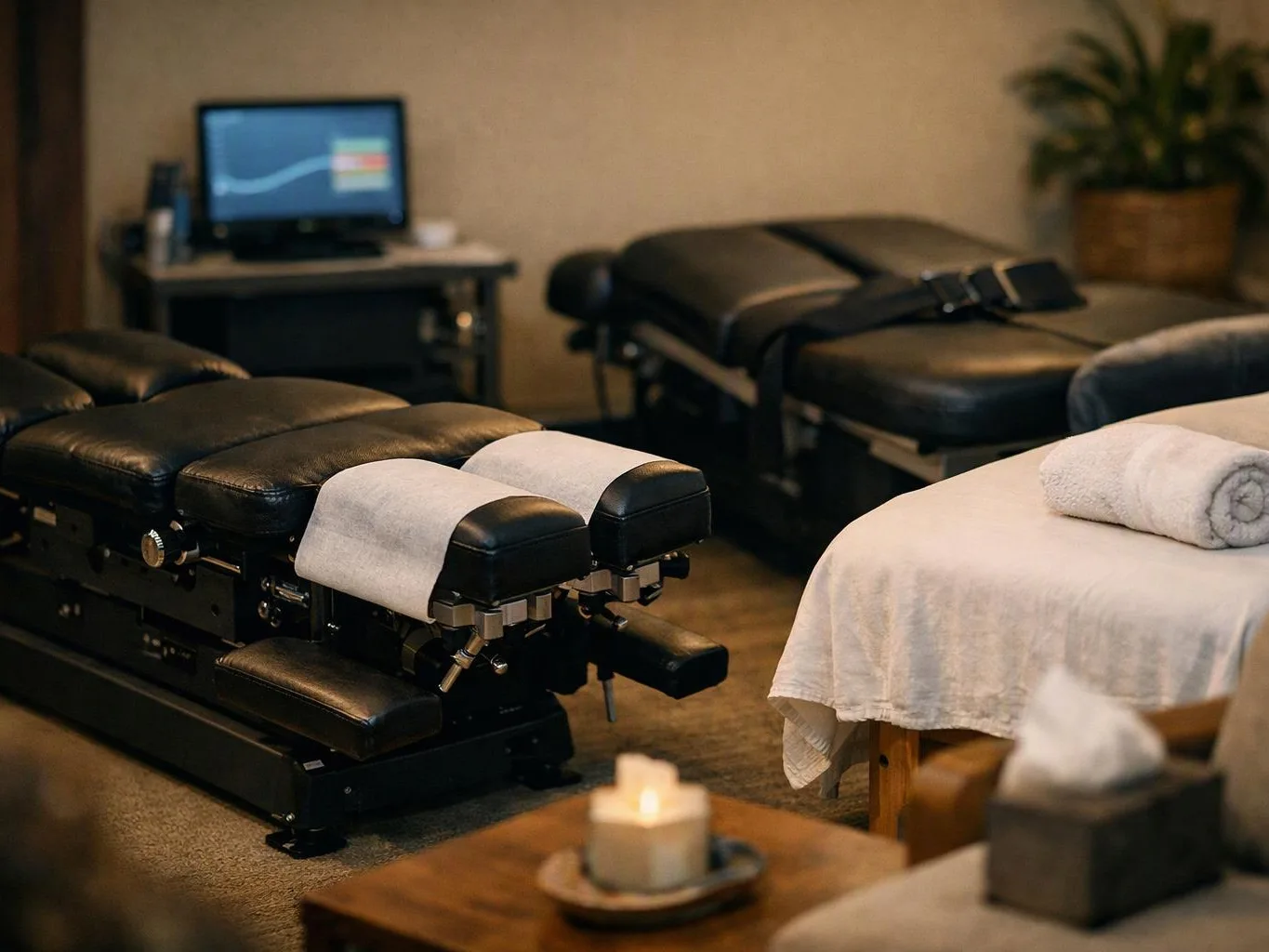
Spinal decompression therapy is a non-invasive treatment that uses controlled traction to reduce stress on parts of the spine.

  • It differs from spinal adjustments because decompression focuses on gentle traction, while adjustments use a directed movement of a spinal joint.
  • We provide this care for Millersville patients and nearby Middle Tennessee communities.

What Spinal Decompression Therapy May Change

Gentle traction may help reduce stress around irritated spinal areas.

A focused plan can support better mobility during daily activities.

Care may help connect symptom relief work with posture and exercise habits.

Regular maintenance may support continued movement after the main concern improves.

Clear findings help you decide whether decompression fits your care goals.

What Spinal Decompression Therapy Includes for Your Visit

Advanced Injury Care Clinic provides comprehensive Spinal Decompression Therapy in Millersville. Here's what you get:

  • We begin with a new patient intake, health history, and physical examination.
  • We review back pain, sciatica symptoms, disc concerns, and movement limits.
  • We consider X-rays if they are clinically indicated.
  • We explain the findings and outline a personalized treatment plan.
  • Treatment may include spinal decompression, soft tissue therapy, or spinal adjustments.
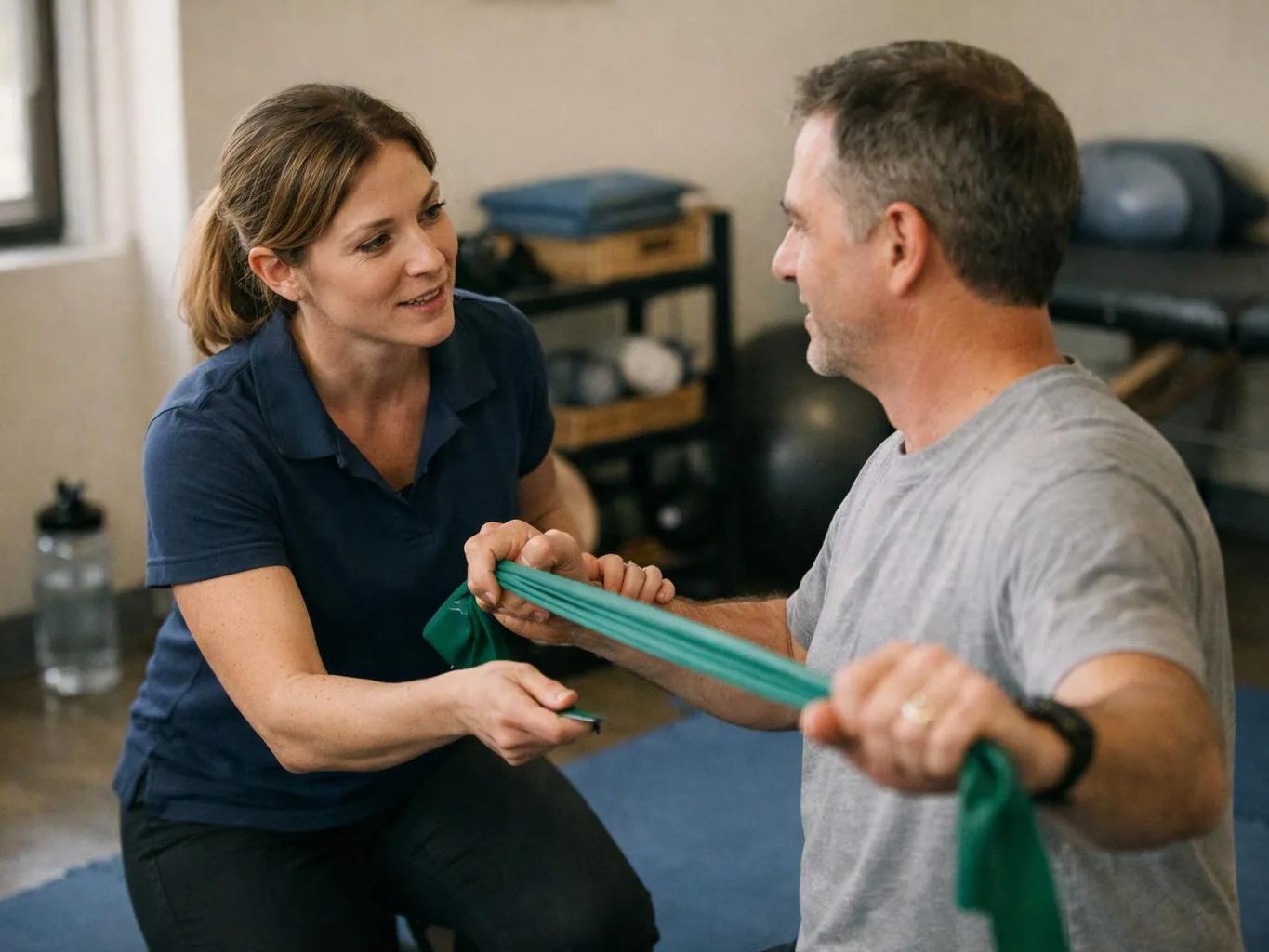
  • We may add therapeutic exercises, posture guidance, and rehabilitation support.
Process

How Spinal Decompression Care Is Planned

1

Complete the new patient intake

We record your health history, symptoms, past injuries, and current concerns before choosing a treatment approach.

2

Check movement and spine symptoms

We examine movement, symptom location, and related concerns such as sciatica, disc stress, or spinal stenosis.

3

Review imaging when indicated

We consider X-rays when clinical findings show that imaging could help guide the assessment.

4

Explain the report of findings

We discuss what we found and answer questions about decompression, adjustments, exercises, and other care options.

5

Set the personalized care plan

We outline the recommended treatment and check progress through follow-up evaluations.

How We Approach Spinal Decompression Care

Start with the symptom pattern

We review where symptoms travel, what movements affect them, and how they change during daily tasks. Spinal decompression is not the right job for every condition, especially when the evaluation points to a need for different medical care.

Match care to the findings

An individualized, evidence-informed treatment plan may combine decompression with adjustments, soft tissue therapy, or exercise. We explain why each part is included.

Explain the next step

Licensed chiropractor credentials are prominently displayed, and we give clear explanations of the diagnosis, care options, and progress checks.

Spinal Decompression and Related Care Options

This comparison shows how common care options differ in method and purpose.

Care optionMain methodHow we use it
Spinal decompressionControlled tractionConsidered for selected spine-related symptoms after evaluation
Spinal adjustmentDirected movement of a spinal jointUsed to address joint movement within the care plan
Therapeutic exerciseGuided movement and strengtheningUsed to support mobility, posture, and rehabilitation goals

The Advanced Injury Care Clinic Standard

  • Assess Patient Condition
  • Tailored Care Plans
  • Clear Treatment Explanations
  • Monitor Patient Progress

Questions About Spinal Decompression Therapy

Who may benefit from spinal decompression therapy?

People with chronic back pain may benefit when an evaluation links symptoms to a condition that fits decompression care. Advanced Injury Care Clinic reviews sciatica symptoms, bulging discs, degenerative discs, and spinal stenosis before recommending a plan. Individual response differs, so the consultation must guide the treatment choice.

How does the first evaluation decide whether decompression fits?

The first evaluation compares your symptoms, health history, movement, and clinical findings with the goals of decompression care. We also consider X-rays when clinically indicated. The report of findings explains whether spinal decompression, adjustments, exercises, or another care path best fits the assessment.

What should I bring to a spinal decompression consultation?

Relevant medical records, imaging reports, and a list of current symptoms help us assess your concerns. Include details about past injuries, treatments, and medicines when they relate to your health history. Those details help our team build a more useful personalized treatment plan.

Which part of the care plan changes the price?

The treatment plan changes the cost because related services can differ from one patient to another. The evaluation may lead to decompression, adjustments, soft tissue therapy, exercises, or a combination. A free consultation gives you a chance to discuss the recommended care before making a decision.

Why might a chiropractor use exercises with decompression?

Therapeutic exercises support movement and posture while decompression addresses the treatment goal identified during the evaluation. Exercises may focus on control, strength, or mobility. Our team explains how each exercise relates to your findings and adjusts the plan through follow-up checks.

When should back symptoms receive urgent medical attention?

Back symptoms need urgent medical attention when they include severe weakness, loss of bladder or bowel control, or sudden numbness in the groin area. Those warning signs require prompt medical evaluation. Our clinic can discuss routine care concerns, but urgent symptoms should not wait for a standard consultation.

What makes decompression different from a spinal adjustment?

Spinal decompression uses controlled traction, while a spinal adjustment uses a directed movement of a spinal joint. Both approaches require an assessment before treatment. We explain which method fits the findings and whether combining care with exercises or soft tissue therapy makes sense.
Contact

Discuss Spinal Decompression Therapy in Millersville

Get a clear assessment of your chronic back pain and learn whether spinal decompression fits your care plan. Book a free consultation with Advanced Injury Care Clinic.

Spinal Decompression Therapy in Other Areas

The health and wellness information on this website is for general informational purposes only and is not medical advice. It does not create a provider-patient relationship. Always consult a qualified licensed provider in Hermitage, Tennessee, United States about your specific condition before making care decisions. Individual results vary.

(615) 265-0412