Skip to content

Spinal Decompression Therapy in Smyrna, Tennessee

The harness system's fit and load needs guide spinal decompression therapy in Smyrna. We check those details before treatment begins.

Upfront, Transparent PricingServing 18 CommunitiesMon-Fri: 9 am–7 pm, Sat: 9 am–2 pm, Sun: ClosedFast Scheduling

Quick Summary: Spinal decompression care in Smyrna, Tennessee

Spinal Decompression Therapy in Smyrna is provided by Advanced Injury Care Clinic for back pain, neck pain, sciatica, and injury-related discomfort. Care begins with an individualized evaluation and may include spinal decompression, soft tissue therapy, and rehabilitation support.

  • What we do: Advanced Injury Care Clinic provides Spinal Decompression Therapy for patients in Smyrna, Tennessee.
  • What is included: Care includes an individualized evaluation, spinal decompression, soft tissue therapy, therapeutic exercises, and posture guidance.
  • What you get: The treatment plan identifies whether spinal decompression fits the patient's symptoms and mobility goals.

Why does back pain keep returning after an injury, and when should I ask about spinal decompression therapy?

Recurring back pain can reflect ongoing strain, reduced movement, or an injury that needs further review. An individualized evaluation helps determine whether spinal decompression therapy fits the symptoms. Severe or sudden symptoms need prompt medical attention.

Scope and Service Overview for Smyrna

In Smyrna, we focus on practical, well-documented outcomes matched to your needs.

The main decision is whether traction fits your symptoms and health history. Our team reviews your condition before treatment, explains the care plan, and considers other options such as spinal adjustments, soft tissue therapy, or therapeutic exercises.

This page focuses on what happens during the treatment itself. The harness system, pressure cycles, and treatment table all matter because comfort and fit affect how care is delivered. Results vary, and individual response differs.

  • Ask how the harness system will fit your body.
  • Confirm which symptoms the evaluation will review.
  • Request an explanation of the treatment table and traction process.
  • Discuss how spinal decompression fits the wider care plan.
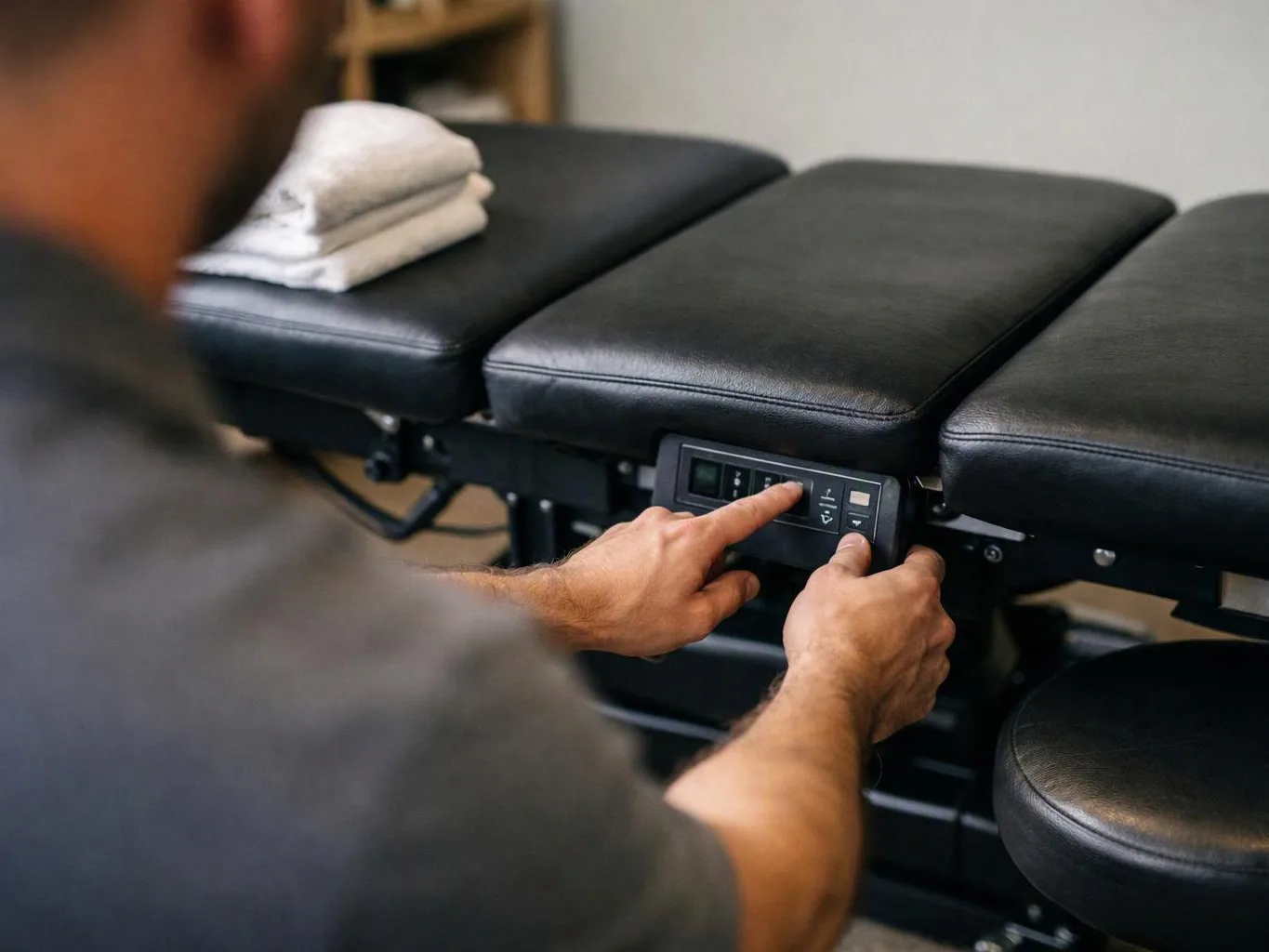
A person adjusts the controls on a black padded treatment table in a quiet room

Service Overview

Spinal decompression therapy is a non-invasive treatment that uses controlled traction to support comfort and movement.

  • It differs from spinal adjustments because it uses gradual traction and pressure cycles instead of a quick joint adjustment.
  • Advanced Injury Care Clinic provides this care for patients in Smyrna and nearby Middle Tennessee communities.

What this traction-based care may help you do

Controlled traction may help support better mobility for some patients.

A structured treatment plan gives you a clearer path for managing back or neck discomfort.

Gentle pressure cycles may provide a non-invasive option for selected musculoskeletal concerns.

Posture guidance and therapeutic exercises can support movement between appointments.

Care after an injury includes a review of symptoms before treatment choices are made.

Process

How spinal decompression treatment is done

1

Review symptoms and health history

We complete a new patient intake and individualized evaluation. The review covers your symptoms, injury history, movement concerns, and treatment goals.

2

Check harness system fit

The harness system is positioned for comfort and proper support. We explain what you will feel and answer questions before traction begins.

3

Position you on the treatment table

We place you on the spinal decompression table and confirm that your body position supports the planned care.

4

Apply gentle traction and pressure cycles

Controlled traction and pressure cycles deliver the planned treatment. We monitor your comfort and discuss any concerns during the session.

5

Review the next care step

We explain how the session fits your personalized treatment plan. Follow-up care may include exercises, posture guidance, or soft tissue therapy.

How we approach spinal decompression decisions

Start with fit and suitability

The harness system must fit comfortably, and the treatment must suit your symptoms. We review both points before care begins.

Explain each treatment stage

We describe the treatment table, gentle traction, and pressure cycles in plain language. You can ask questions before the plan moves forward.

Connect care to movement

Spinal decompression may form part of a wider plan with soft tissue therapy, posture guidance, or therapeutic exercises.

Know when another service fits

This treatment is not the right choice for every condition. We may recommend a different evaluation or care approach when traction does not fit your symptoms.

What spinal decompression care includes

Advanced Injury Care Clinic provides comprehensive Spinal Decompression Therapy in Smyrna. Here's what you get:

  • We begin with an individualized evaluation and review of your health history.
  • We assess whether controlled traction suits your symptoms and treatment goals.
  • We position you on a spinal decompression table for the planned care.
  • We explain how the harness system and pressure cycles will be used.
  • We may combine care with soft tissue therapy, posture guidance, or therapeutic exercises.
  • We explain the care plan and discuss progress during follow-up visits.

How traction-based care differs from an adjustment

This table compares two chiropractic approaches that may be discussed during an individualized evaluation.

Treatment approachMain actionWhen the discussion applies
Spinal decompression therapyUses controlled traction and pressure cycles on a treatment table.Considered when gradual traction may fit the patient's symptoms and goals.
Spinal adjustmentUses a targeted manual or instrument-assisted movement.Considered when the evaluation supports an adjustment-based approach.

The Advanced Injury Care Clinic Standard

  • Assess Patient Condition
  • Tailored Care Plans
  • Clear Treatment Explanations
  • Monitor Patient Progress

Questions about spinal decompression treatment

What happens during spinal decompression therapy?

The harness system supports your position while Advanced Injury Care Clinic applies gentle traction through a treatment table. We first review your symptoms and explain the plan. During care, pressure cycles guide the traction, and we check your comfort. Follow-up planning may include exercises, posture guidance, or other chiropractic treatment.

What should be checked before spinal decompression therapy is scheduled?

The initial evaluation should review your symptoms, health history, movement, and injury details. We use those findings to decide whether traction fits your needs. Relevant imaging or records can help when they are available and clinically useful. The care plan also explains other treatment options that may fit better.

Who is a good fit for spinal decompression therapy, and who needs a different service?

Patients with selected back, neck, or musculoskeletal concerns may fit this treatment after an evaluation. We review symptoms before recommending traction. A different service may be more suitable when the condition needs another type of medical assessment or when traction does not match the person's health history. Individual response differs.

Which part of the treatment changes the cost?

The treatment plan, evaluation needs, and related services determine the cost. A plan that includes soft tissue therapy, exercises, or posture guidance differs from a session focused on traction alone. Free Consultations allow you to discuss the expected care before treatment decisions are made.

When should someone ask about spinal decompression after an injury?

An evaluation is appropriate when back or neck discomfort continues after an injury and affects movement or daily activity. We review symptoms before choosing traction. People with severe, sudden, or worsening symptoms should seek prompt medical attention. Injury records can help us understand the concern during the consultation.

Why does the harness system matter during treatment?

The harness system helps position and support the body during controlled traction. Proper fit affects comfort and how the treatment table delivers pressure cycles. We check the fit before starting and invite you to report discomfort. The setup is part of the treatment plan, not a separate diagnosis.

How does spinal decompression differ from an adjustment?

Spinal decompression uses gradual traction and pressure cycles, while an adjustment uses a specific manual or instrument-assisted movement. We decide which approach fits after reviewing your symptoms and goals. Some care plans may include both decompression and spinal adjustments, but treatment choices remain individualized.
Contact

Discuss spinal decompression therapy in Smyrna

Are you dealing with back or neck discomfort and wondering if traction fits? Contact Advanced Injury Care Clinic to request a consultation about your symptoms and care options.

A man gestures while talking to a woman seated across from him in a softly lit room

ZIP Codes We Serve in Smyrna, Tennessee

37167

Spinal Decompression Therapy in Other Areas

The health and wellness information on this website is for general informational purposes only and is not medical advice. It does not create a provider-patient relationship. Always consult a qualified licensed provider in Hermitage, Tennessee, United States about your specific condition before making care decisions. Individual results vary.

(615) 265-0412