

Skip to content

Spinal Decompression Therapy in Mount Juliet, Tennessee

Assessing disc irritation helps guide spinal decompression therapy in Mount Juliet. We review your symptoms and treatment sensitivity before choosing a care plan.

Upfront, Transparent PricingServing 18 CommunitiesMon-Fri: 9 am–7 pm, Sat: 9 am–2 pm, Sun: ClosedFast Scheduling

Quick Summary: Spinal decompression care in Mount Juliet, Tennessee

Spinal Decompression Therapy in Mount Juliet is provided by Advanced Injury Care Clinic for disc irritation, back pain, and related movement concerns. Care includes an individualized evaluation, clear explanations, and treatment planning for Mount Juliet and nearby Middle Tennessee communities.

  • What we do: Advanced Injury Care Clinic provides Spinal Decompression Therapy for patients in Mount Juliet, Tennessee, using an individualized evaluation and care plan.
  • What is included: The clinic evaluates symptoms and may combine spinal decompression with soft tissue therapy, therapeutic exercises, posture guidance, and rehabilitation support.
  • What you get: The patient receives a clear care plan that addresses symptoms, treatment sensitivity, and movement goals.

Are there warning signs after spinal decompression therapy in Mount Juliet, Tennessee?

New or worsening symptoms after spinal decompression therapy deserve prompt discussion with the clinic. Mild muscle soreness or temporary discomfort may occur, but sharp, spreading, or unusual symptoms need review before another treatment.

Spinal Decompression Therapy in Mount Juliet for Disc Irritation

Spinal decompression therapy focuses on symptoms that may involve disc irritation, back pain, or limited movement. The right choice depends on your health history, exam findings, symptom pattern, and treatment sensitivity.

This page helps you decide whether a careful assessment fits your situation. It also explains the difference between temporary treatment discomfort and symptoms that need a new review.

Our team may combine decompression with soft tissue therapy, therapeutic exercises, posture guidance, or rehabilitation support. The goal is a reasoned care plan, not a preset sequence for every patient.

  • Your health history and current symptoms are reviewed before treatment.
  • Treatment sensitivity is considered when the care plan is formed.
  • Symptom changes are discussed during follow-up care.
  • Spinal decompression may be paired with exercises or soft tissue therapy.
A stack of folded woven cloths sits on a gray fabric surface beside a textured black roll

Service Overview

Spinal decompression therapy is a non-invasive treatment approach that uses controlled unloading to support patients with back-related symptoms.

  • Spinal decompression differs from spinal adjustments because it uses gradual traction rather than a quick manual movement.
  • Advanced Injury Care Clinic provides this care for patients in Mount Juliet.

How we approach spinal decompression decisions

Individualized symptom review

Your symptoms, health history, and movement findings guide the treatment choice. We do not treat every patient with the same plan.

Clear treatment explanations

We explain what spinal decompression involves and discuss expected sensations before care begins. Licensed chiropractor credentials are prominently displayed at the clinic.

A careful safety boundary

Severe or unexplained symptom changes call for further clinical review. Spinal decompression is not the right next step for every condition, so we reassess when the findings do not fit.

Process

How we provide spinal decompression care

1

Review your health history

We discuss your injury history, pain pattern, movement limits, and current health concerns.

2

Complete the clinical evaluation

We assess movement and symptoms, with X-rays if clinically indicated.

3

Explain the findings

We provide a clear report of findings and discuss whether spinal decompression fits your needs.

4

Set the care plan

We may combine controlled decompression with soft tissue therapy, exercises, posture guidance, or rehabilitation support.

5

Review your response

We discuss muscle soreness, temporary discomfort, treatment sensitivity, and symptom changes during follow-up care.

What spinal decompression care includes

Advanced Injury Care Clinic provides comprehensive Spinal Decompression Therapy in Mount Juliet. Here's what you get:

  • We begin with an individualized evaluation of your health history, symptoms, and movement.
  • We explain the findings and discuss whether spinal decompression fits your care plan.
  • We provide controlled spinal decompression treatment based on your clinical needs.
  • We check for muscle soreness, temporary discomfort, and other symptom changes.
  • We may add soft tissue therapy, therapeutic exercises, or posture guidance.
  • We explain follow-up steps and how regular maintenance may support ongoing mobility.

What this treatment may change for you

A structured evaluation helps connect your symptoms with a suitable care plan.

Controlled decompression may support better mobility for some patients.

Clear instructions help you recognize treatment sensitivity and report changes early.

Therapeutic exercises can support movement between visits.

Care after an injury can include more than one treatment method when clinically appropriate.

Treatment choices for back-related symptoms

These options differ by method and purpose, so the evaluation guides the choice.

Care optionMain methodHow it may fit
Spinal decompression therapyControlled traction through a treatment tableMay fit selected back-related symptoms after evaluation
Spinal adjustmentsManual movement of spinal jointsMay be included when the care plan supports it
Therapeutic exercisesGuided movement and strengthening workMay support mobility and daily function

The Advanced Injury Care Clinic Standard

  • Assess Patient Condition
  • Tailored Care Plans
  • Clear Treatment Explanations
  • Monitor Patient Progress

Questions about spinal decompression therapy

Are there risks associated with spinal decompression therapy?

Disc irritation treatment can involve mild muscle soreness, temporary discomfort, or treatment sensitivity. Individual response differs, so new or worsening symptoms should be reported before another visit. Our team reviews your health history and symptoms first, then explains the treatment and checks how your body responds.

How does a spinal decompression visit move from the first call to the last step?

The visit moves from consultation to evaluation, findings, treatment planning, and follow-up review. We discuss your health history and symptoms first. X-rays may be considered if clinically indicated. The care plan may include controlled decompression, exercises, or soft tissue therapy, followed by a review of symptom changes.

Which part of the evaluation decides whether spinal decompression fits?

The health history and movement exam guide the decision about spinal decompression. We review symptom location, injury history, movement limits, and treatment sensitivity. These findings help us decide whether decompression belongs in the plan or whether another clinical approach needs attention first.

Which treatment concern should I report after a visit?

Sharp, spreading, or worsening symptoms should be reported after treatment. Mild muscle soreness or temporary discomfort can occur, but symptom changes still deserve review. We use your response to discuss whether the plan should continue, change, or pause for further evaluation.

What affects the price of my spinal decompression care plan?

The evaluation findings and services included in the care plan affect the cost. A plan may include decompression, exercises, soft tissue therapy, or rehabilitation support. We discuss those choices during a Free Consultation and explain how to request details for your individual care.

When should I ask about spinal decompression after an injury?

Ask about spinal decompression after an injury when back pain, movement limits, or related symptoms continue and need assessment. Our team reviews the injury history before selecting care. Whiplash and other musculoskeletal concerns may call for a broader plan that includes exercises or soft tissue therapy.
Contact

Discuss spinal decompression therapy in Mount Juliet

Are back pain or treatment sensitivity affecting your next step? Contact Advanced Injury Care Clinic to discuss spinal decompression therapy, request a Free Consultation, and review your care options.

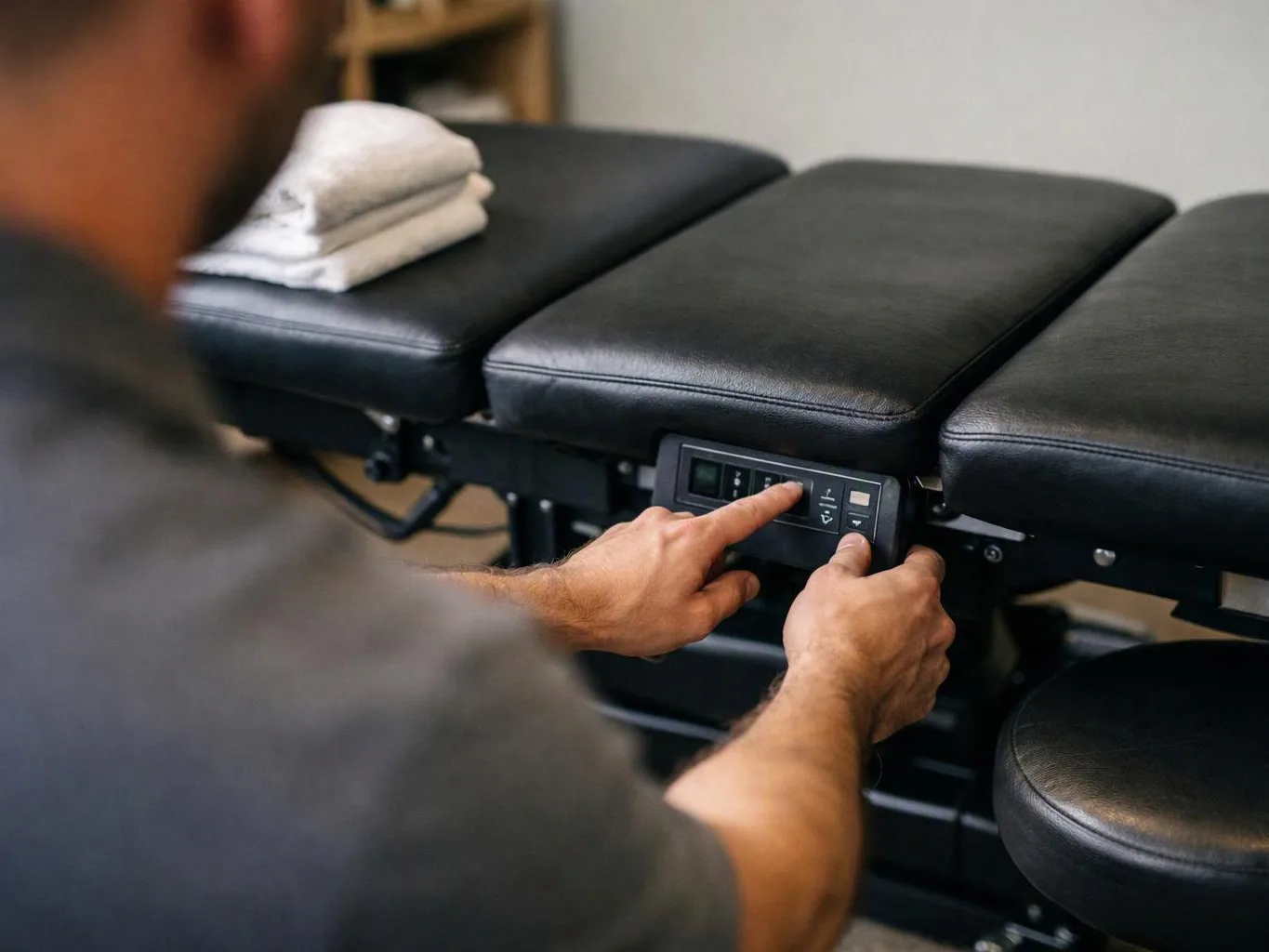
A person adjusts the controls on a black padded treatment table in a quiet room

ZIP Codes We Serve in Mount Juliet, Tennessee

3712137122

Spinal Decompression Therapy in Other Areas

The health and wellness information on this website is for general informational purposes only and is not medical advice. It does not create a provider-patient relationship. Always consult a qualified licensed provider in Hermitage, Tennessee, United States about your specific condition before making care decisions. Individual results vary.

(615) 265-0412