Skip to content

Trigger Point Therapy in Belle Meade, Tennessee

Trigger points are checked for tender muscle bands that may refer pain in Belle Meade. We use the findings to guide focused soft tissue care.

Upfront, Transparent PricingServing 18 CommunitiesMon-Fri: 9 am–7 pm, Sat: 9 am–2 pm, Sun: ClosedFast Scheduling

Quick Summary: Trigger Point Care in Belle Meade, Tennessee

Trigger point therapy in Belle Meade is provided by Advanced Injury Care Clinic for referred muscle pain, tender muscle bands, and limited mobility. Care includes an individualized evaluation and an evidence-informed treatment plan for patients across Belle Meade and nearby Middle Tennessee communities.

  • What we do: Advanced Injury Care Clinic provides trigger point therapy in Belle Meade, Tennessee, with focused soft tissue care and an individualized evaluation.
  • What is included: The care plan may address referred pain, muscle tension, restricted movement, and related back, neck, shoulder, or headache symptoms.
  • What you get: The customer receives a clearer understanding of the painful area and a treatment plan that supports better movement.

How can trigger point therapy relieve referred muscle pain?

Trigger points may refer pain away from the tight muscle band. We check the painful area and nearby movement patterns, then apply focused soft tissue care when it fits the findings.


Trigger Point Therapy for Referred Muscle Pain in Belle Meade

This service is for people who feel a deep knot, a sore band, or pain that seems to spread from one area. The main decision is whether the symptoms fit a muscle-based pattern or need a different form of care.

A trigger point may feel tender when pressed, but the pain can show up elsewhere. For example, a tight muscle near the neck may relate to headaches, while shoulder tension may affect arm movement. Our team checks the pain pattern, range of motion, and health history before choosing care.

The treatment has limits. It may not fit every source of pain, especially when symptoms suggest a condition that needs another form of medical assessment. We explain the findings and discuss whether soft tissue therapy, spinal adjustments, exercises, or rehabilitation support belong in the plan.

  • The evaluation checks the painful muscle area and the pattern of referred pain.
  • Range of motion and nearby joint movement help guide the care plan.
  • Soft tissue therapy is used when the findings support a muscle-based approach.
  • Spinal adjustments and therapeutic exercises may be included when clinically appropriate.
  • The plan is reviewed as symptoms and movement change.
A woman takes notes while talking with a man in a calm 상담 room

Service Overview

Trigger point therapy is a soft tissue treatment that addresses tender muscle bands linked with local or referred pain.

  • Soft tissue therapy focuses on muscle tension, while spinal adjustments address joint movement when the evaluation supports both.
  • Advanced Injury Care Clinic provides this care for patients in Belle Meade and nearby Middle Tennessee communities.
Process

How We Carry Out Focused Muscle Treatment

1

Review your health history

We discuss your symptoms, past injuries, daily activities, and main movement concerns during the new patient intake.

2

Check the pain pattern

We examine tender muscle bands, nearby joints, range of motion, and the way discomfort travels from one area to another.

3

Explain the findings

Our team describes what the exam shows and answers questions about the likely source of your symptoms.

4

Apply focused soft tissue care

We use hands-on soft tissue therapy when the findings support that approach and the treatment is suitable for your needs.

5

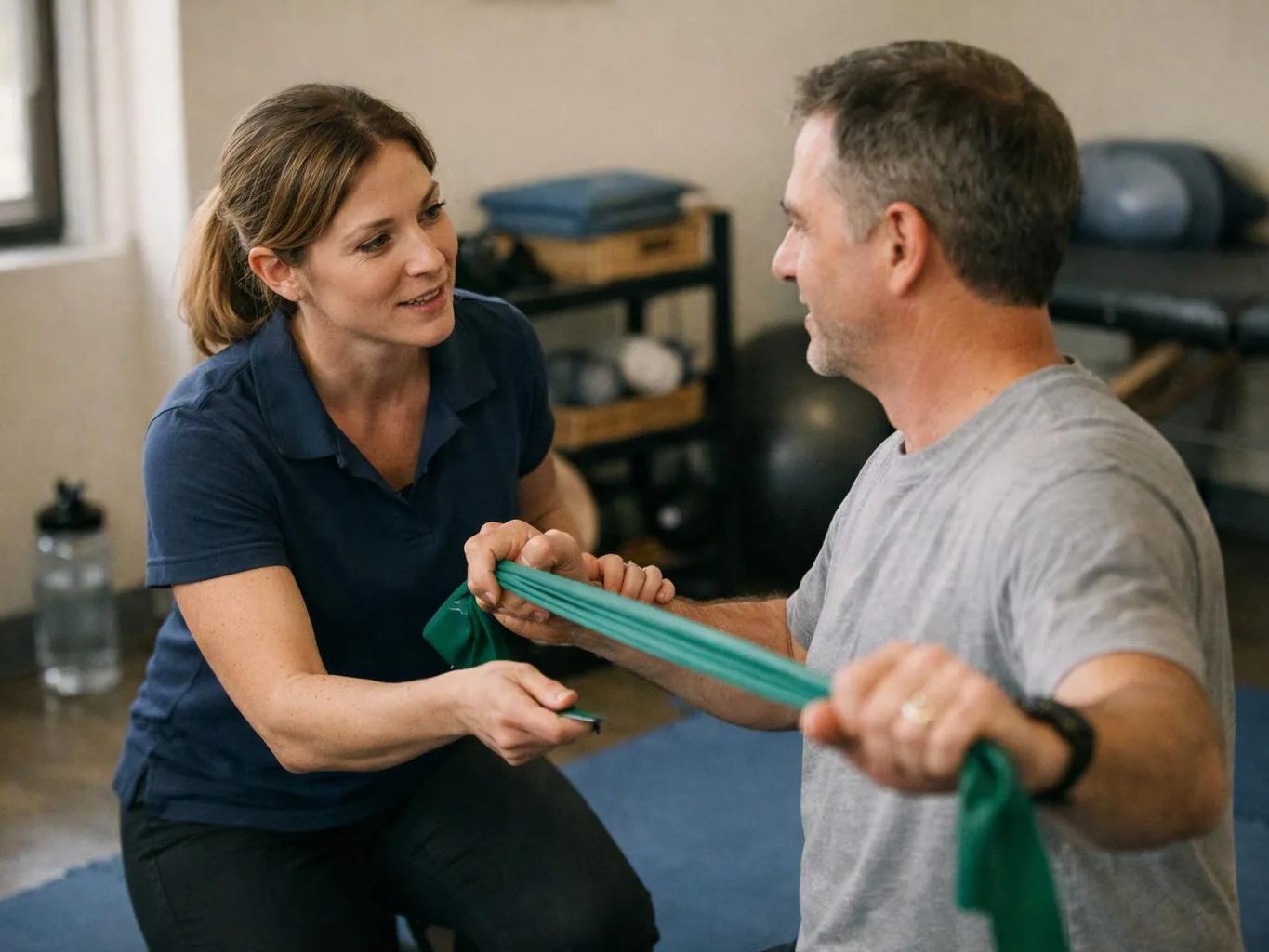
Add movement support

The plan may include spinal adjustments, posture guidance, or therapeutic exercises to support mobility beyond the treatment room.

6

Review your care plan

We discuss follow-up care and adjust the plan as your symptoms, movement, and goals change.

How We Approach Trigger Point Care

Assessment before hands-on care

We review your health history, symptoms, movement, and tender areas before choosing a technique. This helps us decide whether focused soft tissue care fits the problem.

Plain explanations of findings

Our care includes clear diagnosis and treatment explanations. You can ask what the painful area may mean and how each part of the plan supports movement.

A licensed chiropractor leads care

Licensed chiropractor credentials are prominently displayed at the clinic. The plan may combine soft tissue therapy with spinal adjustments or therapeutic exercises when the evaluation supports those options.

Know when another service fits

This service may be the wrong choice when pain does not match a muscle-based pattern or when symptoms call for another medical assessment. We discuss that limit during the evaluation.

What Your Trigger Point Care Includes

Advanced Injury Care Clinic provides comprehensive Trigger Point Therapy in Belle Meade. Here's what you get:

  • We begin with an individualized evaluation and health history.
  • We check tender muscle bands, movement limits, and the pattern of referred pain.
  • We explain the findings in clear language before care begins.
  • We provide focused soft tissue therapy when it fits the assessment.
  • We may add spinal adjustments, posture guidance, or therapeutic exercises.
  • We support follow-up care based on your symptoms and movement goals.

What Focused Muscle Care May Change

Focused soft tissue care may help reduce muscle tightness and support easier movement.

A pain-pattern review helps you understand why discomfort may appear away from the tender area.

An individualized plan connects hands-on care with exercises and posture guidance.

Clear explanations help you make informed choices about continued care.

Regular maintenance may support mobility when it fits your ongoing goals.

How Care Options Address Muscle-Related Pain

These options address different findings, so the evaluation guides which approach fits.

Care optionMain focusWhen it may fit
Soft tissue therapyMuscle tension and tender bandsWhen the exam supports a muscle-based source
Spinal adjustmentsJoint movement and spinal functionWhen the evaluation identifies a related joint concern
Therapeutic exercisesMovement control, posture, and strengthWhen active support is needed between visits

The Advanced Injury Care Clinic Standard

  • Assess Patient Condition
  • Tailored Care Plans
  • Clear Treatment Explanations
  • Monitor Patient Progress

Questions About Focused Muscle Treatment

What should be ready before care starts?

Your health history, symptom notes, and main movement concerns should be ready before care starts. Bring information about past injuries, current treatments, and activities that increase discomfort. A short note about where pain begins and where it travels can help. Our new patient intake adds those details to the clinical exam.

Which condition changes the time needed for treatment?

The number of painful areas and the complexity of the movement pattern can change the time needed for care. A focused concern may need a different assessment from symptoms involving the neck, shoulder, and back. We review the health history and exam findings first. Your care plan follows that assessment.

What should I ask before agreeing to this treatment?

Ask which findings link the painful muscle band to your symptoms and what other care options fit the exam. You can also ask how exercises, posture guidance, or spinal adjustments relate to the plan. Clear answers should connect each treatment to a stated goal. Our team explains the diagnosis and next steps before care begins.

When is soft tissue care a poor fit?

Soft tissue care is a poor fit when the symptoms do not match a muscle-based pattern or need another medical assessment. Severe, changing, or unexplained symptoms deserve careful review before hands-on treatment. We discuss the health history and exam findings first. That process helps determine whether this approach belongs in your plan.

Can this care help after an auto accident?

This care may support muscle pain after an auto accident when the evaluation identifies tender bands or restricted movement. Whiplash, neck pain, headaches, and back pain can involve more than one tissue or joint. We review the injury history and perform an individualized exam. The care plan may include soft tissue therapy and rehabilitation support.

Does a treatment plan include exercises?

Therapeutic exercises may be included when movement, posture, or muscle control needs added support. The exercises depend on the evaluation and your stated goals. We explain how each activity fits the plan and how to perform it safely. Exercise guidance may accompany soft tissue therapy or spinal care.
Contact

Discuss Trigger Point Therapy in Belle Meade

Book a free consultation with Advanced Injury Care Clinic to discuss referred muscle pain, tender bands, and the movement concerns affecting your daily life.

Folded beige towels rest on a cushion beside a dark leather sofa and wooden tray

The health and wellness information on this website is for general informational purposes only and is not medical advice. It does not create a provider-patient relationship. Always consult a qualified licensed provider in Hermitage, Tennessee, United States about your specific condition before making care decisions. Individual results vary.

(615) 265-0412