Glossary

What is Chiropractic BioPhysics?

Chiropractic BioPhysics is a chiropractic technique that combines biology, physics. And geometry to analyze and correct spinal alignment. It uses precise measurements, X-rays. And individualized treatment plans to improve posture, reduce pain. And restore spinal health over time. The method focuses on long-term structural changes rather than temporary relief.

Reviewed by Advanced Injury Care ClinicSources reviewed: Chiropractic BioPhysics Official Website, Journal of Chiropractic Medicine

Quick Facts About Chiropractic BioPhysics

Category

Chiropractic technique

Used for

Spinal misalignment, posture correction, chronic pain

Common confusion

Often mistaken for general chiropractic adjustments without measurement

Also called

CBP

Often discussed with

Back Pain Treatment, Work Injury Treatment

Key Takeaways About Chiropractic BioPhysics

Understanding Chiropractic BioPhysics
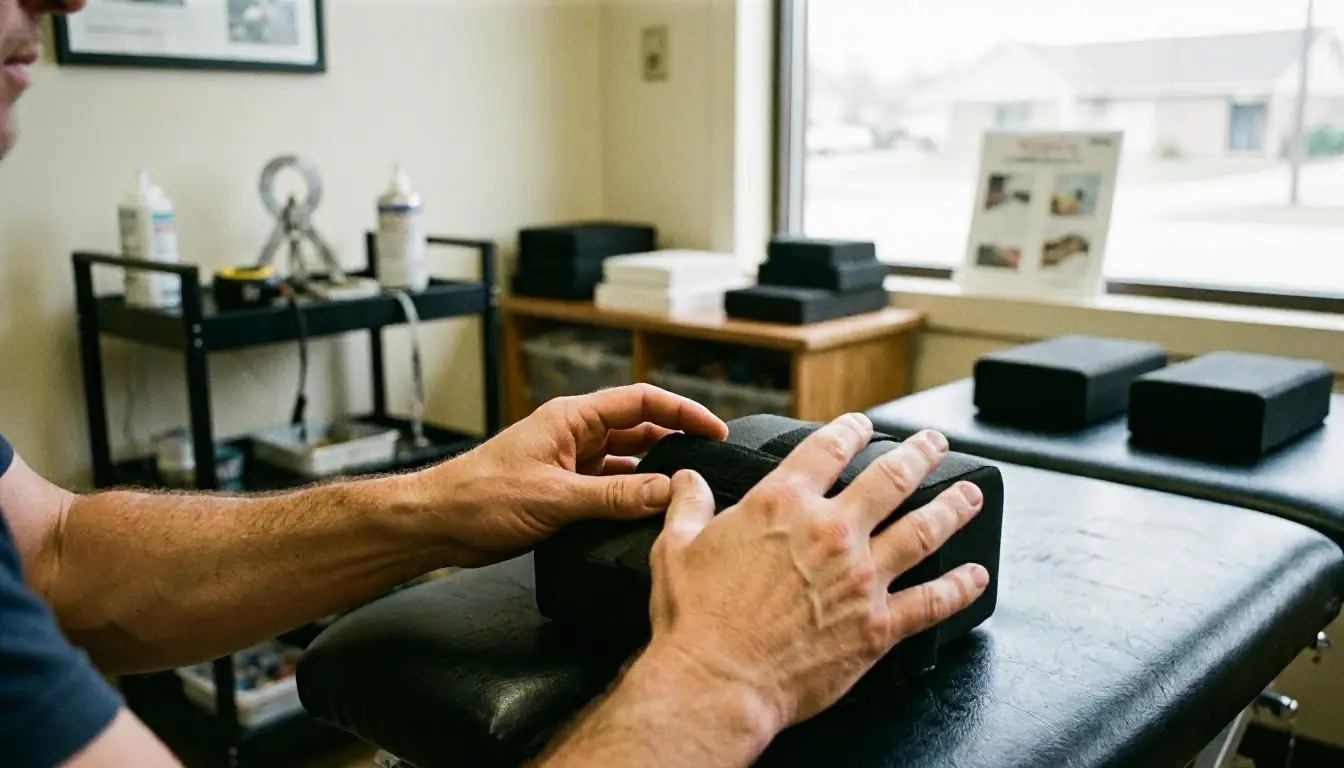
Chiropractic BioPhysics in Chiropractor—Hermitage

Chiropractic BioPhysics, often called CBP, is a specialized approach within chiropractic care that applies principles of biology, physics. And geometry to evaluate and treat spinal problems. Unlike traditional chiropractic methods that focus mainly on relieving pain through manual adjustments, CBP uses detailed measurements and scientific analysis to identify structural issues in the spine. This includes assessing spinal curves, posture. And alignment using tools like X-rays and computerized posture exams.

Related glossary terms: Chiropractic Adjustment, Spinal Manipulation, Scoliosis.

The goal of Chiropractic BioPhysics is to restore the spine to its natural, healthy shape. A healthy spine has specific curves that help distribute weight evenly, protect nerves. And allow smooth movement. When these curves are lost or altered—due to injury, poor posture. Or aging—it can lead to chronic pain, stiffness. And reduced mobility. CBP practitioners believe that correcting these structural problems can improve overall health and prevent future issues.

How Chiropractic BioPhysics Works?

Chiropractic BioPhysics begins with a thorough evaluation of the patient’s spine and posture. This typically includes taking full-spine X-rays to measure the angles and alignment of the vertebrae. The X-rays help the chiropractor identify deviations from the ideal spinal curves, such as a flattened lower back or an excessive forward curve in the neck. Computerized posture analysis may also be used to track how the head, shoulders. And hips align when standing.

Based on these measurements, the chiropractor creates a customized treatment plan. This plan often combines spinal adjustments, traction. And exercises designed to gradually reshape the spine. For example, if the lower back has lost its natural curve, the chiropractor might use a special table to apply gentle traction forces that help restore the curve over time. Patients are usually given specific exercises to do at home to support the changes made during treatment.

In practice, Treatment with Chiropractic BioPhysics is typically more structured and longer-term than traditional chiropractic care. Because the goal is to make lasting structural changes, patients usually attend multiple sessions over weeks or months. Progress is tracked with follow-up X-rays and posture exams to ensure the spine is moving toward the ideal alignment.

Why Chiropractic BioPhysics Matters?

Chiropractic BioPhysics matters because it addresses the root cause of spinal problems rather than just masking symptoms. Many people with chronic back or neck pain have underlying structural issues that contribute to their discomfort. For example, a person with a forward-head posture may experience frequent headaches, shoulder tension. Or fatigue because their muscles have to work harder to keep their head upright. By correcting the posture and spinal alignment, CBP can reduce strain on muscles and nerves, leading to lasting pain relief.

Another key benefit of Chiropractic BioPhysics is its focus on prevention. When the spine is properly aligned, it functions more efficiently, reducing the risk of wear and tear on joints and discs. This can help prevent conditions like herniated discs, sciatica. And degenerative arthritis. And improved posture can boost breathing, digestion. And even mood, as the nervous system functions more optimally when the spine is in its ideal position.

When Chiropractic BioPhysics Matters Most?

Chiropractic BioPhysics is most beneficial for individuals with chronic spinal issues that haven’t responded well to traditional chiropractic care or other treatments. This includes people with long-standing back or neck pain, poor posture. Or conditions like scoliosis, where the spine has an abnormal curve. It’s also useful for those recovering from injuries, such as car accidents or sports injuries, where the spine may have been forced out of alignment.

This technique is particularly valuable for patients who want a structured, evidence-based approach to spinal correction. Because it relies on precise measurements and regular progress checks, it appeals to those who prefer a clear plan with measurable outcomes. But it may not be the best fit for someone looking for quick, temporary relief, as the process requires commitment to multiple sessions and at-home exercises.

In Hermitage, TN, Chiropractic BioPhysics is used by chiropractors to help patients with a variety of spinal conditions, including those caused by car accidents, work injuries. Or everyday wear and tear. The method’s focus on long-term correction makes it a popular choice for individuals seeking lasting improvements in their spinal health.

How to Evaluate Chiropractic BioPhysics?

Related Concepts Compared

Chiropractic BioPhysics vs. Traditional chiropractic adjustments

Traditional chiropractic focuses on quick pain relief through manual adjustments. While Chiropractic BioPhysics uses measurements and long-term plans to correct spinal structure.

Chiropractic BioPhysics vs. Physical therapy

Physical therapy often focuses on strengthening muscles and improving movement. While Chiropractic BioPhysics specifically targets spinal alignment and posture.

Expert Note

Chiropractic BioPhysics is unique because it treats the spine as a structural system, much like an orthodontist treats teeth. Small corrections over time can lead to significant improvements in posture, pain levels. And overall function.

Common Mistakes or Myths About Chiropractic BioPhysics

  • Assuming Chiropractic BioPhysics is the same as regular chiropractic adjustments without measurements.
  • Expecting immediate pain relief instead of long-term structural changes.
  • Skipping at-home exercises, which are essential for progress.
  • Choosing a chiropractor who doesn’t use X-rays or posture analysis for this technique.

Chiropractic BioPhysics in Practice: A Real-World Example

A patient with chronic lower back pain visits a chiropractor trained in Chiropractic BioPhysics. After taking X-rays, the chiropractor finds that the patient’s lower back has lost its natural curve. The treatment plan includes spinal adjustments, traction. And exercises to gradually restore the curve. After several months, the patient’s pain decreases. And follow-up X-rays show improved alignment.

Sources & Further Reading on Chiropractic BioPhysics

Related Services

Related Terms

Chiropractic Adjustment

Chiropractic Adjustment is a precise manual procedure where a licensed chiropractor applies controlled force to a joint in the spine or other body part. The goal is to improve alignment, reduce pain. And restore normal movement. Adjustments are often performed using hands or specialized instruments and are tailored to each patient’s condition.

Spinal Manipulation

Spinal Manipulation is a hands-on treatment technique used by chiropractors and other trained healthcare providers to apply controlled force to a joint in the spine. This force helps improve spinal motion, reduce pain. And restore function by addressing stiffness, misalignments. Or nerve irritation. The procedure often produces a popping sound caused by gas releasing from the joint.

Scoliosis

Scoliosis is a sideways curvature of the spine that often appears during the growth spurt just before puberty. Scoliosis can occur due to muscular dystrophy, cerebral palsy. Or birth defects. But the most common type has no known cause. Mild curves may not need treatment. While severe cases can affect breathing and movement.

Disc Herniation

Disc herniation is a spinal condition where the soft, gel-like center of a spinal disc pushes through a tear in its tougher outer layer. This can press on nearby nerves, causing pain, numbness. Or weakness in the back, arms. Or legs. Disc herniation often occurs in the lower back or neck and is commonly linked to aging, injury. Or strain.

Decompression Therapy

Decompression Therapy is a non-surgical treatment designed to relieve pressure on spinal discs and nerves by gently stretching the spine. This therapy uses a motorized table or device to create negative pressure within the disc, promoting retraction of herniated or bulging discs and improving nutrient flow to affected areas. It's commonly used for back pain, sciatica. And disc-related conditions.

Advanced Injury Care Clinic

Have Questions About Chiropractic BioPhysics?

Contact Advanced Injury Care Clinic for practical guidance on Chiropractic BioPhysics and related chiropractor work in Hermitage.

+1 615-777-0624