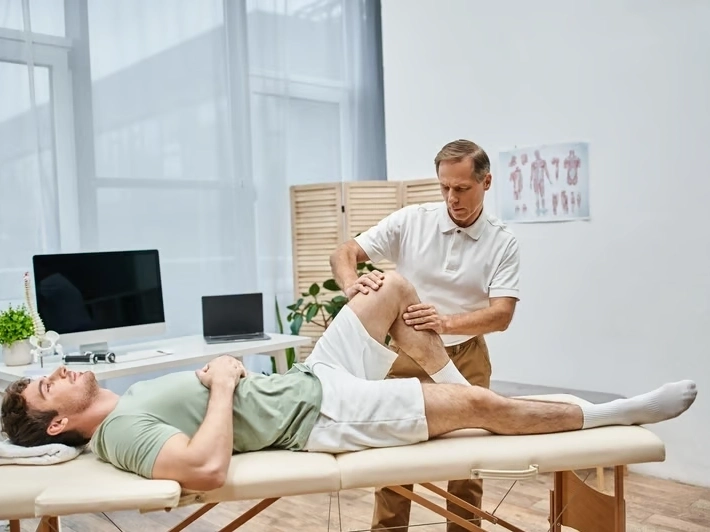
Spinal Decompression is a non-surgical treatment designed to relieve pressure on the spine and spinal nerves. It involves gently stretching the spine using a motorized table or traction device. This process helps create space between vertebrae, allowing herniated or bulging discs to retract and promoting healing by improving blood flow and nutrient exchange.
Category
Non-surgical spinal therapy
Used for
Back pain, sciatica, herniated discs, nerve compression
Common confusion
Often confused with surgical decompression or general traction
Also called
Non-surgical Spinal Decompression, Decompression Therapy
Often discussed with
Back Pain Treatment, Personal Injury Chiropractic Care

Spinal Decompression helps take pressure off your spine. It also helps the nerves that run through it.
Related glossary terms: Decompression Therapy, Herniated Disc, Chiropractic Care.
The spine has bones called vertebrae. It has discs and nerves too. These parts can get squeezed from injury or bad posture.
When discs bulge, they press on nerves. This can cause pain, numbness. Or weakness. You might feel it in your back, legs. Or arms.
Spinal Decompression gently stretches the spine. This creates space in the discs. It helps pull back bulging parts and eases nerve pressure.
This treatment doesn't need surgery or medicine. It uses a special table or device. The table pulls your spine in a safe way.
The goal is to make room between your bones. This lets oxygen, water. And food reach the discs. Your body can heal better this way.
Over time, this can ease your symptoms. Spinal Decompression helps with herniated discs. It also helps with sciatica and long-term back pain.
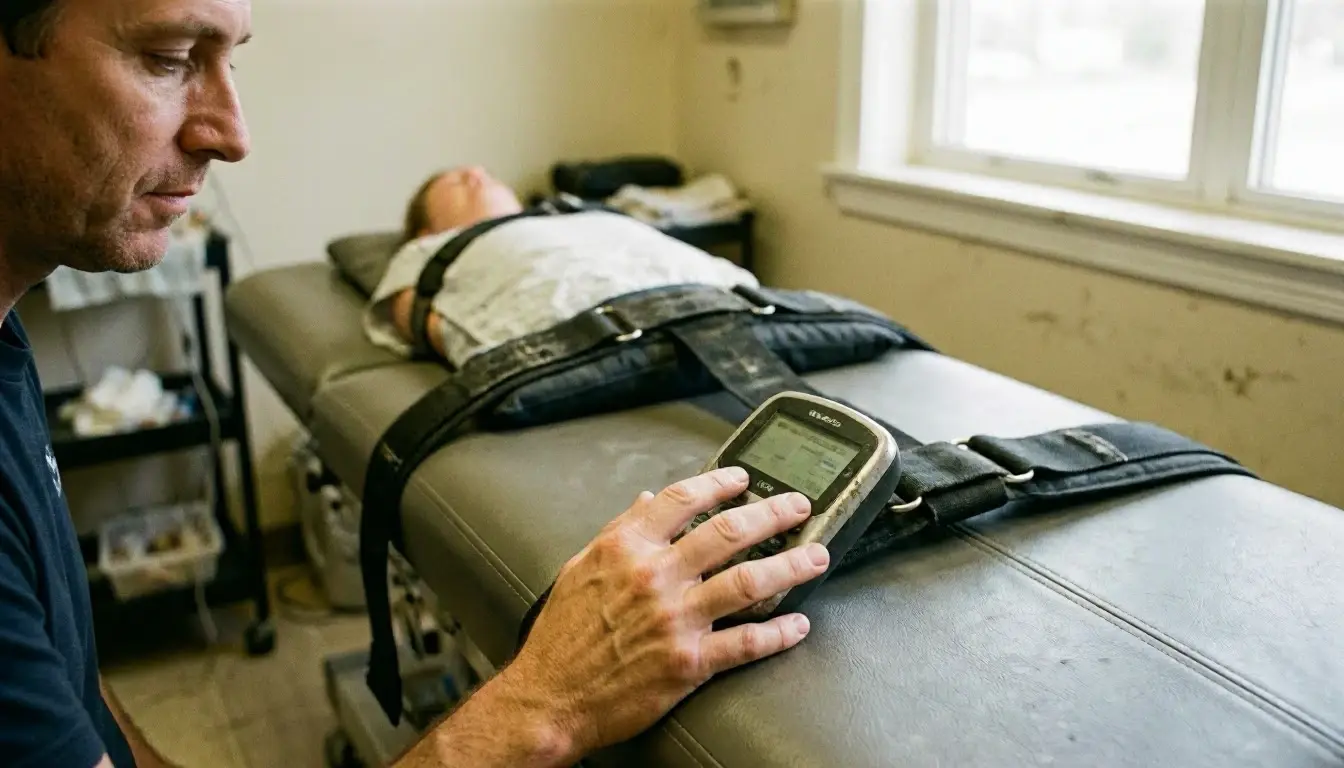
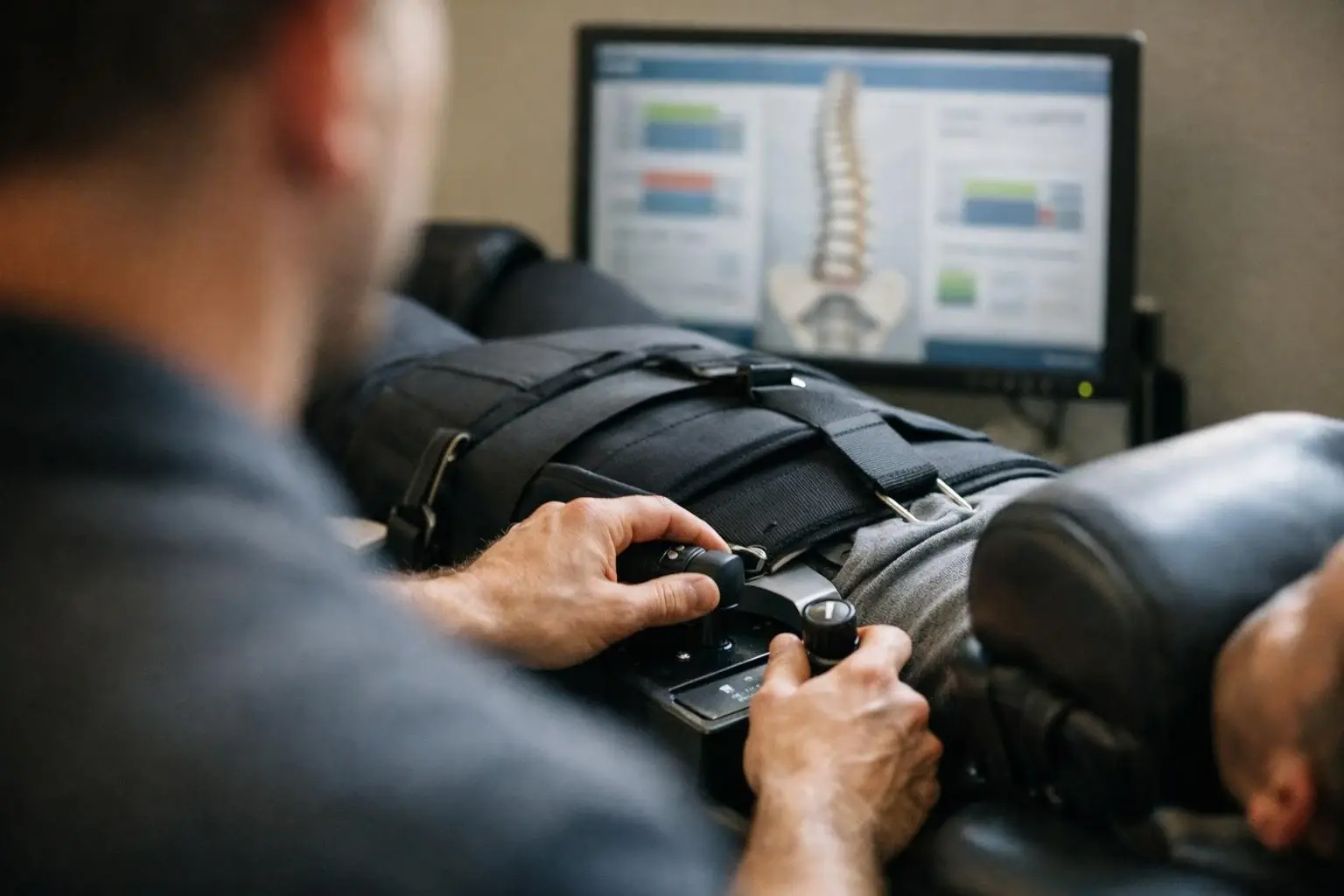
A machine pulls your spine in a gentle way. You lie on a table. The table is set just for you.
The table pulls, then rests. This creates a pumping action. It helps bring food and water to your discs.
It also eases pressure on nerves. This can stop pain. It can help you move better too.
Each session lasts 20 to 45 minutes. It depends on your pain and how you feel. You stay fully dressed.
Straps go around your hips and chest. The table's computer keeps you safe. It makes sure the pull is just right.
Most people feel a gentle stretch. You shouldn't feel pain. You'll need many sessions for best results.
Other treatments may be used too. These include chiropractic care or physical therapy.
Spinal Decompression works if you feel better. You may hurt less and move easier. Your comfort should improve.
Doctors can see changes with MRI scans. These show if discs are better. But feeling better is what matters most.
Spinal Decompression helps people with bad back pain. It's a choice that doesn't need surgery. Many with sciatica or disc problems have few options.
Medicine can ease pain for a short time. But it doesn't fix the real problem. Surgery works for some. But it has risks.
Surgery takes a long time to heal. Spinal Decompression is safe. It helps your body heal without cuts.
This treatment helps your body heal itself. It makes space between your bones. This eases pressure on nerves.
Your spine can line up better. This can cut swelling. It can help you move better too.
It can also lower the chance of more injuries. For people with long-term pain, this can be a big help. They can get back to normal life with less pain.
Spinal Decompression helps those who tried other treatments. Rest, therapy. Or medicine didn't help them. It's good for people with herniated or bulging discs.
It also helps with sciatica or worn-out discs. If nerves are squeezed, you may feel pain or numbness. This can happen in your arms or legs.
Doctors often suggest this when other treatments fail. But you don't need surgery yet.
This treatment avoids surgery risks. It also avoids long recovery times. Many people with mild or medium spine problems can use it.
But it's not for everyone. People with very weak bones or spine breaks shouldn't use it. Those with tumors or some illnesses shouldn't either.
A doctor can say if it's safe for you. They'll look at your health and history.
In Hermitage, TN, many people have back pain. Some have disc problems. Many stay active and work hard.
Injuries or wear can make it hard to move. Spinal Decompression can help. It's a safe way to ease pain and keep your spine healthy.
Traction Therapy involves pulling or stretching the spine but is often less precise than Spinal Decompression. Spinal Decompression uses computer-controlled tables to target specific areas of the spine. While traction may apply a more general force.
Surgical Decompression involves removing bone or disc material to relieve pressure on nerves. Spinal Decompression is non-surgical and uses traction to achieve similar goals without incisions or recovery time.
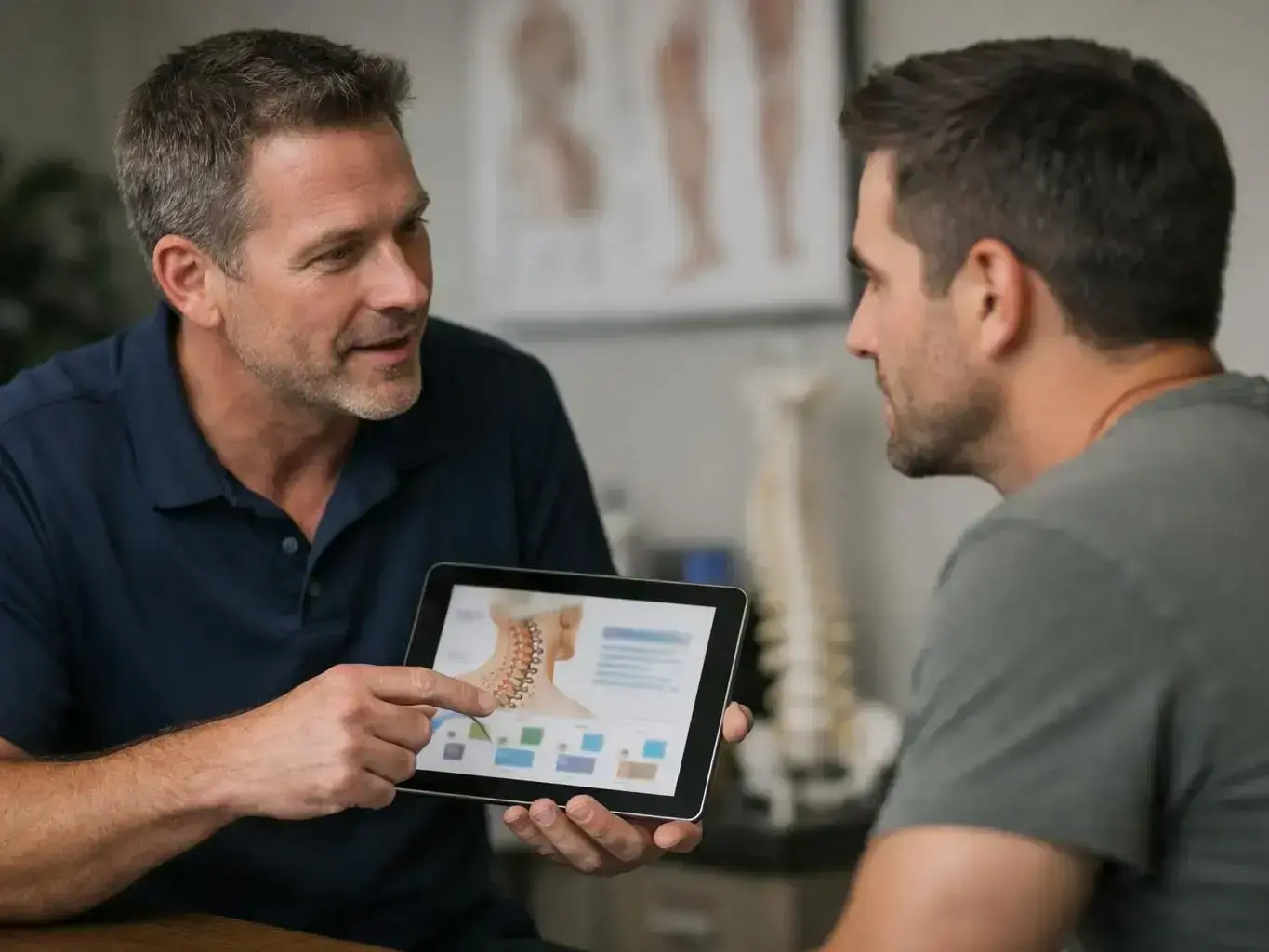
Spinal Decompression is most effective when tailored to the patient’s specific condition. A thorough evaluation, including imaging and physical exams, ensures the treatment targets the right areas. Combining it with other therapies, like chiropractic adjustments or strengthening exercises, can enhance results and support long-term spinal health.
A 45-year-old office worker in Hermitage, TN, developed chronic lower back pain after sitting for long hours. An MRI revealed a herniated disc pressing on a nerve. After trying physical therapy and pain medications without relief, they began Spinal Decompression sessions. Over six weeks, their pain decreased. And they regained the ability to stand and walk without discomfort.
Decompression Therapy is a non-surgical treatment designed to relieve pressure on spinal discs and nerves by gently stretching the spine. This therapy uses a motorized table or device to create negative pressure within the disc, promoting retraction of herniated or bulging discs and improving nutrient flow to affected areas. It's commonly used for back pain, sciatica. And disc-related conditions.
Herniated Disc is a spinal condition where the soft, gel-like center of a spinal disc pushes through a tear in the disc’s tough outer layer. This can irritate nearby nerves, causing pain, numbness. Or weakness in the back, legs. Or arms. Herniated discs often occur in the lower back or neck and may result from aging, injury.
Chiropractic Care is a health profession focused on diagnosing, treating. And preventing mechanical disorders of the musculoskeletal system, especially the spine. Chiropractic Care uses hands-on spinal manipulation and other alternative treatments to enable the body to heal itself without surgery or medication. The practice emphasizes the relationship between the spine and nervous system and its impact on overall health.
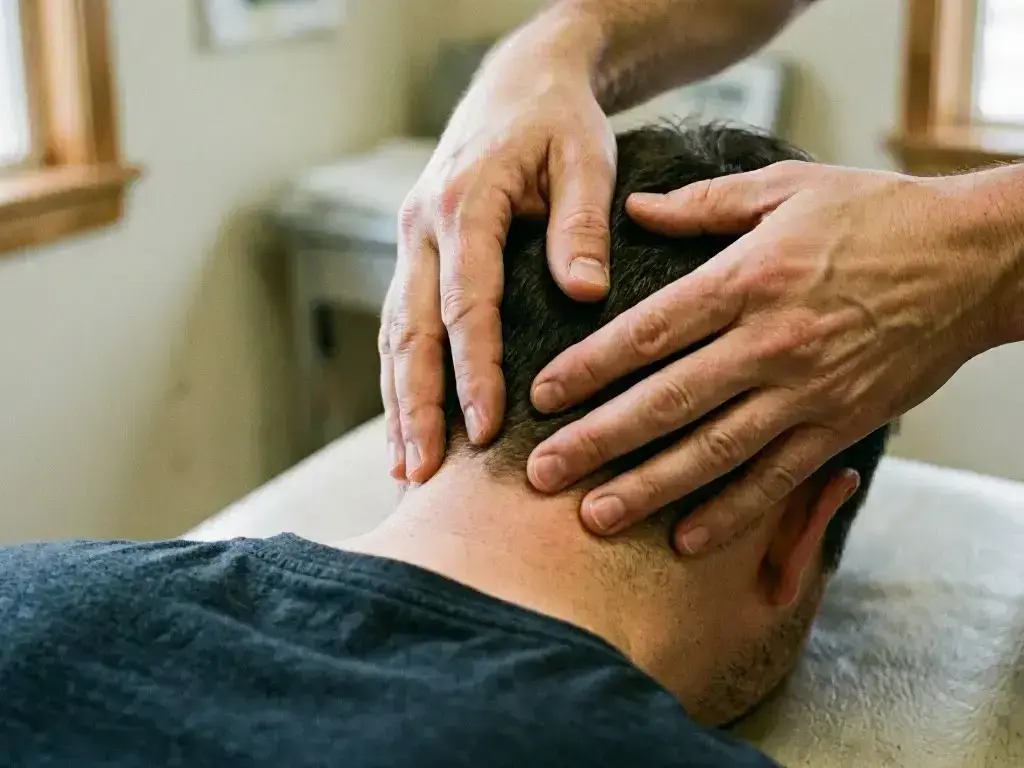
Spinal Manipulation is a hands-on treatment technique used by chiropractors and other trained healthcare providers to apply controlled force to a joint in the spine. This force helps improve spinal motion, reduce pain. And restore function by addressing stiffness, misalignments. Or nerve irritation. The procedure often produces a popping sound caused by gas releasing from the joint.
Advanced Injury Care Clinic
Contact Advanced Injury Care Clinic for practical guidance on Spinal Decompression and related chiropractor work in Hermitage.