Glossary

What is Thoracic spine?

Thoracic spine is the middle section of the human spine, located between the cervical spine (neck) and lumbar spine (lower back). It consists of 12 vertebrae labeled T1 to T12, which connect to the rib cage, providing stability and protecting vital organs like the heart and lungs.

Reviewed by ChiropractorHermitage.link

Quick Facts About Thoracic spine

Category

Spinal anatomy

Used for

Upper body support and organ protection

Common confusion

Often mistaken for lumbar or cervical spine issues

Also called

Mid-back spine, Thoracic vertebrae

Often discussed with

Back Pain Treatment, Work Injury Treatment

Key Takeaways About Thoracic spine

Understanding Thoracic spine

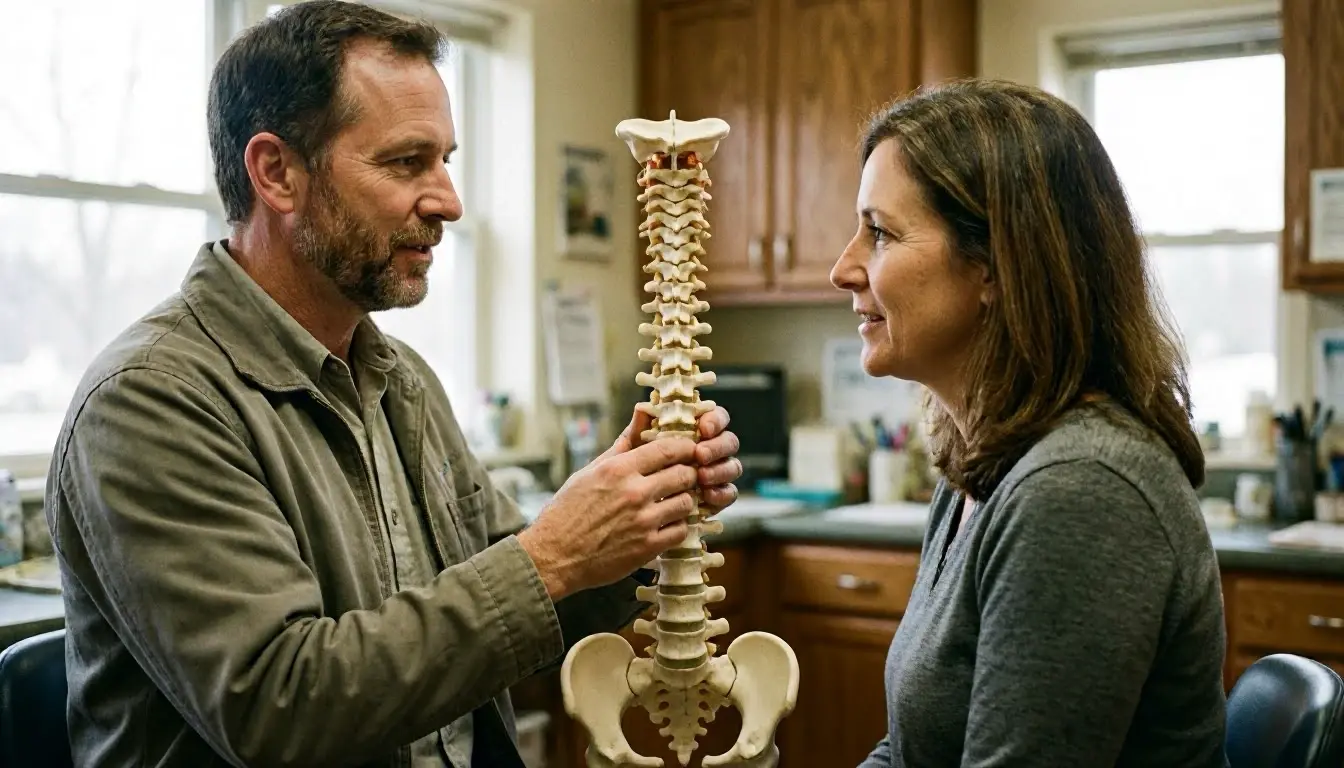
Thoracic spine in Chiropractor: Thoracic spine is the middle section of the human spine, located between—visual guide

The thoracic spine is part of your spine. It sits in the middle of your back.

Related glossary terms: Cervical spine, Lumbar spine, Scoliosis.

It is between your neck and lower back. It has 12 bones called vertebrae.

Each bone connects to a pair of ribs. This makes your rib cage.

The rib cage protects your heart and lungs. It also protects big blood vessels.

This part of the spine does not bend much. But it holds your upper body steady.

It helps your rib cage stay strong. So it does not have the same problems as your neck.

It also does not have the same problems as your lower back. But it can still get hurt.

Bad posture can cause problems. So can muscle strain or accidents.

Some health issues can hurt this area too. These include scoliosis (curved spine).

They also include herniated discs (bulging spine cushions). Or osteoarthritis (joint wear).

These can cause pain or make it hard to move. Knowing how this spine part works helps.

It helps you spot problems. Then you can get the right care.

How the Thoracic Spine Works?

The thoracic spine holds up your rib cage. It also holds up the top half of your body.

Each bone in this part has ribs attached. This protects your organs inside.

It also lets you move a little. The joints between ribs and spine help.

These joints are called costovertebral joints. They let you twist and bend.

This helps you breathe, turn. Or reach. Your spine has natural curves too.

The thoracic spine has a gentle curve. This helps spread weight evenly.

It also helps absorb shock when you move.

Nerves from this spine part control muscles. They control muscles in your chest and back.

They also control muscles in your belly. These nerves send feelings to your brain.

They tell your brain about pain or heat. If the spine is out of place, it can squeeze nerves.

This can cause pain or tingling. It can also make muscles weak.

Chiropractic adjustments can help. So can physical therapy and exercises.

These can fix the spine and help it work right.

Why the Thoracic Spine Matters?

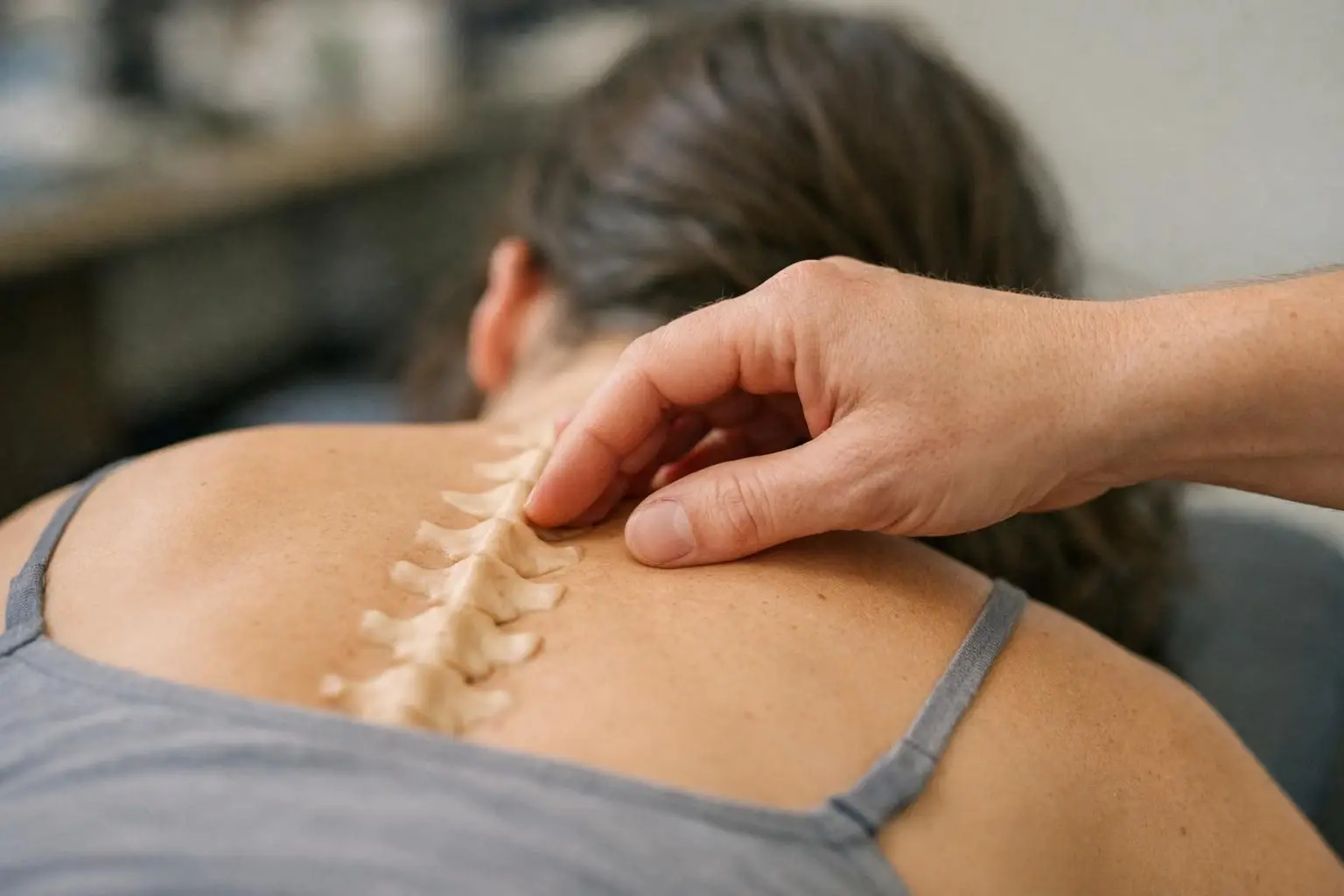
How Thoracic spine applies to Chiropractor services in Hermitage, United States—practical illustration

The thoracic spine keeps your spine healthy. It also protects important organs.

It holds up the top half of your body. This lets you move safely.

If this spine gets hurt, it can cause big problems. It can cause long-term pain.

It can make it hard to move. It can even make breathing harder.

Too much rounding is called hyperkyphosis. This can hurt for a long time.

It can also raise the risk of broken bones. This is especially true for older people.

This spine also connects to your nerves. So problems here can affect more than your back.

Nerves squeezed here can cause pain. The pain can be in your chest, belly. Or arms.

This pain can feel like heart or stomach problems. Chiropractic care can help.

So can stretching and exercises. These can fix your posture and ease pain.

They can also help you feel better overall.

When Thoracic Spine Issues Matter Most?

Problems in this spine show up when you twist or lift. They also show up when you sit too long.

People who sit at desks a lot may get stiff. They may also get pain in the upper back.

This happens because of bad posture. Athletes can have problems too.

Sports like golf or tennis need lots of twisting. This can strain the spine over time.

Car accidents, falls. Or heavy lifting can hurt it too. These can cause sudden or long-term pain.

Some health issues make this spine weaker. These include scoliosis (curved spine).

They also include osteoporosis (weak bones). Or arthritis (joint swelling).

Early signs include back pain that won't go away. You may also have trouble moving.

You may feel numb in your chest or arms. If you ignore these signs, things can get worse.

You could get herniated discs (bulging spine cushions). Or nerve damage.

Regular chiropractic visits can help. So can ergonomic (work-friendly) changes.

Exercises can help too. These can stop problems before they get bad.

How to Evaluate Thoracic spine?

Related Concepts Compared

Thoracic spine vs. Cervical spine

The cervical spine is the neck region with 7 vertebrae. While the thoracic spine is the mid-back with 12 vertebrae and rib attachments.

Thoracic spine vs. Lumbar spine

The lumbar spine is the lower back with 5 vertebrae, designed for weight-bearing. While the thoracic spine supports the rib cage.

Expert Note

The thoracic spine is often overlooked in spinal health discussions. Yet its role in protecting organs and supporting posture is vital. Gentle chiropractic adjustments can help maintain mobility and prevent long-term issues like hyperkyphosis or nerve compression.

Common Mistakes or Myths About Thoracic spine

  • Assuming thoracic spine pain is always muscle-related and ignoring potential nerve or joint issues.
  • Confusing thoracic spine problems with heart or lung conditions due to chest pain or breathing difficulties.
  • Overlooking poor posture as a cause of chronic upper back pain or stiffness.
  • Ignoring early symptoms, which can lead to worsening conditions like herniated discs or scoliosis.

Thoracic spine in Practice: A Real-World Example

A desk worker experiences chronic upper back pain after months of slouching. A chiropractor identifies thoracic spine misalignment and recommends ergonomic adjustments and targeted stretches. Over time, the worker’s posture improves.

Related Services

Related Terms

Cervical spine

Cervical spine is the uppermost part of the spinal column, consisting of seven vertebrae labeled C1 through C7. These bones support the skull, protect the spinal cord. And allow head movement. The cervical spine enables flexibility, balance.

Lumbar spine

Lumbar spine is the lower part of the spine, made up of five large vertebrae labeled L1 to L5. These bones support most of the body’s weight and allow movements like bending, lifting. And twisting. The lumbar spine connects the upper body to the pelvis and legs, making it essential for daily activities and mobility.

Scoliosis

Scoliosis is a sideways curvature of the spine that often occurs during the growth spurt just before puberty. While most cases are mild, some curves worsen as children grow, leading to potential complications like back pain, breathing difficulties. Or visible deformities. Scoliosis can also develop in adults due to aging or conditions like osteoporosis.

Spinal decompression

Spinal decompression is a non-surgical treatment designed to relieve pressure on the spinal discs and nerves. It involves gently stretching the spine using a motorized table or device to create negative pressure within the discs, which can help herniated or bulging discs retract and promote healing by allowing oxygen, water.

Chiropractic adjustment

Chiropractic adjustment is a hands-on procedure chiropractors use to apply controlled force to a specific joint, usually in the spine. The goal is to improve spinal motion, ease nerve irritation. And help the body function better. Adjustments are often done with quick, gentle thrusts and may produce a popping sound as joints release gas.

ChiropractorHermitage.link

Have Questions About Thoracic spine?

Contact ChiropractorHermitage.link for practical guidance on Thoracic spine and related chiropractor work in Hermitage.

+1 615-777-0624