Understanding Chiropractic radiology
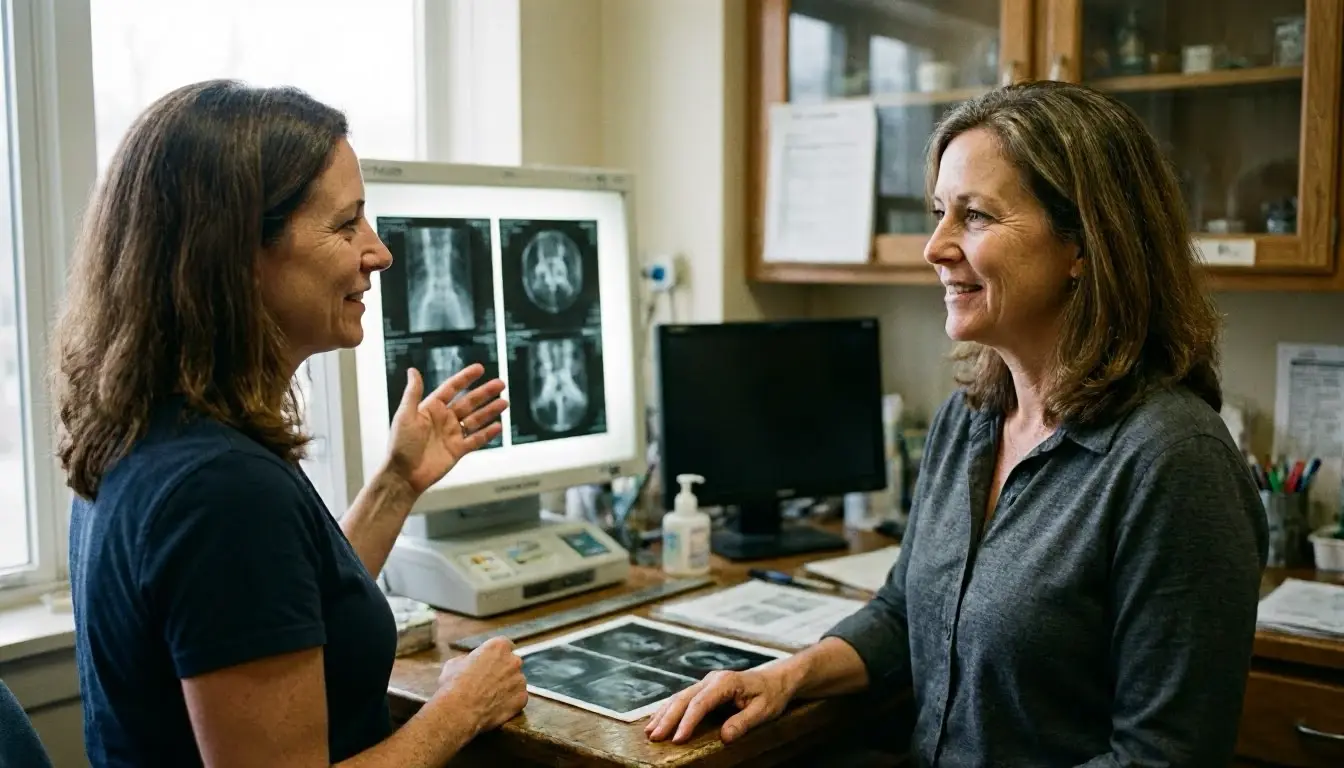
Chiropractic radiology is a branch of chiropractic care focused on using medical imaging to diagnose conditions affecting the spine, joints. And surrounding tissues. Unlike general radiology, which serves many medical fields, chiropractic radiology is custom to the needs of chiropractors and their patients. The goal is to identify structural issues, such as misalignments, fractures. Or degenerative changes, that may contribute to pain, limited mobility. Or nervous system dysfunction. Imaging techniques like X-rays, MRI scans. And CT scans provide detailed views of the body’s internal structures, allowing chiropractors to make informed decisions about treatment plans.
Related glossary terms: Chiropractic adjustment, Subluxation, Spinal stenosis.
Chiropractic radiologists are licensed chiropractors who complete additional training in radiology. They learn how to take, read. And interpret images while understanding the unique needs of chiropractic patients. This specialization ensures that imaging is used appropriately and that findings are communicated clearly to the treating chiropractor. For example, an X-ray might reveal a misaligned vertebra. While an MRI could show a herniated disc pressing on a nerve. Both pieces of information help chiropractors tailor their adjustments and therapies to address the root cause of a patient’s symptoms.
How Chiropractic radiology Works?
Chiropractic radiology follows a structured process to ensure accurate and useful imaging. First, the chiropractor evaluates the patient’s symptoms, medical history. And physical examination findings to determine if imaging is necessary. Not every patient requires imaging, as many conditions can be diagnosed and treated based on symptoms alone. But when imaging is needed, the chiropractor refers the patient to a chiropractic radiologist or an imaging facility. The radiologist then captures images using the appropriate technique, such as X-rays for bones or MRIs for soft tissues.
Once the images are taken, the chiropractic radiologist reviews them for abnormalities. They look for signs of misalignments, fractures, arthritis, disc herniations. Or other structural issues. The radiologist then writes a detailed report explaining the findings and sends it back to the treating chiropractor. This report helps the chiropractor confirm or adjust their diagnosis and develop a personalized treatment plan. For instance, if imaging reveals a spinal misalignment, the chiropractor may use gentle adjustments to realign the vertebrae. If a disc herniation is found, the chiropractor might combine adjustments with other therapies, such as spinal decompression or soft tissue work, to relieve pressure on the affected nerve.
Why Chiropractic radiology Matters?

Chiropractic radiology plays a critical role in ensuring safe and effective chiropractic care. Imaging provides objective evidence of structural issues that may not be detectable through physical examination alone. This helps chiropractors avoid guesswork and tailor treatments to address the specific needs of each patient. For example, imaging can reveal whether a patient’s back pain is caused by a misaligned vertebra, a herniated disc. Or arthritis, each of which requires a different approach to treatment. Without imaging, chiropractors might rely solely on symptoms, which can lead to less precise or even ineffective care.
And chiropractic radiology helps identify conditions that may require referral to other healthcare providers. For instance, imaging might reveal a fracture, tumor. Or severe infection that needs medical or surgical intervention. By catching these issues early, chiropractic radiology helps ensure patients receive the right care at the right time. It also protects patients by reducing the risk of unnecessary or harmful treatments. For example, if imaging shows advanced osteoporosis, the chiropractor may avoid high-velocity adjustments that could increase the risk of fracture.
When Chiropractic radiology Matters Most?
Chiropractic radiology is most important in situations where symptoms suggest a structural issue that imaging can clarify. For example, patients with persistent pain, numbness. Or weakness that doesn't improve with initial chiropractic care may benefit from imaging to identify the underlying cause. Imaging is also commonly used for patients who have experienced trauma, such as a car accident or fall, where fractures or soft tissue injuries are suspected. And chiropractors may recommend imaging for patients with chronic conditions, such as scoliosis or arthritis, to monitor progression and adjust treatment plans accordingly.
Chiropractic radiology is also valuable for patients with complex medical histories. For instance, individuals with a history of cancer, osteoporosis. Or autoimmune diseases may require imaging to rule out serious conditions before starting chiropractic treatment. Imaging can also help chiropractors determine whether a patient’s symptoms are related to a structural issue or another underlying health problem. By using imaging strategically, chiropractors can provide more accurate diagnoses, safer treatments. And better outcomes for their patients.